

Creating garden steps that are both safe and aesthetically pleasing involves careful planning, material selection, and adherence to safety standards.…
Garden Steps
Explore creative garden step ideas, materials, and design inspiration to create safe and beautiful outdoor stairs for your garden landscape.

Top 5 Garden Step Materials: Pros and Cons
Creating a functional and aesthetically pleasing garden path or set of steps enhances your outdoor space's accessibility and visual appeal.…

10 Stunning Garden Step Designs to Inspire You
Garden steps are more than just functional elements; they serve as architectural features that can transform your outdoor space. Whether…

The Complete Guide to Garden Steps: Design, Materials, and Safety
Garden steps are more than just functional elements; they are integral to the aesthetic and safety of your outdoor space.…
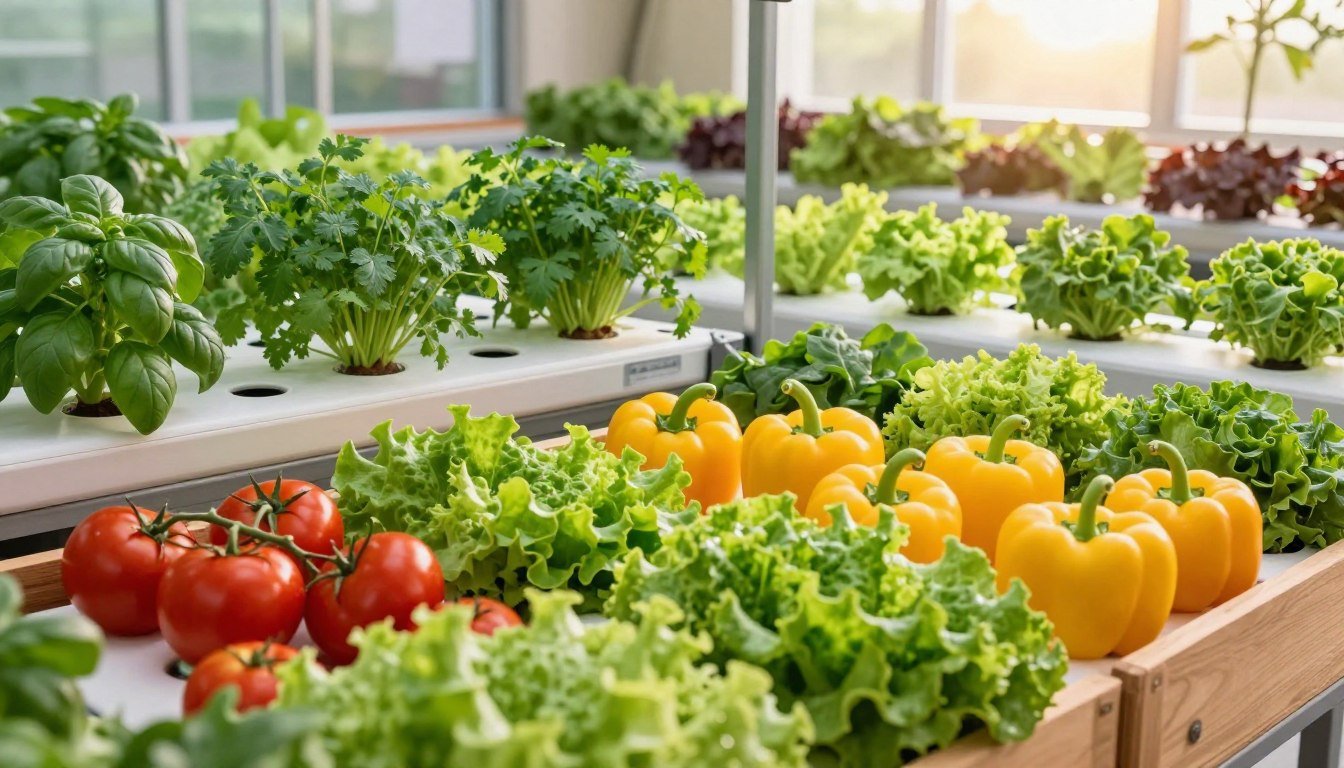
Urban Indoor Farm: Cultivate Fresh Produce at Home
Welcome to the world of indoor gardening, where you can grow fresh produce right in the comfort of your own home. This revolutionary approach to gardening allows you to cultivate a wide variety of fruits, vegetables, and herbs, regardless of the season or your location. By setting up your own urban indoor farm, you can enjoy the benefits of having fresh, healthy produce at your fingertips. In this article, we'll explore the key components and best practices for creating a thriving indoor garden, making it easy to get started, even if you're new to gardening. Why Start an Urban Indoor Farm in Your Home Starting an urban indoor farm is a step towards a healthier, more sustainable lifestyle. By cultivating your own produce, you can enjoy a multitude of benefits that enhance your overall wellbeing and contribute to a more environmentally friendly way of living. Health Benefits of Homegrown Produce Growing your own fruits and vegetables indoors means you'll have access to fresher, healthier food. Homegrown produce is rich in nutrients and free from pesticides, making it an excellent choice for those looking to improve their diet. Moreover, having a steady supply of fresh produce can encourage healthier eating habits. Cost Savings and Sustainability Urban indoor farming is not only beneficial for your health but also for your wallet and the environment. By growing your own food, you can significantly reduce your grocery bills. Additionally, indoor farming is a sustainable practice that minimizes the need for large areas of land, water, and other resources associated with traditional farming methods. Year-Round Growing Regardless of Climate One of the most significant advantages of urban indoor farming is the ability to grow produce year-round, regardless of the external climate or season. This means you can enjoy your favorite fruits and vegetables 365 days a year, without being limited by weather conditions or geographical location. Essential Components for Your Urban Indoor Farm A well-designed urban indoor farm relies on the right combination of essential components. To get started, you'll need to consider several key elements that will help your plants thrive in an indoor environment. Lighting Systems for Indoor Growing Lighting is one of the most critical components of an urban indoor farm. Without sufficient light, your plants won't be able to undergo photosynthesis, which is essential for their growth. There are several lighting options available, each with its own advantages. LED Grow Lights LED grow lights are a popular choice for indoor growing due to their energy efficiency and long lifespan. They emit a specific spectrum that promotes healthy plant growth and can be tailored to meet the needs of different crops. Fluorescent Options Fluorescent lighting, including T5 and T8 systems, is another viable option for indoor growing. These lights are often less expensive than LED grow lights and still provide a good spectrum for plant growth. Growing Mediums and Containers The growing medium and container you choose will also play a crucial role in the success of your urban indoor farm. Options include soil, coco coir, and hydroponic systems, each with its own benefits and drawbacks.…
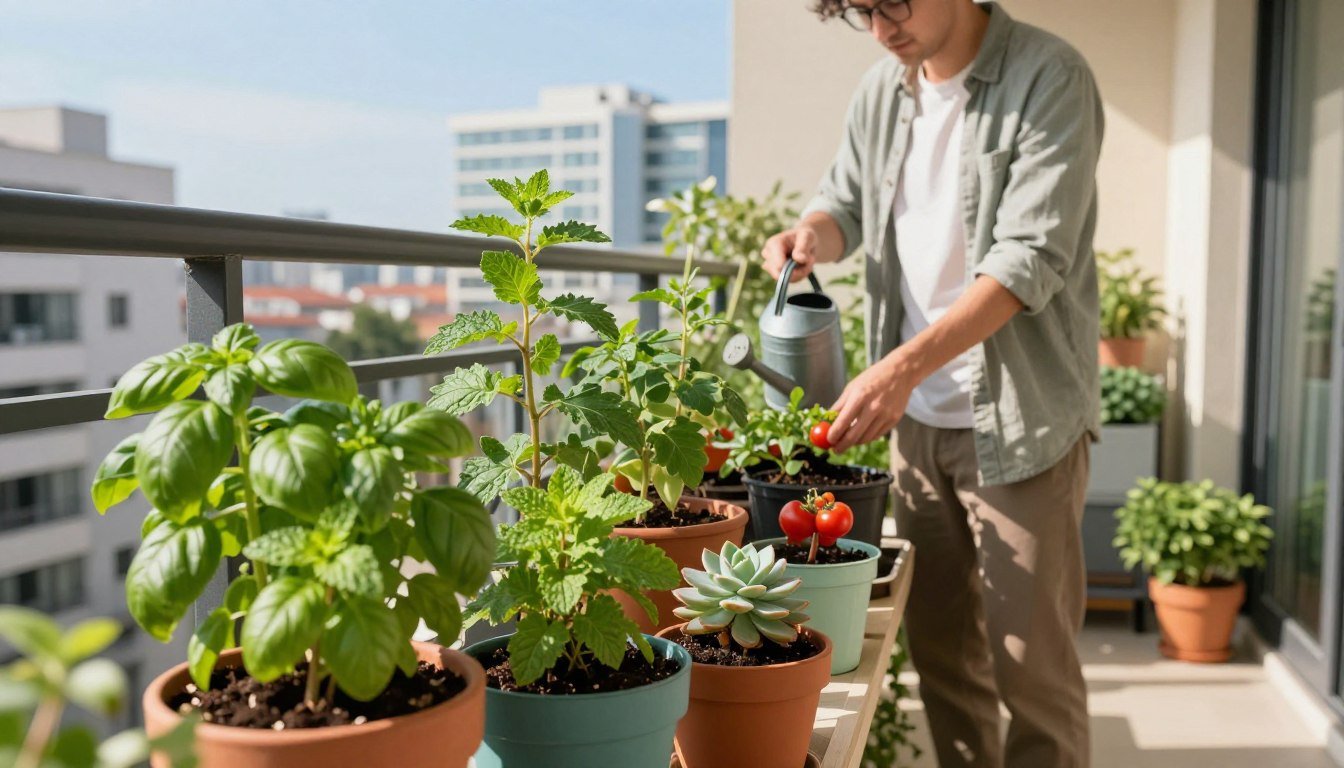
Urban Gardening 101: Get Started with These Easy Tips
Welcome to the world of city gardening, where you can turn your small space into a lush oasis. Whether you have a balcony, patio, or just a windowsill, you can grow your own herbs, vegetables, and flowers. Urban Gardening 101 in the city is not only a great way to beautify your surroundings, but it also provides numerous benefits, including fresh produce and a sense of community. With these gardening tips, you'll be well on your way to creating a thriving garden in no time. Getting started is easier than you think. You don't need a green thumb or a large yard to begin. Simply choose the right plants, provide them with the necessary care, and enjoy the fruits of your labor. 1. Why Urban Gardening 101 is Perfect for City Dwellers Urban gardening offers a multitude of benefits for city residents, from fresh produce to improved air quality. By embracing sustainable gardening practices, individuals can transform their urban spaces into thriving oases that not only beautify their surroundings but also contribute to a healthier environment. Fresh, Organic Produce at Your Fingertips One of the most significant advantages of urban agriculture is the ability to grow your own organic produce. By doing so, you have complete control over what goes into your food, ensuring it's free from harmful pesticides and chemicals. This not only enhances the flavor and nutritional value of your meals but also supports a healthier lifestyle. urban gardening benefits Improving Air Quality and Reducing Your Carbon Footprint Urban gardening plays a crucial role in improving air quality by increasing the amount of green spaces in urban areas. Plants absorb carbon dioxide and release oxygen, contributing to a cleaner environment. By adopting sustainable gardening methods, city dwellers can significantly reduce their carbon footprint and help mitigate the effects of climate change. Creating a Peaceful Green Oasis Beyond its environmental benefits, urban gardening also offers a serene escape from the hustle and bustle of city life. Creating a green oasis in your home or on your balcony can be a therapeutic experience, providing a peaceful retreat where you can relax and unwind. This aspect of urban gardening is particularly valuable for city dwellers who often face high levels of stress and limited access to natural spaces. 2. Getting Started with Urban Gardening in Limited Space Getting started with urban gardening in limited space involves evaluating your available growing areas and understanding the conditions that will affect your plants' growth. Whether you have a tiny balcony, a rooftop, or just a windowsill, you can still grow a variety of plants. Evaluating Your Available Growing Space…
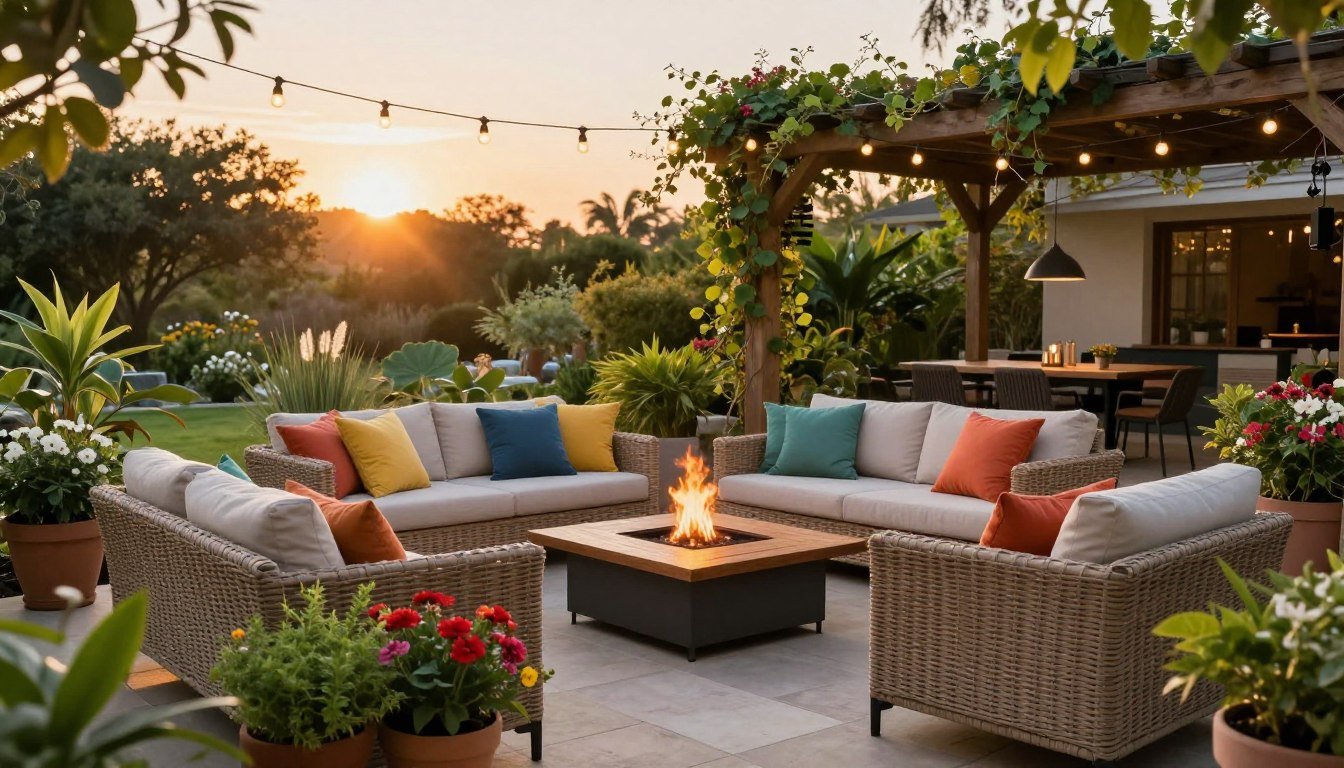
Garden Home Inspiration: Transform Your Outdoor Space in 2026
Turning your outdoor area into a stunning garden home can change your life. It's about making a space that looks great, works well, and feels welcoming. Picture yourself in a peaceful oasis, where you can unwind, host guests, and enjoy nature. By adding outdoor living spaces, you can make your backyard a reflection of your taste. With the right ideas and design, you can make your outdoor area a true part of your home. It becomes a place that shows off your style. Creating Your Garden Home Vision Turning your outdoor area into a garden home starts with a clear vision. First, you need to look at your current outdoor space. Understand what it can be and what it can't. Assessing Your Current Outdoor Space Start by checking your yard's layout, soil, and features. Think about the sunlight, drainage, and how you use it now. Notice any special features, like trees or slopes, that can add to your garden. This step helps you see what needs work and what can be improved. garden design ideas Defining Your Garden Style and Goals Your garden should match your taste and your home's look. You might like modern garden home styles with clean lines and focus on outdoor living. Or, you might prefer traditional American garden designs with lush plants and classic features. Modern Garden Home Styles Modern gardens use sleek materials like steel and glass. They often have outdoor kitchens, fire pits, and big patios that blend indoor and outdoor spaces. Traditional American Garden Designs Traditional gardens are warm and full of character. They mix flowers, shrubs, and trees. You'll find garden benches, bird baths, and fancy fences in these gardens. Planning for All Seasons in Your Region A good garden home is fun all year. Think about how your garden will look and work in different seasons.…
Grow Vegetable Gardening: Tips for a Bountiful Harvest
Embarking on a home gardening journey can be a rewarding experience, providing you with fresh produce right in your backyard. With the right grow vegetable gardening tips, you can enjoy a bountiful harvest and savor the taste of homegrown vegetables. Whether you're a seasoned gardener or just starting out, this guide will walk you through the essential techniques for a successful harvest. From preparing the soil to choosing the right varieties, we'll cover the key aspects of vegetable gardening to ensure a thriving garden. By following these vegetable gardening tips, you'll be well on your way to enjoying a bountiful harvest and making the most of your home gardening experience. Getting Started with Vegetable Gardening Embarking on a vegetable gardening journey can be a rewarding experience, providing fresh produce right in your backyard. To ensure a successful start, it's essential to assess your garden's conditions and prepare accordingly. Assessing Your Garden Space and Sunlight Before planting, evaluate your garden's space and sunlight. Most vegetables require at least 6 hours of direct sunlight per day. Consider the layout to avoid shading from nearby structures or trees. Understanding Your USDA Hardiness Zone Knowing your USDA Hardiness Zone is crucial for selecting the right vegetables for your climate. This information helps you determine which plants will thrive in your area's temperature conditions. Essential Tools and Supplies for Beginners To get started, you'll need some basic gardening tools and supplies. These include a shovel, garden gloves, seeds, and a watering can. Here's a simple table to help you organize your initial investment: Tool/Supply Purpose Initial Cost Garden Gloves Protects hands while gardening $10-$15 Shovel For digging and soil preparation…
10 Creative DIY Plastic Bottle Projects to Transform Your Home
Transforming everyday plastic bottles into functional and decorative items is a fantastic way to enhance your home while promoting sustainability.…
5 Ingenious Ways to Recycle Plastic Bottles into Home Decor
Plastic bottles are ubiquitous in our daily lives, but their environmental impact is significant. Instead of discarding them, consider repurposing…
7 Common Mistakes in Urban Gardening and How to Avoid Them
Urban gardening offers city dwellers the opportunity to grow fresh produce and create green spaces amidst concrete surroundings. However, beginners…
5 Must-Have Tools for Urban Gardeners
Urban gardening has become a popular way for city dwellers to enjoy fresh produce and greenery, even in limited spaces.…