

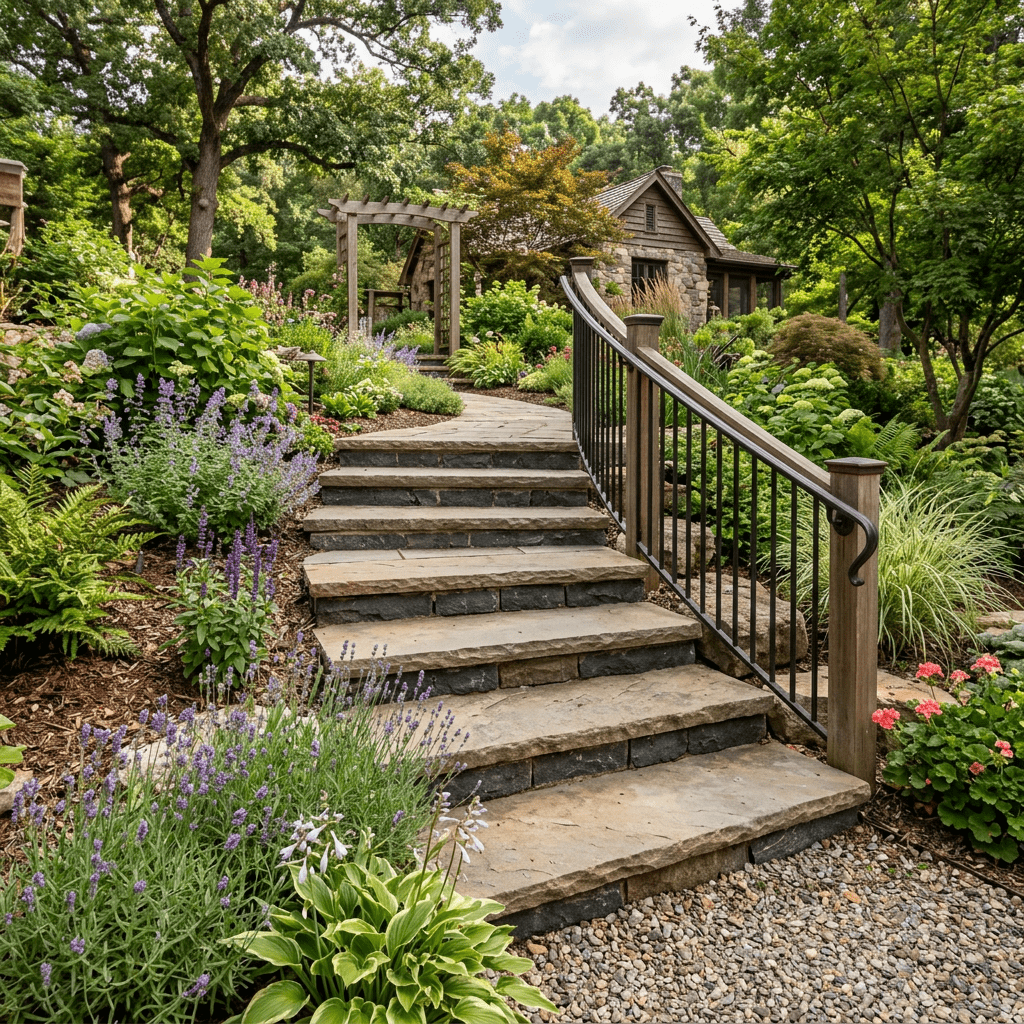
Creating garden steps that are both safe and aesthetically pleasing involves careful planning, material selection, and adherence to safety standards. This comprehensive guide will walk you through the best practices for building safety garden steps, covering design considerations, material choices, safety measures, and maintenance tips.
Garden steps serve as both functional pathways and visual focal points in your outdoor space. Whether you're navigating a gentle slope or a steep incline, well-designed steps can enhance accessibility and add charm to your garden. This guide provides insights into designing, selecting materials, and ensuring safety in your garden steps, helping you create a harmonious and inviting landscape.
Main Article : The Complete Guide to Garden Steps: Design, Materials, and Safety
Design Considerations of Safety Garden Steps
Step Dimensions and Ergonomics
Properly designed steps are crucial for safety and comfort. The ergonomic formula for step dimensions is:
- Riser Height: 6–8 inches
- Tread Depth: 12–16 inches
This formula ensures a comfortable ascent and descent. For example, a 6-inch riser combined with a 14-inch tread results in a total of 26 inches, aligning with ergonomic standards. (blog.renovationfind.com)
Consistency in Step Design
Maintaining uniformity in step dimensions is essential to prevent tripping hazards. Inconsistent riser heights or tread depths can lead to missteps and falls. Ensure all steps have the same measurements for a safe and comfortable experience. (blog.renovationfind.com)

Material Selection
Natural Stone Steps
Natural stone, such as sandstone, offers durability and a timeless aesthetic. Its porous surface provides natural slip resistance, making it a safe choice for garden steps. Additionally, sandstone's weather-resistant properties ensure longevity with minimal maintenance. (rflandscapeproducts.co.uk)
Wood Steps
Wooden steps, like those made from pressure-treated lumber, can add warmth and a rustic charm to your garden. However, wood requires regular sealing to protect against moisture and sun damage. Applying a wood sealant or stain every year or two helps maintain its appearance and durability. (e-a-a.com)
Concrete Steps
Concrete steps are versatile and can be molded into various shapes and sizes. They are low-maintenance and can be textured to enhance slip resistance. Adding a broom finish or anti-slip strips can further improve safety, especially in wet conditions. (airtasker.com)
Safety Measures
Non-Slip Surfaces
Ensuring that your garden steps have non-slip surfaces is vital for safety. Options include textured concrete finishes, anti-slip strips, or natural materials like sandstone with a rough surface. These features help prevent slips, particularly in wet conditions. (airtasker.com)
Handrails and Lighting
Incorporating sturdy handrails provides support and stability, especially on steeper steps. Additionally, installing lighting along the steps enhances visibility at night, reducing the risk of accidents. Solar-powered LED lights are an energy-efficient option that requires minimal maintenance. (2amagazine.com)
Drainage Considerations
Proper drainage is essential to prevent water pooling on steps, which can create slippery surfaces. Design steps with a slight forward slope or install small drainage channels to direct water away from the treads. (airtasker.com)
Maintenance Tips
Regular Cleaning
Regularly clean your garden steps to remove debris, moss, or algae that can create slippery conditions. Use a broom or pressure washer to keep the surfaces clear and safe.
Sealing and Protection
Depending on the material, apply appropriate sealants to protect against weathering. For wood, use a wood sealant or stain every year or two. For stone, consider applying a concrete sealer or brick sealant to protect against moisture and mold growth. (e-a-a.com)
Inspect for Wear and Tear
Regularly inspect your garden steps for signs of damage, such as cracks, loose stones, or deteriorating wood. Address any issues promptly to maintain safety and prolong the lifespan of your steps.

Conclusion
Designing and building garden steps that are both safe and beautiful requires careful consideration of dimensions, materials, safety features, and maintenance. By following the best practices outlined in this guide, you can create steps that enhance the functionality and aesthetic appeal of your garden, ensuring a safe and enjoyable experience for all who use them.
Remember to regularly maintain your garden steps to keep them in optimal condition, addressing any issues promptly to ensure long-term safety and beauty.
By integrating thoughtful design, quality materials, and safety measures, your garden steps can become a standout feature in your outdoor space, providing both utility and visual interest.
FAQ
What is the ideal height for each step riser?
The ideal riser height is between 6 to 8 inches. This range provides a comfortable and safe step for most individuals. (blog.renovationfind.com)
How can I prevent my wooden steps from deteriorating?
Regularly apply a wood sealant or stain every year or two to protect against moisture and sun damage. This maintenance helps extend the lifespan of your wooden steps. (e-a-a.com)
Are there eco-friendly materials for garden steps?
Yes, using natural stones like sandstone or recycled materials can be environmentally friendly options. These materials are durable and require minimal maintenance. (rflandscapeproducts.co.uk)
How do I ensure my garden steps are safe at night?
Incorporate lighting along the steps, such as solar-powered LED lights, to enhance visibility and reduce the risk of accidents during nighttime. (2amagazine.com)
What materials are best for non-slip surfaces on garden steps?
Textured concrete finishes, anti-slip strips, or natural materials like sandstone with a rough surface are effective for creating non-slip surfaces on garden steps. (airtasker.com)