

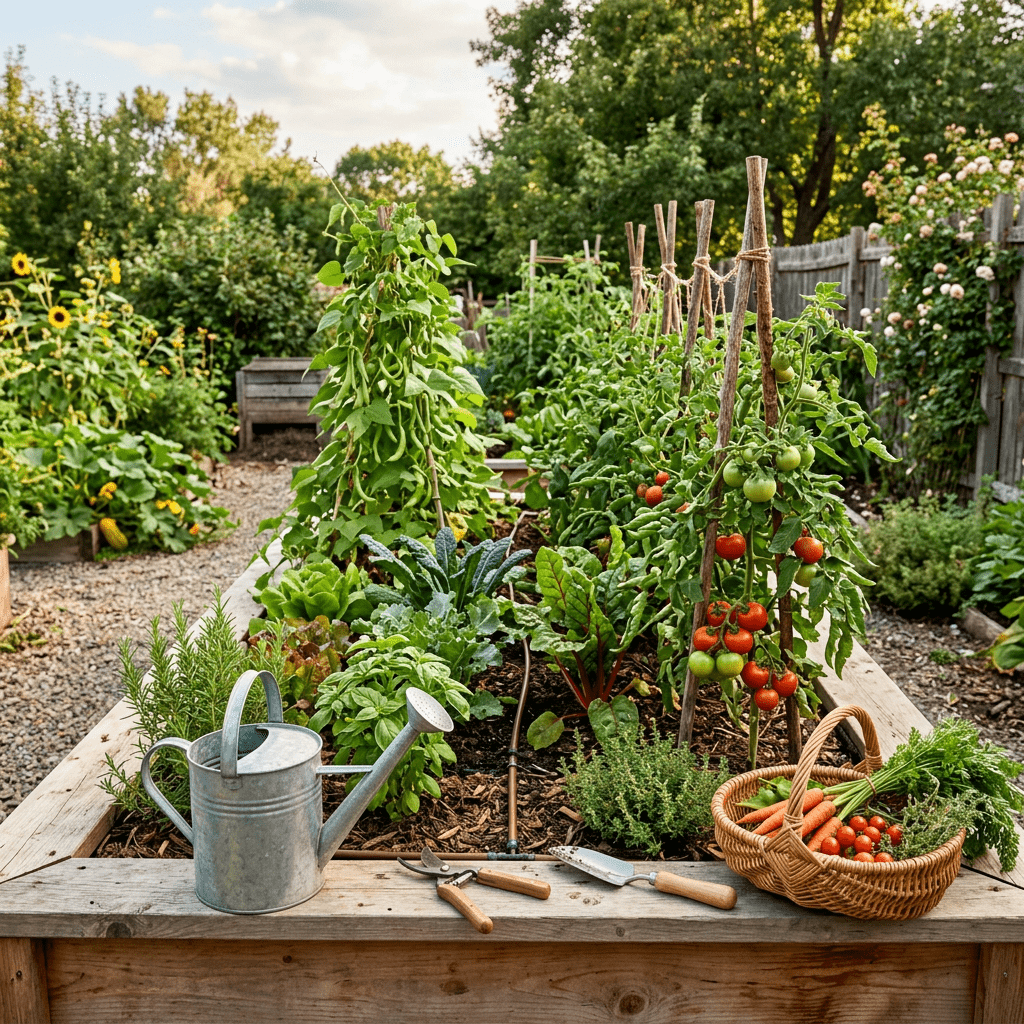
Creating a functional outdoor growing setup is essential for cultivating healthy, productive plants in your garden. Whether you're a seasoned gardener or a beginner, understanding the key components of an effective outdoor growing environment can significantly enhance your gardening experience.
Gardening outdoors offers numerous benefits, including access to natural sunlight, fresh air, and the ability to grow a wide variety of plants. However, to maximize these advantages, it's crucial to establish a well-planned and functional outdoor growing setup. This guide will walk you through the essential steps to create an optimal environment for your plants, ensuring they thrive throughout the growing season.
8 Functional Outdoor Growing Setups
1. Selecting the Ideal Location
Sunlight Exposure
Choose a spot that receives at least 6-8 hours of direct sunlight daily. Sunlight is vital for photosynthesis, which drives plant growth and development. A south-facing location is often ideal in the Northern Hemisphere. (gorillagrowtent.com)
Protection from Elements
Ensure the area is sheltered from strong winds and has good air circulation. This protection helps prevent damage to plants and reduces the risk of disease. (floraflex.com)
2. Preparing the Soil
Soil Testing and Amendment
Before planting, test your soil's pH and nutrient levels. Most plants prefer slightly acidic to neutral soil with a pH between 6.0 and 7.0. Amend the soil with organic matter like compost to improve fertility and drainage. (gorillagrowtent.com)
Raised Beds and Containers
Consider using raised beds or containers, especially if your native soil is poor. These options provide better control over soil quality and drainage. (gorillagrowtent.com)
3. Choosing the Right Plants
Climate-Appropriate Varieties
Select plants that are well-suited to your local climate and growing conditions. Opt for native or adapted species to increase the likelihood of success. (floraflex.com)
Seed vs. Seedlings
Decide whether to start from seeds or purchase seedlings. Seeds offer a wider variety of plant options, while seedlings can provide a head start in the growing season.

4. Implementing Efficient Watering Systems
Drip Irrigation Systems
Install drip irrigation to deliver water directly to the plant roots, minimizing water waste and reducing the risk of disease. (livetoplant.com)
Watering Schedule
Water early in the morning or late in the evening to reduce evaporation and allow plants to absorb moisture effectively.
5. Managing Pests and Diseases
Integrated Pest Management (IPM)
Employ IPM strategies, such as introducing beneficial insects, using organic pesticides, and practicing crop rotation, to control pests and diseases naturally. (livetoplant.com)
Regular Monitoring
Inspect plants regularly for signs of pests or disease and address issues promptly to prevent widespread problems.
6. Utilizing Vertical Gardening Techniques
Space Optimization
In limited spaces, implement vertical gardening by using trellises, towers, or wall-mounted systems to grow climbing plants like tomatoes, cucumbers, and beans. (journeymanhq.com)
Hydroponic Vertical Gardens
Consider hydroponic vertical systems for efficient space utilization and faster plant growth. These systems are suitable for lightweight, fast-growing plants that don't require deep root systems. (vertgar.com)
7. Incorporating Functional Outdoor Structures
Potting Stations and Workbenches
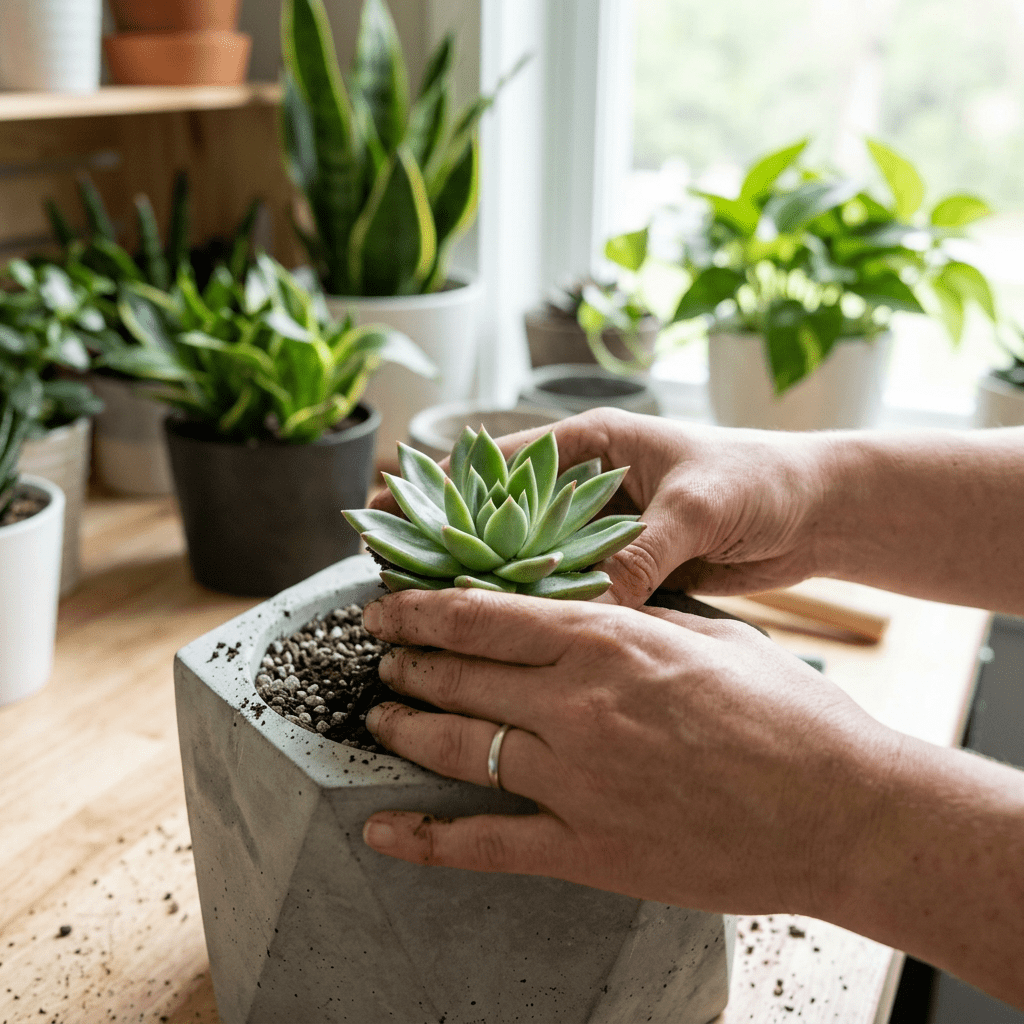
Set up dedicated areas for potting and plant maintenance. Compact fold-down wall stations or repurposed sinks can serve as efficient potting benches, especially in smaller spaces. (biggergarden.com)
Shade Solutions and Shelters
Use shade cloths or structures to protect plants from intense sun and heat, ensuring optimal growth conditions. (livetoplant.com)
8. Planning for Seasonal Changes
Succession Planting
Practice succession planting by harvesting mature crops early and immediately replacing them with fast-growing summer vegetables to maximize productivity. (livetoplant.com)
Winter Preparation
Protect plants during winter by using insulated covers or moving smaller modules indoors to continue cultivation during colder months. (livetoplant.com)
Conclusion
Establishing a functional outdoor growing setup involves careful planning and attention to various factors, including location, soil preparation, plant selection, and pest management. By implementing the strategies outlined in this guide, you can create an optimal environment that supports healthy plant growth and maximizes your gardening success. Remember to monitor your garden regularly and make adjustments as needed to accommodate changing conditions throughout the growing season.
FAQ
Q1: How do I choose the right location for my outdoor garden?
A1: Select a spot that receives at least 6-8 hours of direct sunlight daily, has good air circulation, and is sheltered from strong winds.
Q2: What is the best soil for outdoor gardening?
A2: Use well-draining, nutrient-rich soil with a pH between 6.0 and 7.0. Amending with organic matter like compost can improve soil quality.
Q3: How can I manage pests in my outdoor garden?
A3: Implement Integrated Pest Management (IPM) strategies, such as introducing beneficial insects, using organic pesticides, and practicing crop rotation.
Q4: What are some space-saving techniques for small outdoor areas?
A4: Utilize vertical gardening methods like trellises and wall-mounted systems to grow climbing plants, and consider hydroponic vertical gardens for efficient space utilization.
Q5: How can I protect my plants during winter?
A5: Use insulated covers over raised bed modules or move smaller module units indoors to continue cultivation during colder months.