

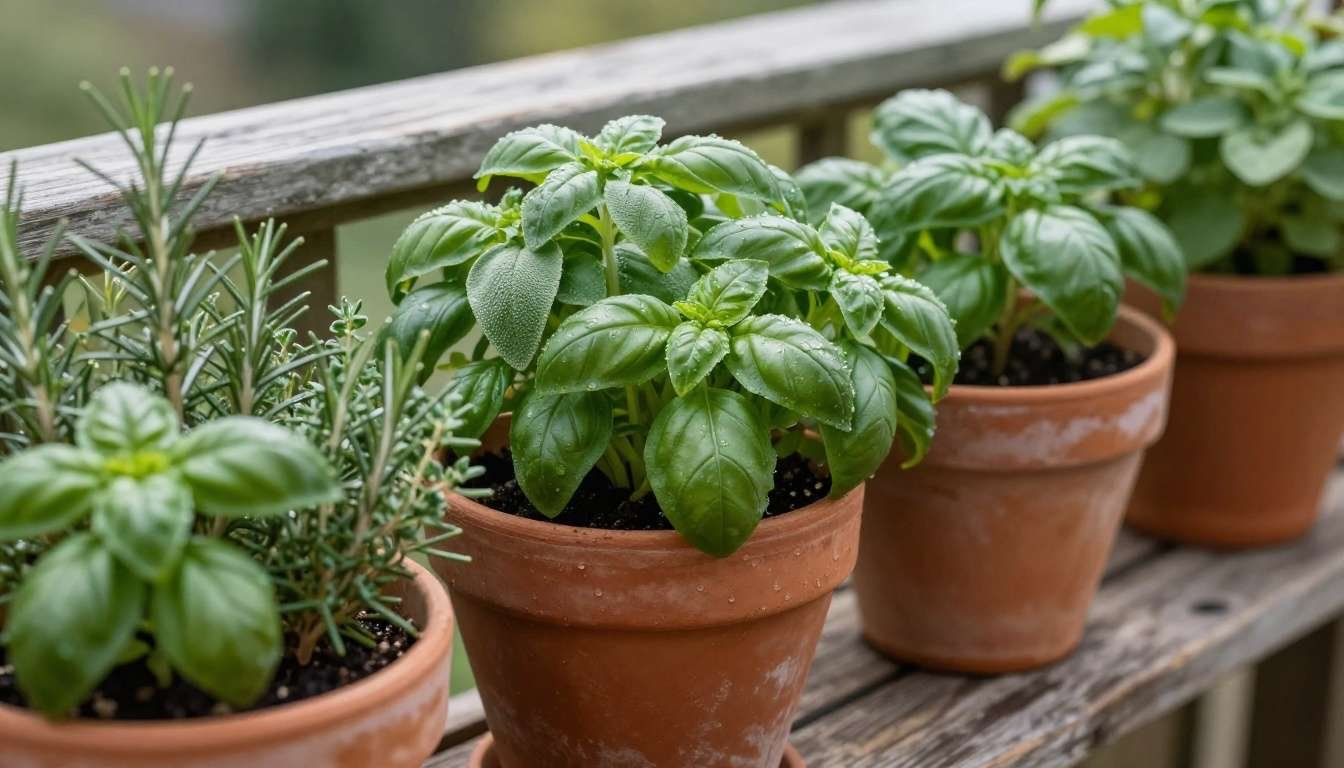
Imagine picking fresh basil right outside your door for tonight's pasta sauce. In tight city spots, many folks dream of homegrown flavors but face space hurdles. A balcony herb garden fixes that. It brings green life to your concrete jungle and boosts your meals with pure taste.
This guide walks you through every step. You'll learn how to plan, plant, care for, and pick from your own herb setup. Tailored for balcony life, it covers sun checks, pot picks, and pest fights. Get ready to turn your railing into a flavor factory.
Assessing Your Balcony for Herb Success
Start by sizing up your spot. Balconies vary a lot. Some get baking sun. Others stay shady. Knowing your setup helps herbs thrive.
Understanding Sunlight: The Essential Ingredient
Track light on your balcony. Watch from dawn to dusk. Note how shadows shift. Morning rays warm gently. Afternoon blasts can scorch.
Most herbs need six hours of sun daily. Log your hours with a notebook or app. Adjust pots as seasons change. In March 2026, spring light grows stronger, so check often.
Full Sun, Partial Sun, and Shade Tolerant Herbs
Rosemary and thyme love full sun blasts. They soak up eight hours easy. Basil handles partial light well, around four to six hours. Mint and parsley shrug off shade, thriving in two to four hours.
Max light with mirrors or reflective pots if needed. Group sun-lovers together. This keeps care simple. For example, place rosemary near the edge for max rays.
Dealing with Heat Reflection and Wind Tunnel Effects
Concrete walls bounce heat like a mirror. It spikes temps fast. Wind whips through railings, drying soil quick.
Use shade cloth on hot days. Plant windbreaks like tall pots. These cut gusts by half. Test with a thermometer—aim below 85°F for tender herbs.
Choosing the Right Containers and Soil Medium
Pots make or break balcony herbs. Pick ones that drain fast. Wrong choice leads to root rot.
Size matters too. Go for at least 6 inches deep. This gives roots room to spread.
Material Matters: Terracotta vs. Plastic vs. Fabric Grow Bags
Terracotta breathes well. It wicks extra water but dries quicker in wind. Great for dry-loving herbs like oregano.
Plastic holds moisture longer. It's light and cheap. But watch for cracks in heat. Fabric bags offer top air flow. Roots stay healthy, less rot risk. Ideal for small balconies—stack them easy.
Pick based on your balcony vibe. Terracotta adds rustic charm. Fabric suits modern looks.
Drainage is Non-Negotiable: Ensuring Proper Water Flow
Every pot needs holes at the bottom. Skip this, and water pools. Roots drown fast.
Add gravel or pot shards below soil. It boosts flow without clogging. Myth busted: You don't need deep layers—just an inch. Test by pouring water; it should run out quick.
The Ideal Soil Recipe for Herbs
Ditch garden dirt. It packs tight in pots. Use potting mix for herbs. It drains like a dream.
Mix in perlite for extra fluff. Or add coarse sand for grip. Aim for 70% mix, 30% amendment. This setup feeds roots without sogginess. Herbs reward you with lush growth.
Selecting the Best Herbs for Balcony Cultivation
Choose smart. Not all herbs fit pots. Go for compact growers.
They yield big in small space. Fresh picks beat store-bought every time.
Top Performers for Container Growing
Try these seven stars: basil, mint, rosemary, thyme, oregano, parsley, and cilantro. They pack flavor punch. Easy wins for newbies.
Basil scents your air. Rosemary lasts years. Thyme creeps nicely over edges.
Mediterranean Herbs: Low Water, High Flavor (Rosemary, Thyme, Oregano)
These tough guys handle dry spells. Rosemary shrugs off missed waters. Thyme bounces back from wind.
Oregano spreads slow in pots. All three love sun. Plant them for low fuss. In balcony heat, they shine without daily drinks.
Moisture Lovers Needing Consistent Care (Basil, Parsley, Cilantro)
Basil wilts in dry air fast. Water it often. Parsley stays green with steady sips.
Cilantro bolts in heat. Pick leaves young. Shade it on hot afternoons. These add zing to salads but demand attention.
Strategies for Managing Aggressive Growers
Some herbs bully others. Keep them apart. This saves your garden peace.
Watch roots and spread. Isolate invaders early.
Containing the Mint Invasion
Mint runs wild. Roots creep everywhere. Plant it solo in its pot.
Bury the container deep. This stops escapes. Enjoy its cool taste without takeover.
Companion Planting Within Larger Containers
Pair likes together. Basil and oregano share sun needs. They boost each other.
Thyme with parsley works too. Similar water wants. Avoid mint with anyone. This mix cuts work and ups harvest.
Planting Techniques and Initial Setup
Get planting right from day one. Seeds or starts? Both work.
Timing counts in spring. March 2026 frost risks linger, so plan ahead.
Starting from Seed vs. Purchasing Transplants
Seeds save cash. They take time—six weeks to sprout. Transplants jumpstart growth. They're pricier but faster.
For balconies, starts suit busy folks. Seeds thrill patient gardeners. Pick what fits your schedule.
Seed Starting Success Indoors Before Moving Outdoors
Start indoors in February. Use trays with seed mix. Keep at 70°F.
Common seeds like basil need light. Water gently. In four to six weeks, they're ready. Last frost date? Check local—often mid-April.
Acclimating Seedlings: The Hardening Off Process
Don't shock babies. Start with indoor hours in shade. Build to full sun over a week.
Day one: One hour outside. Add time daily. Wind toughens stems. Skip this, and leaves burn.
Maximizing Vertical Space with Tiered Systems
Balconies scream for up. Use walls and rails. Double your green.
Tiered setups save floor. Herbs climb happy.
DIY Pallet Gardens and Shelf Units
Grab a pallet. Lean it secure. Fill slats with soil bags.
Add shelves from scrap wood. Bolt them firm. Herbs like chives fit tiers. Water from top—trickle down.
Railing Planters and Hanging Baskets
Rail pots hug edges. Check weight—under 10 pounds per foot. Secure with brackets.
Hanging baskets swing light. Trailing thyme loves them. Wind-proof with ties. Max sun without crowding.
Water, Feeding, and Essential Maintenance
Care keeps herbs happy. Water right. Feed smart.
Containers guzzle more than ground beds. Stay on top.
Watering Wisdom for Container Herbs
Pots dry in hours. Balcony wind speeds it. Check daily.
Deep soak beats light sprinkles. Soil drinks full.
The Finger Test: Knowing When to Water
Stick finger in soil. Dry an inch down? Time to water.
Top inch dry means go. Wet? Wait a day. Simple trick saves overwatering woes.
Automated Solutions for Busy Gardeners (Self-Watering Pots)
Self-pots hold reserve water. Roots sip as needed. Great for trips.
Wick systems work cheap. Fill reservoir weekly. Herbs stay perky without fuss.
Fertilizing Strategies for High-Yield Harvesting
Pots lose nutrients fast. Rain washes them out. Feed every two weeks.
Organic picks keep it safe. Herbs taste clean.
Organic Liquid Feed vs. Slow-Release Granules
Liquid fish emulsion perks quick. Dilute and pour. Granules last months. Poke in soil at plant time.
Both build strong plants. Start light—half strength for babies.
Recognizing Signs of Nutrient Deficiency
Yellow leaves scream low nitrogen. Fix with green feed. Stunted tips? More potassium.
Purple edges mean cold or lack. Adjust spot or add balance. Watch close for clues.
Harvesting and Pest Management
Pick often. It spurs more growth. Herbs love the trim.
Pests sneak in. Spot them early.
Pruning for Perpetual Production
Snip tips regular. Plants bush out. No leggy stems.
Harvest mornings. Dew-fresh flavor peaks.
The Right Way to Pinch Basil for Bushier Growth
Find leaf pairs. Pinch above them. New shoots pop.
Do it weekly. Basil doubles up. More leaves for pesto.
Timing Your Harvest for Peak Flavor
Cut before flowers open. Oils concentrate then. Post-bloom, taste fades.
Morning picks best. Dry leaves quick. Store in jars for weeks.
Organic Pest Control on the Balcony
Aphids cluster on new growth. They suck sap. Leaves curl.
Whiteflies flutter up. Spider mites speckle dust. Dry air invites them.
Identifying Common Balcony Pests
Aphids: Tiny green bugs. Sticky honeydew follows. Whiteflies: Winged pests under leaves. Mites: Fine webs, yellow dots.
Check undersides weekly. Early catch saves plants.
Simple DIY Pest Solutions (Neem Oil and Soapy Water)
Mix soapy water: One tsp dish soap per quart. Spray pests direct. Rinse next day.
Neem oil: Dilute two tsp per quart. Coat leaves evening. It repels without harm. Repeat weekly till clear.
Conclusion: Enjoying the Fruits of Your Balcony Labor
A balcony herb garden proves easy even in small spots. You gain fresh tastes daily. Save bucks over store herbs too.
Snip rosemary for roasts. Mint for teas. Joy flows from your setup.
Key Takeaways
- Sunlight: Match herbs to your light hours for best growth.
- Drainage: Holes and gravel prevent root drowns.
- Consistent Watering: Check soil often to keep herbs happy.
Start your herb balcony garden today. Grab pots and seeds. Fresh flavors wait just steps away.