

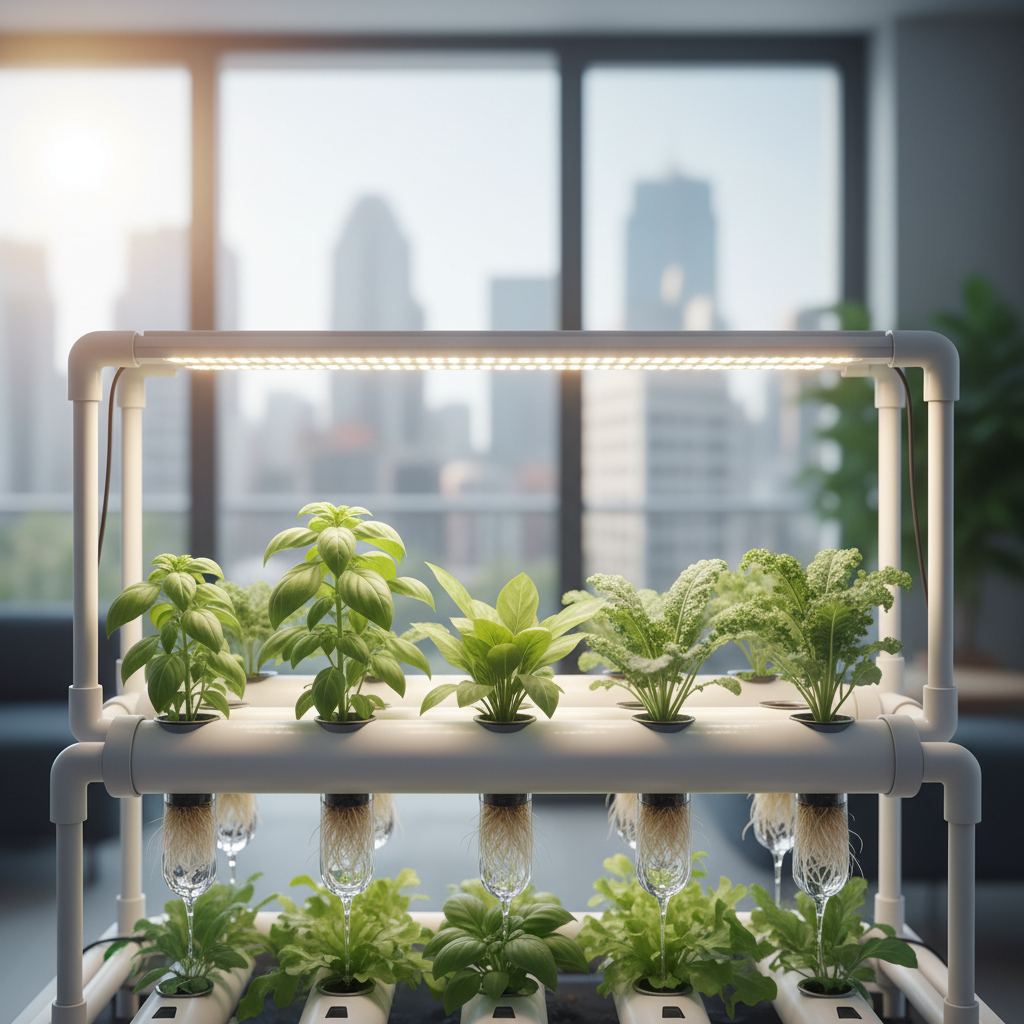
Hydroponic gardening is an innovative method of growing plants without soil, utilizing nutrient-rich water solutions to nourish plant roots. This technique offers numerous advantages over traditional soil-based cultivation, including efficient space utilization, reduced water consumption, and the ability to grow plants in various environments. In this guide, we'll explore the fundamentals of hydroponic gardening, its benefits, different systems, and practical tips for successful soil-free cultivation.
What Is Hydroponic Gardening?
Hydroponic gardening involves cultivating plants in a water-based, nutrient-rich solution, allowing roots to absorb essential minerals directly. This method eliminates the need for soil, providing a controlled environment where factors such as nutrient levels, pH, and light can be precisely managed. (en.wikipedia.org)
Benefits of Hydroponic Gardening
Hydroponic gardening offers several notable advantages:
- Water Efficiency: Hydroponic systems use less water than traditional farming due to the system's ability to recirculate water rather than absorb it from the soil or lose it to evaporation. (en.wikipedia.org)
- Space Optimization: Hydroponic systems can be set up in various environments, including urban areas, allowing for efficient use of limited space. (en.wikipedia.org)
- Faster Plant Growth: Plants in hydroponic systems often grow faster and yield more compared to those grown in soil, due to optimal nutrient and environmental conditions. (en.wikipedia.org)
- Reduced Pest and Disease Issues: The absence of soil minimizes the risk of soil-borne diseases and pests, reducing the need for chemical pesticides. (en.wikipedia.org)
Common Hydroponic Systems
Several hydroponic systems cater to different needs and skill levels:
- Deep Water Culture (DWC): Plants are suspended in a nutrient-rich solution with their roots submerged, and an air pump provides oxygen. (masterclass.com)
- Nutrient Film Technique (NFT): A continuous flow of nutrient solution runs over the roots, allowing for efficient nutrient uptake. (masterclass.com)
- Ebb and Flow (Flood and Drain): The grow tray is periodically flooded with nutrient solution, then drained, providing roots with both water and oxygen. (masterclass.com)
- Wick System: A passive system where a wick draws nutrient solution from a reservoir to the plant roots. (masterclass.com)
- Kratky Method: A passive hydroponic technique where plants are suspended above a nutrient-rich reservoir, requiring minimal maintenance. (en.wikipedia.org)
Essential Components of a Hydroponic System
To set up a hydroponic garden, you'll need:
- Grow Tray: Houses the plants and holds the growing medium.
- Growing Medium: Supports plant roots and retains moisture; options include rockwool, coco coir, and perlite. (farmerflints.com)
- Nutrient Solution: A mixture of water and essential nutrients that feed the plants.
- Lighting: Provides the necessary light spectrum for photosynthesis; LED grow lights are commonly used. (hydroponicupdate.com)
- pH and EC Meters: Tools to monitor and adjust the pH and electrical conductivity of the nutrient solution.
Choosing the Right Plants for Hydroponic Gardening
Hydroponic systems are suitable for a variety of plants, including:
- Leafy Greens: Lettuce, spinach, and kale thrive in hydroponic environments.
- Herbs: Basil, mint, and cilantro grow well without soil.
- Fruiting Plants: Tomatoes, peppers, and cucumbers can be successfully cultivated hydroponically.
- Flowers: Certain flowers, like orchids, can be grown using passive hydroponic methods. (en.wikipedia.org)
Setting Up Your Hydroponic Garden
Follow these steps to establish your hydroponic garden:
- Select a System: Choose a hydroponic system that suits your space and experience level.
- Assemble Components: Gather all necessary equipment, including the grow tray, growing medium, nutrient solution, and lighting.
- Prepare the Growing Medium: Hydrate and prepare the medium according to the manufacturer's instructions.
- Plant Seeds or Seedlings: Start with seeds or purchase seedlings suitable for hydroponic growth.
- Monitor and Adjust: Regularly check the pH, nutrient levels, and overall health of your plants.
Maintenance and Troubleshooting
Regular maintenance is crucial for a successful hydroponic garden:
- Monitor Nutrient Solution: Check and adjust nutrient levels and pH regularly.
- Clean Equipment: Prevent algae and debris buildup by cleaning components periodically.
- Inspect Plants: Look for signs of pests or diseases and address them promptly.
- Adjust Environmental Conditions: Ensure optimal light, temperature, and humidity levels for plant growth.
Conclusion
Hydroponic gardening offers a sustainable and efficient way to grow plants without soil, making it an excellent choice for urban environments and those seeking to optimize space and resources. By understanding the fundamentals, selecting the appropriate system, and committing to regular maintenance, you can enjoy a productive and rewarding hydroponic gardening experience.
FAQ
Q: Is hydroponic gardening suitable for beginners?
A: Yes, many hydroponic systems are designed for ease of use, making them accessible to beginners. Starting with simple systems and gradually progressing to more complex setups is advisable.
Q: Can I grow all types of plants hydroponically?
A: While many plants can be grown hydroponically, some, like root vegetables, may not be suitable due to their growth requirements. It's best to research specific plant needs before starting.
Q: How much space do I need for a hydroponic garden?
A: Hydroponic systems can be set up in various spaces, from small indoor areas to larger outdoor setups, depending on the system chosen.
Q: Do hydroponic systems require a lot of maintenance?
A: Regular monitoring and maintenance are essential but can be less labor-intensive than traditional soil-based gardening, especially with automated systems.
Q: Are hydroponic systems expensive to set up?
A: Initial costs can vary, but many affordable options are available, especially for beginners. Over time, the efficiency and potential yields can offset the initial investment.