

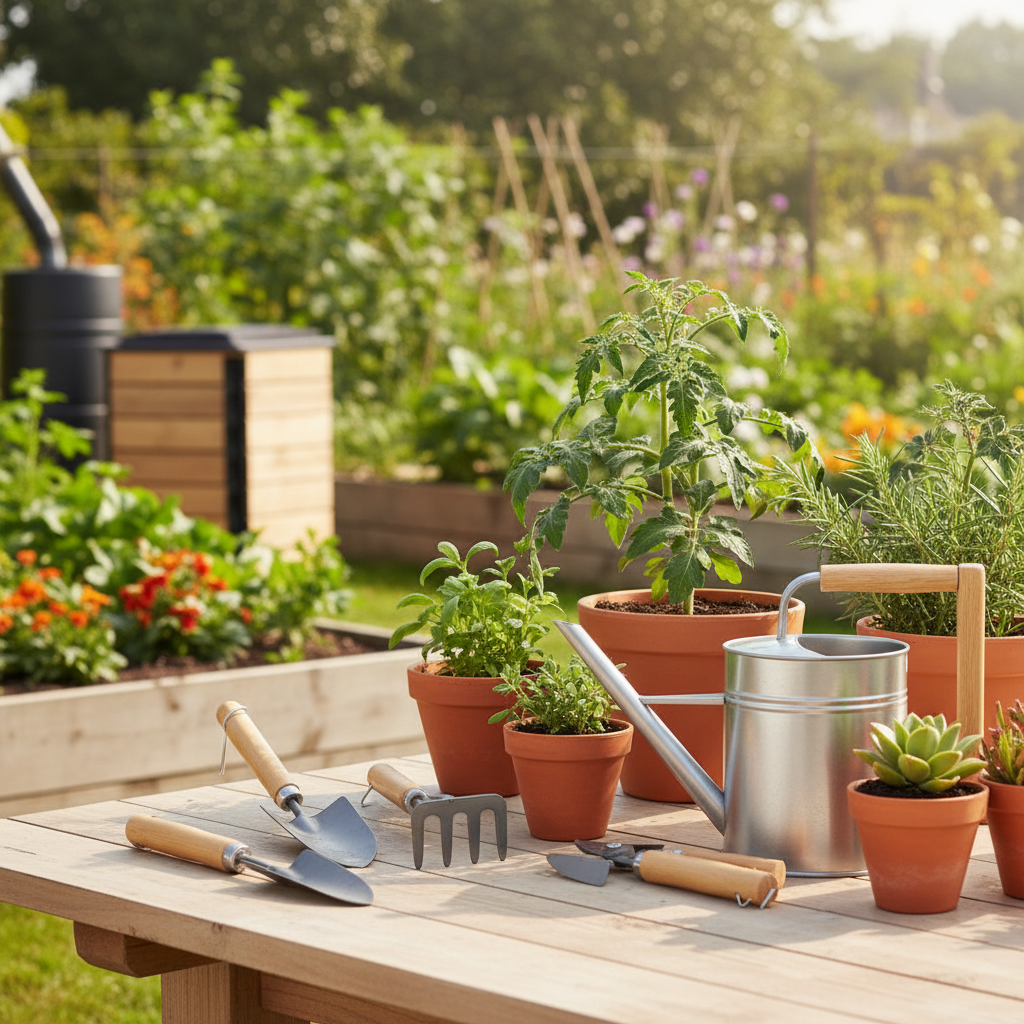
Eco-friendly gardening involves adopting sustainable practices that promote environmental health, conserve resources, and support biodiversity. By implementing these methods, gardeners can create thriving ecosystems that benefit both plants and wildlife.
Benefits of Eco-Friendly Gardening
Engaging in eco-friendly gardening offers numerous advantages:
- Conservation of Resources: Utilizing water-saving techniques and reducing waste through composting helps conserve valuable resources.
- Enhanced Biodiversity: Planting native species and creating habitats attract a variety of beneficial insects, birds, and other wildlife.
- Improved Soil Health: Organic practices like composting enrich soil with essential nutrients, leading to healthier plants.
- Reduction of Chemical Use: Avoiding synthetic fertilizers and pesticides minimizes pollution and supports a healthier environment.
Sustainable Gardening Practices
To cultivate an eco-friendly garden, consider the following practices:
1. Composting
Transforming kitchen scraps and yard waste into compost enriches soil with organic matter, enhancing its structure and fertility. This process reduces landfill waste and provides plants with essential nutrients. (en.wikipedia.org)
2. Water Conservation
Implementing water-saving strategies is crucial:
- Rainwater Harvesting: Install rain barrels to collect and store rainwater for garden use.
- Drip Irrigation: Use drip systems to deliver water directly to plant roots, minimizing evaporation and runoff. (gardenhealth.com)
- Mulching: Apply organic mulch to retain soil moisture and suppress weeds.
3. Native Planting
Choosing native plants adapted to local conditions reduces the need for fertilizers and pesticides. These plants support local wildlife and require less maintenance. (clearpond.com.au)
4. Organic Pest Control
Encourage beneficial insects like ladybugs and lacewings to control pests naturally. Companion planting can also deter harmful insects and promote plant health. (gardenerssouthwimbledon.org.uk)
5. No-Dig Gardening
This method involves adding organic matter directly to the soil surface, allowing natural processes to incorporate it. It preserves soil structure, supports beneficial organisms, and reduces the need for tilling. (en.wikipedia.org)
Eco-Friendly Gardening Tips
- Use Peat-Free Compost: Opt for composts made from sustainable materials to protect peat bogs and reduce carbon emissions. (gardenhealth.com)
- Choose Non-Toxic Materials: Select biodegradable plant labels, stainless steel hoses, and natural pest control methods to minimize chemical exposure. (homesandgardens.com)
- Reduce Lawn Areas: Replace traditional lawns with low-maintenance ground covers or native plants to conserve water and reduce mowing. (clearpond.com.au)
Conclusion
Adopting eco-friendly gardening practices not only enhances the beauty and health of your garden but also contributes positively to the environment. By implementing sustainable methods, gardeners can create thriving ecosystems that support biodiversity and resource conservation.
FAQ
Q: What are the key benefits of eco-friendly gardening?
A: Eco-friendly gardening conserves resources, enhances biodiversity, improves soil health, and reduces chemical use.
Q: How can I conserve water in my garden?
A: Implement rainwater harvesting, use drip irrigation systems, and apply organic mulch to retain soil moisture.
Q: Why should I choose native plants for my garden?
A: Native plants are adapted to local conditions, require less maintenance, and support local wildlife.
Q: What is no-dig gardening?
A: No-dig gardening involves adding organic matter directly to the soil surface, preserving soil structure and supporting beneficial organisms.
Q: How can I control pests organically?
A: Encourage beneficial insects and use companion planting to naturally deter harmful pests.
Q: What are some eco-friendly gardening tips?
A: Use peat-free compost, choose non-toxic materials, and reduce lawn areas to conserve resources and support biodiversity.