

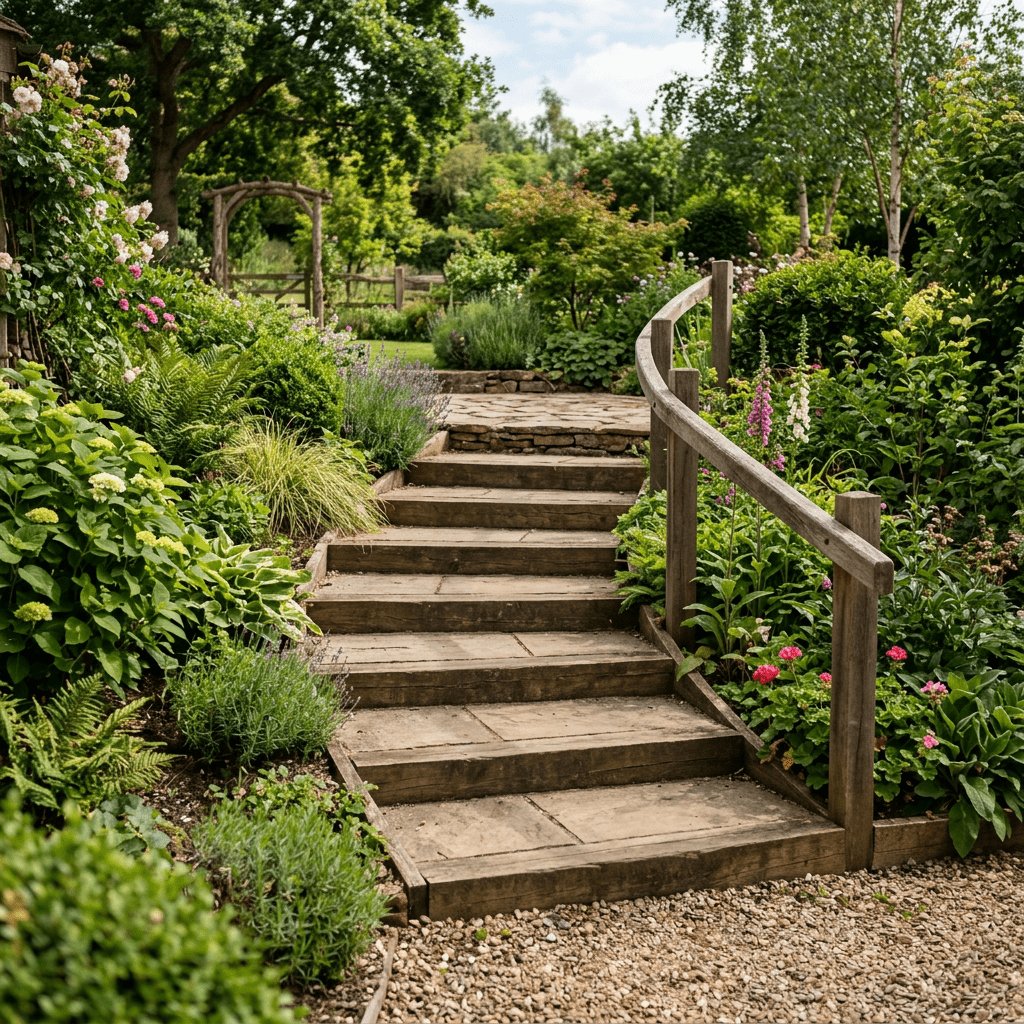
Garden steps are more than just functional elements; they are integral to the aesthetic and safety of your outdoor space. Whether you're navigating a gentle slope or a steep incline, well-designed garden steps provide a safe and attractive pathway. This comprehensive guide delves into the essential aspects of garden steps, including design principles, material selection, and safety considerations.
Garden steps serve as both functional pathways and design features, connecting different levels of your landscape while enhancing its visual appeal. Properly designed and constructed steps ensure safety, accessibility, and longevity. This guide will explore key considerations in designing garden steps, selecting appropriate materials, and implementing safety measures to create a harmonious and secure outdoor environment.
Design Principles for Garden Steps
Consistent Dimensions
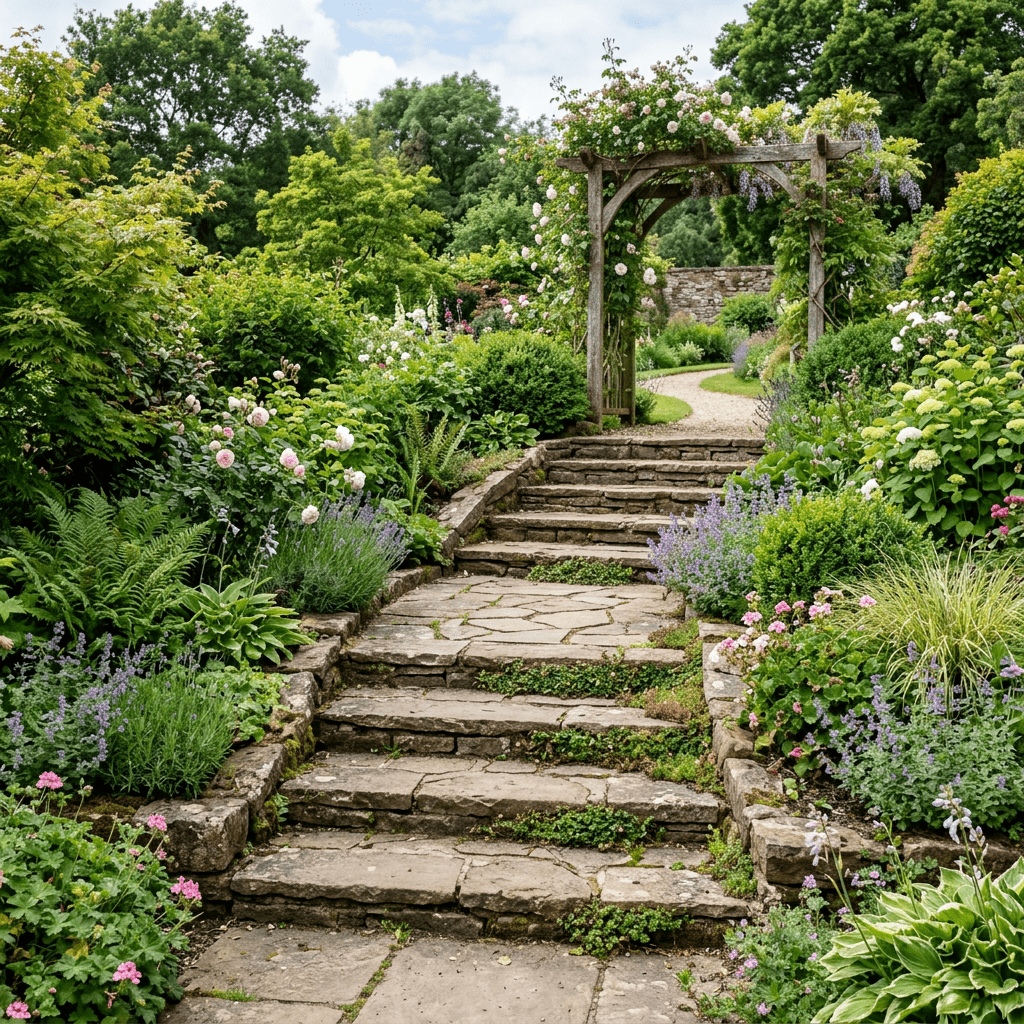
Maintaining uniformity in step dimensions is crucial for safety and comfort. The ergonomic formula for step design is:
(2 × Riser Height) + Tread Depth = 28 inches
Where:
- Riser Height: The vertical distance between steps, ideally between 4 to 7 inches.
- Tread Depth: The horizontal depth of each step, typically 12 to 16 inches.
Consistency in these measurements prevents tripping hazards and ensures a comfortable ascent or descent. (blog.renovationfind.com)
Step Width and Nosing
A step width of at least 30 inches provides stability and comfort. Nosing—the overhanging edge of a step—should not exceed 2 inches to prevent tripping. A 1.5-inch nosing is often ideal for both safety and aesthetics. (plantcaretoday.com)
Slope and Terrain Considerations
On steep grades, riser heights may need to be near the maximum of 7 inches, while on gentle grades, risers should be lower with deeper treads. Proper grading ensures water drainage and prevents pooling, which can lead to slippery surfaces. (plantcaretoday.com)
You may also like : 10 Stunning Garden Step Designs to Inspire You
Selecting Materials for Garden Steps
Natural Stone
Natural stone steps, such as sandstone, offer durability and a timeless aesthetic. Sandstone is naturally slip-resistant due to its porous surface and is weather-resistant, requiring minimal maintenance. (rflandscapeproducts.co.uk)
Concrete Pavers
Concrete pavers are versatile and cost-effective, available in various colors and textures. They are durable and can be individually replaced if damaged, making them a practical choice for many homeowners. (salcorplandscaping.com)
Brick
Brick steps provide a classic, traditional look and are known for their strength and longevity. They require low to medium maintenance, with occasional repointing of mortar joints. (salcorplandscaping.com)
Wood-Look Pavers
Wood-look pavers offer the rustic appearance of wood without the risk of rot or insect damage. They are low-maintenance and do not require staining or sealing like real wood. (salcorplandscaping.com)
You may also like : Top 5 Garden Step Materials: Pros and Cons
Safety Considerations for Garden Steps
Non-Slip Surfaces
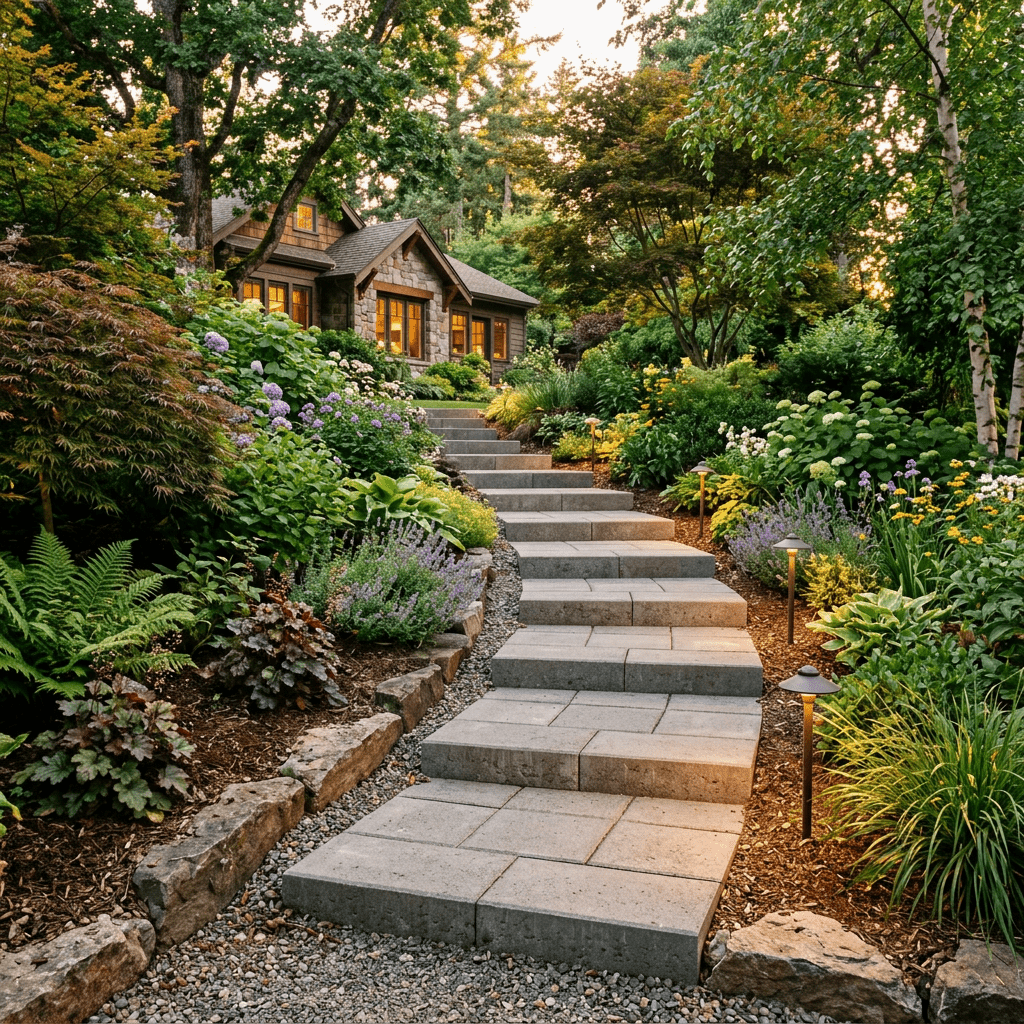
Ensuring that steps have non-slip surfaces is vital for safety. Materials like textured concrete, natural stone, and brick provide good traction, even when wet. Adding a slight slope to the treads can also help water drain off quickly, reducing slipperiness. (cedarcreekla.com)
Handrails and Lighting
For steps with more than three or four risers, especially on steep slopes, installing handrails is essential. Proper lighting along the steps enhances visibility and safety during low-light conditions. Path lights and step lights can guide the way and prevent trips. (blog.renovationfind.com)
Regular Maintenance
Regular maintenance is crucial to ensure the longevity and safety of garden steps. This includes cleaning to remove debris, checking for loose or damaged materials, and applying sealants or treatments as needed to protect against weathering. (e-a-a.com)
You may also like : Best Practices for Building Safety Garden Steps
Conclusion
Designing and constructing garden steps involves careful consideration of dimensions, materials, and safety features. By adhering to ergonomic principles, selecting appropriate materials, and implementing safety measures, you can create garden steps that are both functional and aesthetically pleasing. Regular maintenance ensures their longevity and continued safety, allowing you to enjoy your outdoor space with confidence.
FAQ
What is the ideal riser height for garden steps?
The ideal riser height is between 4 to 7 inches, with 6 inches being a common choice for comfort and safety.
How do I prevent moss and algae on stone steps?
Regular cleaning with a mild bleach solution or a stone cleaner can help prevent moss and algae growth. Ensure proper drainage to prevent water pooling, which can contribute to growth. (e-a-a.com)
Are there eco-friendly materials for garden steps?
Yes, materials like reclaimed wood, recycled concrete, and natural stones are eco-friendly options that reduce environmental impact.
How can I make my garden steps more visible at night?
Installing path lights along the edges and step lights on the risers can enhance visibility and safety during nighttime. (cedarcreekla.com)