

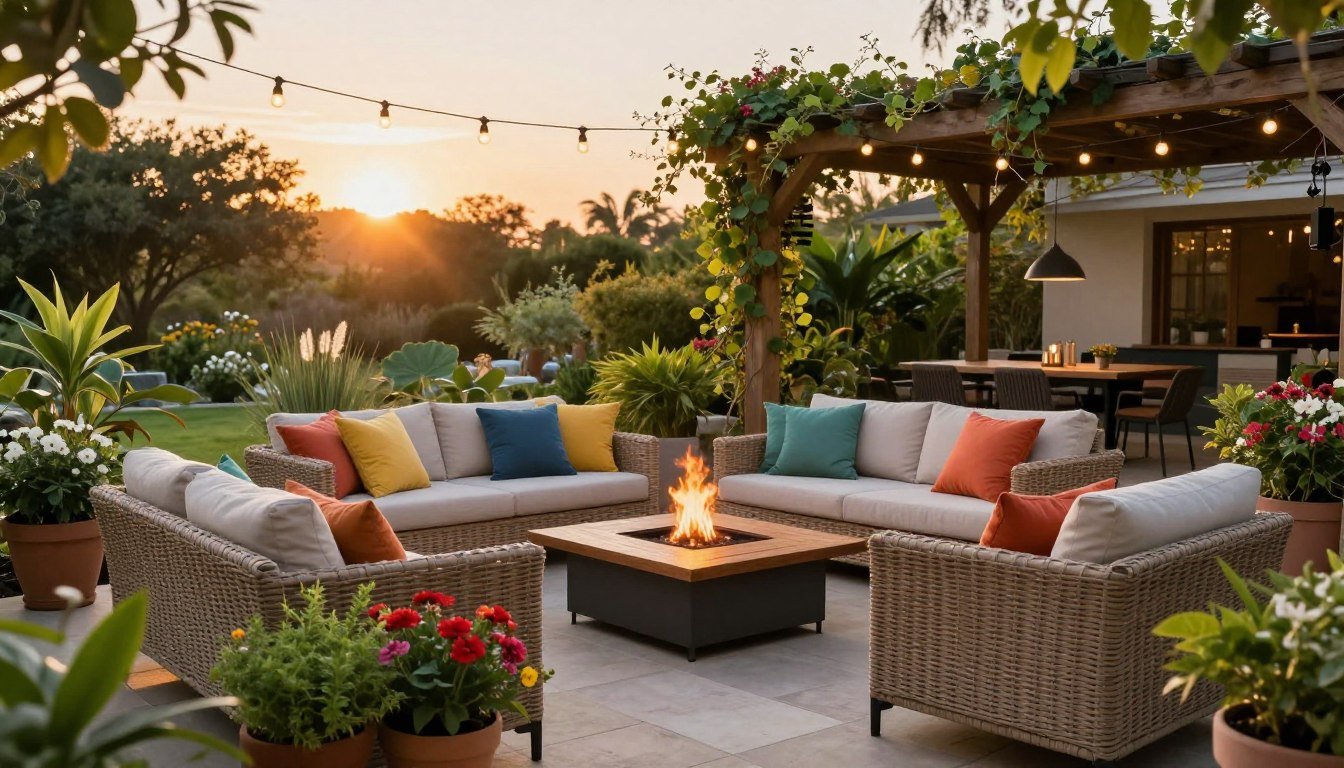
Turning your outdoor area into a stunning garden home can change your life. It's about making a space that looks great, works well, and feels welcoming.
Picture yourself in a peaceful oasis, where you can unwind, host guests, and enjoy nature. By adding outdoor living spaces, you can make your backyard a reflection of your taste.
With the right ideas and design, you can make your outdoor area a true part of your home. It becomes a place that shows off your style.
Creating Your Garden Home Vision
Turning your outdoor area into a garden home starts with a clear vision. First, you need to look at your current outdoor space. Understand what it can be and what it can't.
Assessing Your Current Outdoor Space
Start by checking your yard's layout, soil, and features. Think about the sunlight, drainage, and how you use it now.
Notice any special features, like trees or slopes, that can add to your garden. This step helps you see what needs work and what can be improved.

garden design ideas
Defining Your Garden Style and Goals
Your garden should match your taste and your home's look. You might like modern garden home styles with clean lines and focus on outdoor living.
Or, you might prefer traditional American garden designs with lush plants and classic features.
Modern Garden Home Styles
Modern gardens use sleek materials like steel and glass. They often have outdoor kitchens, fire pits, and big patios that blend indoor and outdoor spaces.
Traditional American Garden Designs
Traditional gardens are warm and full of character. They mix flowers, shrubs, and trees. You'll find garden benches, bird baths, and fancy fences in these gardens.
Planning for All Seasons in Your Region
A good garden home is fun all year. Think about how your garden will look and work in different seasons.
Pick plants that are interesting all year. Add outdoor lights and heating or cooling to make your space usable longer.
Essential Elements of a Garden Home
A great garden home mixes function with beauty. It does this by combining key elements. These elements make the outdoor space welcoming and balanced.
Balancing Hardscape and Softscape Elements
A good garden balances hard and soft elements. Hard elements like patios, walkways, and retaining walls give shape. Soft elements, like plants and flowers, bring color and life.
Match your home's style with your hardscape choices. Pick plants that fit your garden's climate and conditions.
Creating Functional Outdoor Zones
Outdoor zones make your garden more useful. You can have areas for dining, relaxing, and fun. This makes your garden a flexible space for your family.
Think about how zones connect. Make sure the layout is both useful and looks good.
Incorporating Water and Fire Features
Water and fire features make your garden more engaging. They add a relaxing touch to your space.
Fountain and Pond Options
Fountains and ponds bring the sound of water to your garden. You can choose from simple fountains to big pond systems. There's something for every garden size and style.
Fire Pit and Outdoor Fireplace Ideas
Fire pits and fireplaces warm up your garden. They're great for chilly nights and gatherings. They become a key spot for socializing.
Decide between a fire pit or fireplace based on space, budget, and style.
Selecting the Right Plants for Your Garden Home
A beautiful garden home starts with the right plants. They make your outdoor space look great and help it last longer. It's important to pick plants that fit your local weather and soil.
Climate-Appropriate Plant Selection for US Regions
Different parts of the US have their own weather and soil. In cold places, you need plants that can handle the cold. In hot areas, plants that don't need much water are best. Knowing your local weather and soil is key to picking the right plants.
Creating Visual Interest with Texture and Color
Adding different textures and colors makes your garden interesting. Try mixing smooth leaves, spiky succulents, and delicate ferns. Also, pick plants with various flower colors and times to bloom. This keeps your garden lively all season.
Low-Maintenance Options for Busy Homeowners
If you're always on the go, choose easy-to-care-for plants. Native plants are great because they need less water and care. Drought-tolerant landscaping also saves water, perfect for those who care about water use.
Native Plants for Sustainability
Native plants help local wildlife by offering food and homes. They also fight off pests and diseases without chemicals. Using native plants in your garden is good for the planet.
Drought-Tolerant Landscaping
Drought-tolerant landscaping saves water and looks good. Succulents and grasses need little water and do well in dry places. This is great for areas that often don't get much rain, keeping your garden beautiful without wasting water.
Outdoor Living Spaces: Extending Your Garden Home
Creating an inviting outdoor living space is key to maximizing your garden home's potential. By extending your living areas outdoors, you can enjoy your garden throughout the year.
Designing Comfortable Seating and Lounging Areas
Comfortable seating and lounging areas are essential for any outdoor living space. Use durable outdoor furniture that can withstand various weather conditions. Adding elements like fire pits or outdoor heaters can extend the usability of your outdoor space into cooler months.
Outdoor Kitchens and Dining Spaces
Outdoor kitchens and dining areas can significantly enhance your outdoor living experience. Incorporating a fully equipped kitchen with a grill, sink, and refrigerator allows for effortless outdoor entertaining. Dining areas should be designed with comfort and ambiance in mind, using materials that are both stylish and weather-resistant.
Creating Privacy and Shade Solutions
Privacy and shade are crucial elements in designing outdoor living spaces.
Pergolas and Shade Structures
Pergolas and other shade structures not only provide shade but also add architectural interest to your garden. They can be adorned with climbing plants to further enhance their beauty and functionality.
Living Privacy Screens
Living privacy screens, made from plants or greenery, offer a natural and aesthetically pleasing way to create seclusion in your outdoor living space. They can be tailored to fit your garden's style and size.
By incorporating these elements, you can create an outdoor living space that is both inviting and functional. It's perfect for relaxing, entertaining, or simply enjoying nature.
Sustainable Practices for Your Garden Home
Sustainable gardening is key to a healthy garden home. It helps the planet and makes your outdoor space beautiful and strong.
Water Conservation Techniques and Systems
Water conservation is vital in gardening. Using drip irrigation, rainwater harvesting, and drought-resistant plants saves water. Drip irrigation systems send water straight to the roots, cutting down on evaporation and runoff.
Adding mulch to your garden also helps. It keeps the soil moist, stops weeds, and controls soil temperature.
Composting and Natural Fertilizer Methods
Composting is great for reducing waste and making soil rich. It turns kitchen scraps and yard waste into a natural fertilizer that helps plants grow.
Using natural fertilizers like compost, manure, or green sand boosts soil health. It cuts down on synthetic fertilizers and supports your garden's ecosystem.
Wildlife-Friendly Garden Features
A wildlife-friendly garden boosts biodiversity and helps local ecosystems. Adding features that attract pollinators, birds, and butterflies makes your garden a wildlife haven.
Pollinator Gardens
Planting a pollinator garden with nectar-rich flowers supports bees, butterflies, and more. Choose plants that bloom at different times for a steady food source.
Bird and Butterfly Attractions
Native plants, shrubs, and trees with berries, seeds, or nectar attract birds and butterflies. Bird baths or small ponds make your garden even more appealing to wildlife.
By using these sustainable practices, you can make your garden a vibrant, eco-friendly space. It benefits you and the environment.
Enjoying Your Transformed Garden Home
Turning your outdoor area into a beautiful garden home is a journey filled with joy and peace. It involves adding key elements, picking the right plants, and making spaces for outdoor living. This way, you can create a space that shows off your personal style.
When you enjoy your garden home, don't forget to notice the little things that make it special. The calm sounds of water features and the cozy feel of outdoor kitchens add to the relaxation and connection with nature.
To keep your garden home in top shape, try using water-saving and composting methods. These green practices are good for the planet and make your outdoor space even more beautiful and useful. They also give you new ideas for your garden.
Your garden home shows your love for nature and your wish for a peaceful place. By following the tips in this article, you can have a beautiful outdoor space that brings joy and calm to your life for many years.
FAQ
What is the first step in transforming my outdoor space into a garden home?
Start by looking at your outdoor space. Note its layout, features, and sunlight. This helps you see where to improve and how to make a beautiful garden home.
How do I choose the right plants for my garden home?
Think about your climate, soil, and sunlight. Also, consider how much care you want to give and the look you want with plants.
What are some essential elements of a garden home?
Key elements include mixing hard and soft features, setting up zones, and adding water and fire features. Think about fountains, ponds, fire pits, and outdoor fireplaces.
How can I make my garden home more sustainable?
Use water saving methods, compost, and natural fertilizers. Also, create spaces for wildlife, like pollinator gardens and bird habitats.
What are some ideas for creating privacy and shade in my garden home?
Use pergolas, shade structures, and living screens for privacy and shade. They help define areas and add comfort.
How can I extend my garden home into an outdoor living space?
Add comfy seating, outdoor kitchens, and dining areas. Include shade and privacy features to make it a cozy space.
What are some low-maintenance plant options for my garden home?
Choose native plants, drought-tolerant landscaping, and plants with similar needs. They save time and effort in garden care.
How can I incorporate water features into my garden home?
Add fountains and ponds for a calming atmosphere. They attract wildlife and bring tranquility.
What are some modern garden home styles I can consider?
Modern styles have clean lines and focus on function. Use outdoor kitchens, fire pits, and sleek designs for a modern look.
How can I make my garden home more inviting and functional?
Create zones for different activities like dining and lounging. Add comfy seating, lighting, and decor to make it welcoming.