

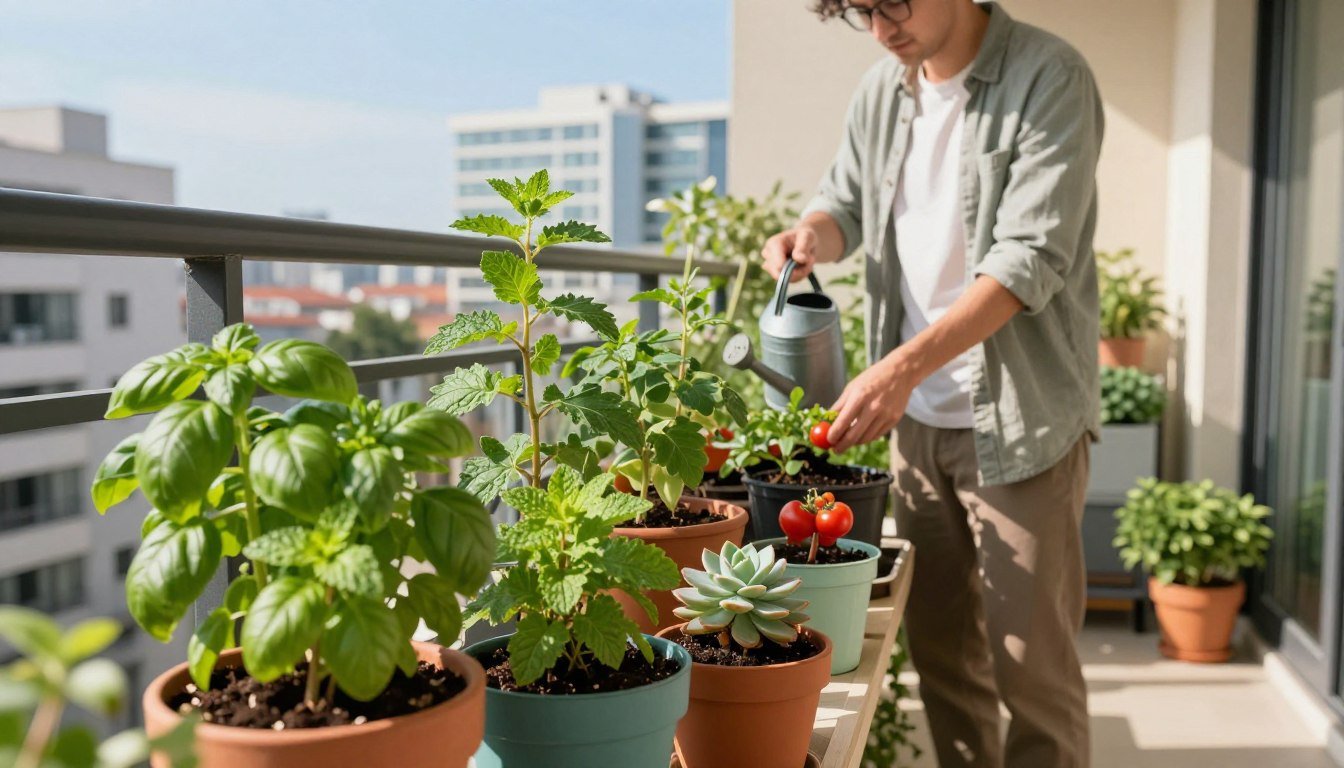
Welcome to the world of city gardening, where you can turn your small space into a lush oasis. Whether you have a balcony, patio, or just a windowsill, you can grow your own herbs, vegetables, and flowers.
Urban Gardening 101 in the city is not only a great way to beautify your surroundings, but it also provides numerous benefits, including fresh produce and a sense of community. With these gardening tips, you'll be well on your way to creating a thriving garden in no time.
Getting started is easier than you think. You don't need a green thumb or a large yard to begin. Simply choose the right plants, provide them with the necessary care, and enjoy the fruits of your labor.
1. Why Urban Gardening 101 is Perfect for City Dwellers
Urban gardening offers a multitude of benefits for city residents, from fresh produce to improved air quality. By embracing sustainable gardening practices, individuals can transform their urban spaces into thriving oases that not only beautify their surroundings but also contribute to a healthier environment.
Fresh, Organic Produce at Your Fingertips
One of the most significant advantages of urban agriculture is the ability to grow your own organic produce. By doing so, you have complete control over what goes into your food, ensuring it's free from harmful pesticides and chemicals. This not only enhances the flavor and nutritional value of your meals but also supports a healthier lifestyle.
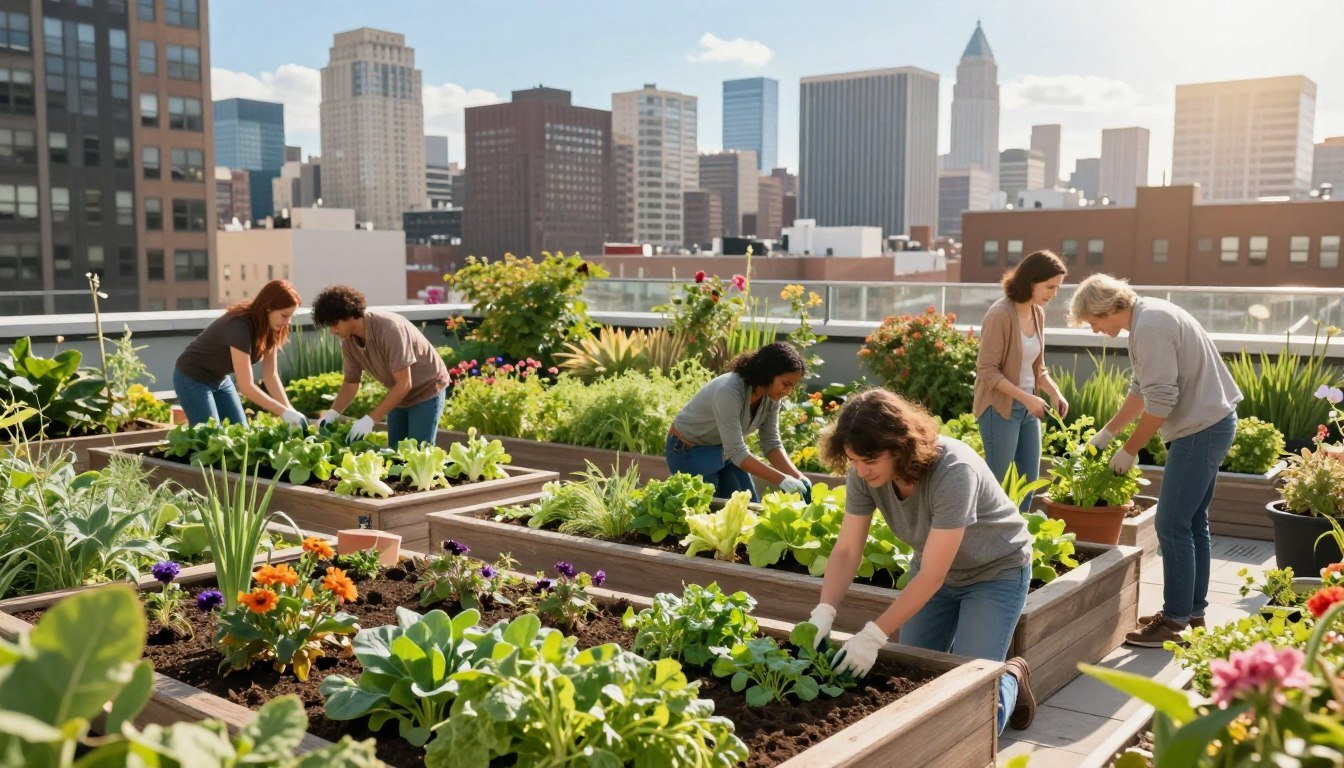
urban gardening benefits
Improving Air Quality and Reducing Your Carbon Footprint
Urban gardening plays a crucial role in improving air quality by increasing the amount of green spaces in urban areas. Plants absorb carbon dioxide and release oxygen, contributing to a cleaner environment. By adopting sustainable gardening methods, city dwellers can significantly reduce their carbon footprint and help mitigate the effects of climate change.
Creating a Peaceful Green Oasis
Beyond its environmental benefits, urban gardening also offers a serene escape from the hustle and bustle of city life. Creating a green oasis in your home or on your balcony can be a therapeutic experience, providing a peaceful retreat where you can relax and unwind. This aspect of urban gardening is particularly valuable for city dwellers who often face high levels of stress and limited access to natural spaces.
2. Getting Started with Urban Gardening in Limited Space
Getting started with urban gardening in limited space involves evaluating your available growing areas and understanding the conditions that will affect your plants' growth. Whether you have a tiny balcony, a rooftop, or just a windowsill, you can still grow a variety of plants.
Evaluating Your Available Growing Space
Before you begin, it's essential to assess the spaces available for gardening. Different areas offer unique opportunities and challenges.
Balconies and Patios
These are popular spots for urban gardening. They usually receive plenty of sunlight and can accommodate a range of containers. Consider using vertical gardening techniques to maximize space.
Rooftops and Terraces
Rooftops can be ideal for gardening, offering full sun and good drainage. However, they can also be windy, so you'll need to choose plants that can withstand these conditions.
Window Sills and Indoor Areas
For those with very limited outdoor space, indoor gardening is a viable option. Use window sills or indoor growing lights to create a mini-garden. Ensure good air circulation to prevent fungal diseases.
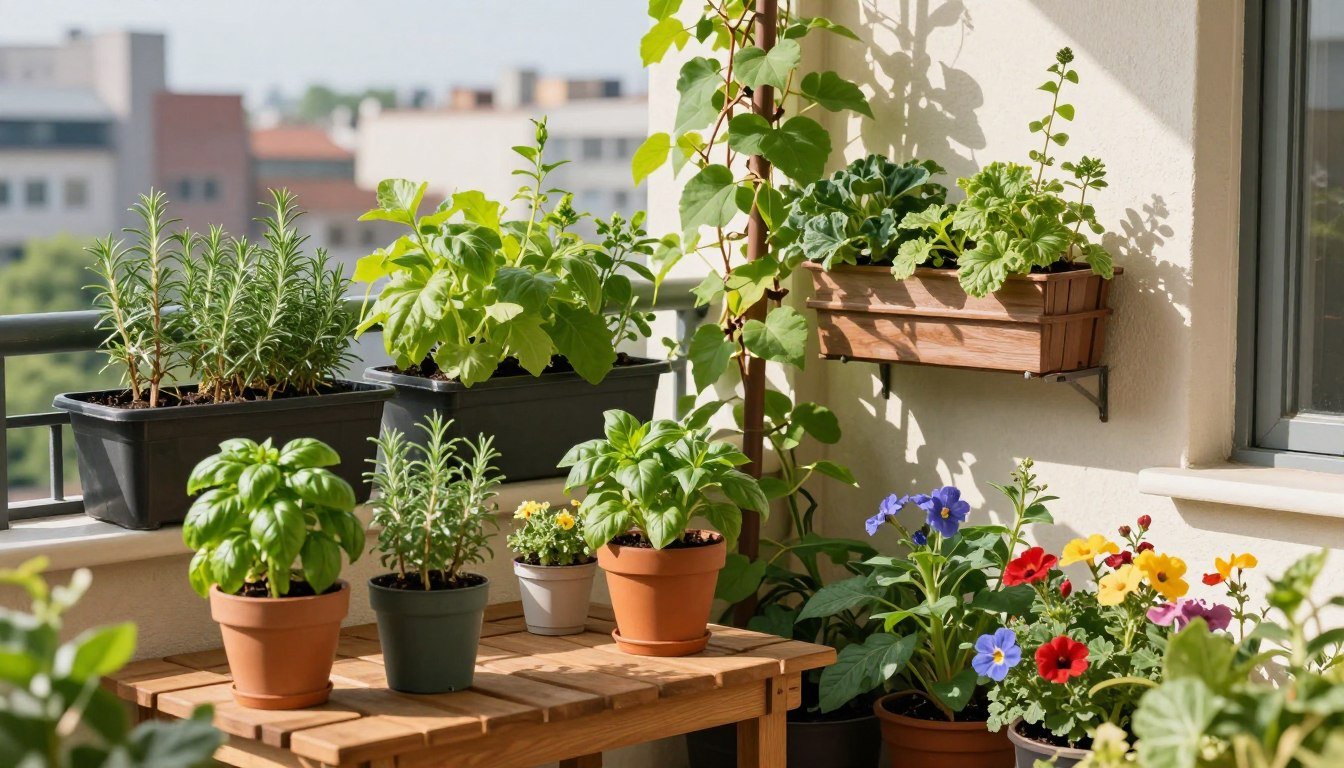
small space gardening
Measuring Sunlight Exposure Throughout the Day
Understanding the sunlight your garden receives is crucial. Most vegetables and flowers need at least 6 hours of direct sunlight per day. Observe your space throughout the day to determine the sun's path and intensity.
Checking Your USDA Hardiness Zone
Knowing your USDA Hardiness Zone helps you choose plants that will thrive in your local climate. Check the zone map to determine which plants are suitable for your area.
By carefully evaluating your space, understanding sunlight exposure, and knowing your hardiness zone, you can create a thriving urban garden even in the most limited spaces.
3. Selecting Containers, Soil, and Essential Supplies
The key to a successful urban garden lies in selecting the appropriate containers, soil, and tools. With the right supplies, you can create a thriving garden even in the most limited spaces.
Container Options That Maximize Your Space
Choosing the right container is crucial for urban gardening. Different types of containers offer various benefits.
Fabric Grow Bags
Fabric grow bags are a popular choice for urban gardeners. They are breathable, flexible, and promote healthy root growth. These bags are ideal for plants that require good drainage and aeration.
Stackable Planters and Vertical Systems
Stackable planters and vertical systems are perfect for maximizing space. They allow you to grow multiple plants in a small footprint, making them ideal for balconies or patios.
Self-watering containers are designed to reduce watering frequency. They have a built-in water reservoir that supplies plants with water as needed, making them perfect for busy gardeners.
Choosing the Right Potting Mix for Container Gardens
The potting mix is just as important as the container. A good potting mix should be well-draining, retain moisture, and provide essential nutrients.
Must-Have Tools for Urban Gardeners
Having the right tools can make gardening easier and more enjoyable. Essential tools include a trowel, pruning shears, watering can, and gloves.
4. Best Plants for Beginning Urban Gardeners
The key to a thriving urban garden lies in choosing plants that are easy to grow and maintain. As a beginner, it's essential to start with beginner-friendly plants that can thrive in a variety of conditions.
Foolproof Herbs That Thrive Anywhere
Herbs are a great starting point for urban gardeners. They are relatively low maintenance and can be used in a variety of dishes. Some of the most foolproof herbs include basil, mint, and cilantro. These herbs are not only easy to grow but also add fresh flavor to your cooking.
Easy-Growing Vegetables for Containers
Vegetables can be a bit more challenging to grow than herbs, but there are many varieties that are perfect for beginners. Container gardening is an excellent way to grow vegetables in small spaces.
Salad Greens and Lettuce Varieties
Salad greens and lettuce are some of the easiest vegetables to grow in containers. They require minimal care and can be harvested in as little as 20 days. Some popular varieties include loose-leaf lettuce, romaine, and arugula.
Cherry Tomatoes and Compact Pepper Plants
Cherry tomatoes and compact pepper plants are other excellent options for container gardens. They are relatively low maintenance and produce a high yield. Look for varieties like 'Patio' tomato and 'Thai Hot' pepper for compact growth.
Radishes and Baby Carrots
Radishes and baby carrots are quick-growing and can be harvested in as little as 20-30 days. They are perfect for adding some crunch to salads and other dishes.
Quick-Growing Microgreens and Sprouts
Microgreens and sprouts are young, nutrient-dense versions of herbs and vegetables. They are easy to grow and can be harvested in as little as 7-10 days. Some popular microgreens include broccoli, kale, and radish.
Companion Planting Tips for Small Spaces
Companion planting is the practice of growing different plants together to improve growth and reduce pests. In small spaces, companion planting can be especially beneficial. For example, planting marigolds with tomatoes can help deter nematodes, while basil can improve the flavor of nearby tomatoes.
5. Simple Care and Maintenance for Thriving Plants
To keep your urban garden thriving, it's essential to understand the basics ofplant care. Proper maintenance not only ensures the health of your plants but also maximizes your yield. In this section, we'll explore the critical aspects of caring for your urban garden.
Watering Schedules and Techniques
Watering is one of the most crucial aspects of plant care. Overwatering can be just as harmful as underwatering. To strike the right balance, check the soil moisture by inserting your finger into the soil up to the first knuckle. If the soil feels dry, it's time to water.
For most plants, watering once a day is sufficient, but this can vary based on the plant type, soil mix, and weather conditions. Using a drip irrigation system or soaker hose can help deliver water directly to the roots, reducing evaporation and runoff.
Feeding Your Container Plants
Fertilizing is another vital aspect of urban gardening. Since container plants have limited soil volume, they may require more frequent fertilization. Use a balanced, water-soluble fertilizer to provide your plants with the necessary nutrients.
It's also beneficial to incorporate fertilizing into your routine. For example, you can fertilize your plants once a week, adjusting the frequency based on the plant's response and the growing season.
Dealing with Common Pests Naturally
Urban gardens can be susceptible to pests, but there are natural ways to manage them. Inspect your plants regularly for signs of pests, and use organic pest control methods whenever possible. Neem oil, insecticidal soap, and diatomaceous earth are effective against a wide range of pests.
Encouraging beneficial insects, such as bees and ladybugs, can also help control pest populations naturally.
Harvesting and Pruning Best Practices
Regular harvesting and pruning are essential for maintaining the health and productivity of your plants. Harvesting at the right time encourages plants to continue producing. Pruning helps control the plant's shape, promotes healthy growth, and can increase yields.
For leafy greens and herbs, regular harvesting can stimulate the plant to produce more leaves. For flowering plants, removing spent blooms (deadheading) can encourage more flowers to form.
By following these simple care and maintenance tips, you can enjoy a thriving and productive urban garden.
Starting Your Urban Gardening Journey
Urban gardening offers numerous benefits, from enjoying fresh, organic produce to improving air quality and creating a peaceful green oasis in the midst of a bustling city. By following the simple steps outlined in this article, you can easily get started with urban gardening, even in limited spaces.
A well-planned urban garden can be a haven for relaxation and a source of fresh produce. To recap, evaluating your available growing space, selecting the right containers and soil, and choosing easy-to-grow plants are crucial steps in creating a thriving urban garden. By understanding the basics of urban gardening, you can enjoy the many urban gardening benefits that come with it.
As you begin your gardening journey, remember that getting started is the most important step. With the right mindset and a little practice, you'll be harvesting your own homegrown produce in no time. This gardening summary serves as a reminder that urban gardening is accessible to everyone, regardless of the size of their outdoor space.
FAQ
What are the benefits of urban gardening?
Urban gardening provides numerous benefits, including fresh, organic produce, improved air quality, and a peaceful green oasis in the city. It also helps reduce your carbon footprint and can be a great way to relax and unwind.
How do I get started with urban gardening in a small space?
To get started, evaluate your available growing space, measure sunlight exposure, and check your USDA Hardiness Zone. You can use containers, vertical systems, or indoor growing areas to maximize your space.
What type of containers are best for urban gardening?
You can use fabric grow bags, stackable planters, self-watering containers, or other creative containers that fit your space and needs. Make sure they have good drainage and are suitable for the plants you want to grow.
What plants are easy to grow for beginners?
Some easy-to-grow plants for beginners include herbs like basil and mint, vegetables like cherry tomatoes and leafy greens, and microgreens like pea shoots and radish greens. These plants are perfect for container gardens and can thrive in small spaces.
How often should I water my urban garden?
Watering schedules vary depending on the plants, containers, and weather conditions. Check the soil moisture regularly, and water when the top inch of soil feels dry. Avoid overwatering, which can lead to root rot and other problems.
How can I deal with pests in my urban garden?
To deal with pests naturally, use neem oil, insecticidal soap, or diatomaceous earth. You can also introduce beneficial insects, like ladybugs or lacewings, to your garden. Keep your garden clean, and remove any infested plants to prevent the problem from spreading.
Can I grow plants indoors?
Yes, you can grow plants indoors using indoor growing areas, like windowsills or grow lights. Choose plants that thrive in low-light conditions, like Chinese Evergreen or Pothos, or use grow lights to supplement the natural light.
What is companion planting, and how can it help my urban garden?
Companion planting involves growing different plants together to improve growth, health, or pest resistance. For example, planting marigolds with tomatoes can help deter nematodes. Research companion planting tips to create a harmonious and thriving garden ecosystem.