

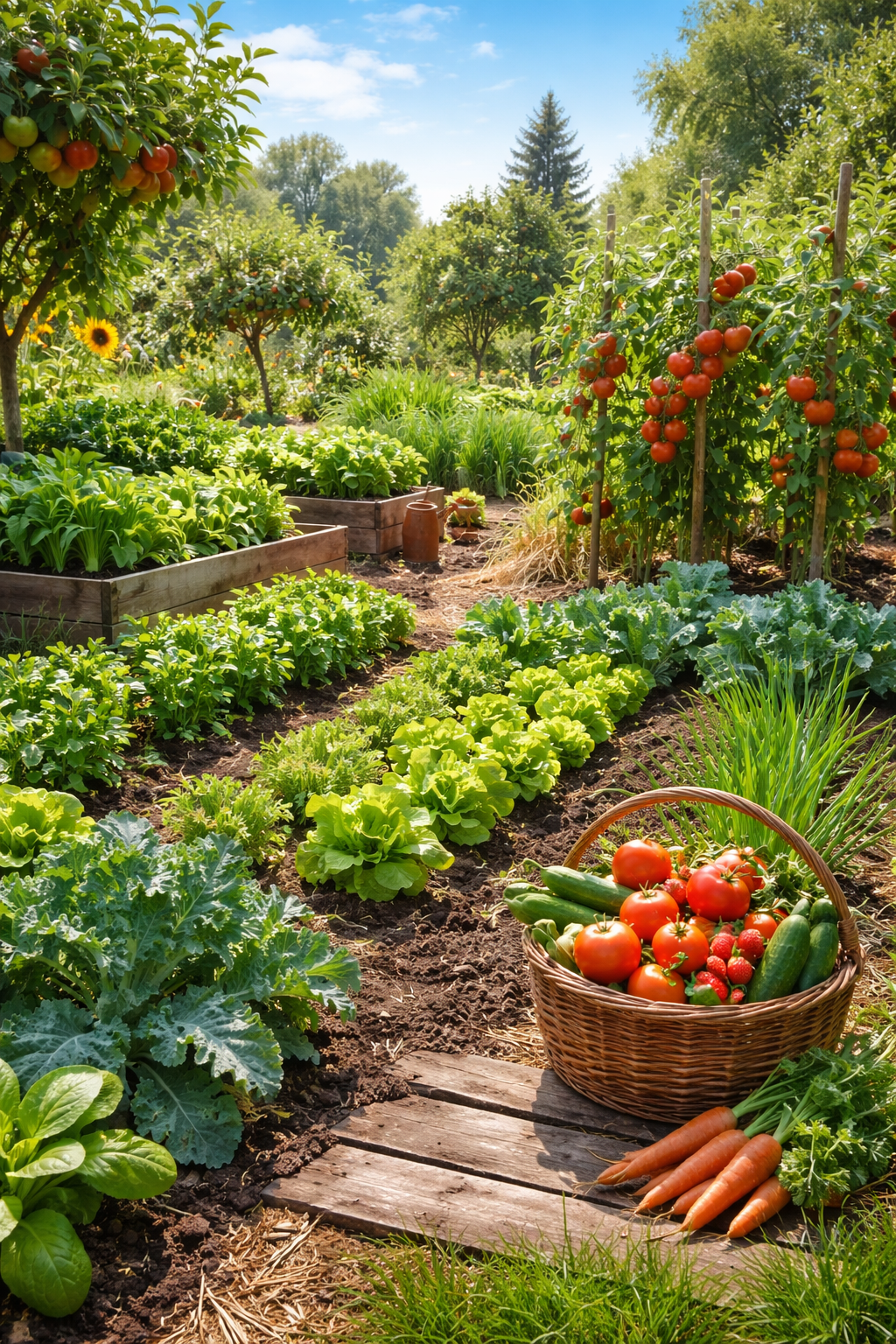
Planting vegetables and fruits has transformed from a traditional pastime into a powerful movement supporting healthier lifestyles and environmental responsibility. Across suburban neighborhoods, rural communities, and even urban rooftops, individuals are rediscovering the benefits of growing their own produce. What was once considered a hobby is now widely recognized as a practical solution to rising food costs, supply chain disruptions, and growing concerns about food quality.
Firstly, the appeal lies in freshness. Homegrown tomatoes, leafy greens, berries, and herbs often reach the kitchen within minutes of harvest. This not only enhances flavor but also preserves nutrients that may diminish during transportation and storage. Moreover, families gain greater control over pesticides, fertilizers, and farming methods used on their crops.
According to horticultural experts, the renewed interest in planting vegetables and fruits accelerated in recent years as households sought greater self-sufficiency. Gardening centers have reported increased sales of seeds, seedlings, and soil amendments, signaling a lasting shift rather than a temporary trend.
Why More People Are Growing Their Own Produce
The reasons behind this surge are both practical and personal. Economically, grocery prices have fluctuated significantly, placing pressure on household budgets. Growing staple crops such as tomatoes, cucumbers, peppers, spinach, and strawberries can meaningfully offset weekly food expenses.
In addition, health considerations play a central role. Nutritionists consistently emphasize the importance of consuming fresh fruits and vegetables daily. A home garden makes this goal more achievable. When produce is readily available just outside the door, families are more likely to incorporate it into meals.
Furthermore, planting vegetables and fruits provides mental health benefits. Gardening has been associated with reduced stress levels, improved mood, and increased physical activity. The simple act of tending soil, watering plants, and watching seedlings mature fosters a sense of accomplishment and connection to nature.
How to Start Planting Vegetables and Fruits Successfully
While gardening may appear straightforward, experts recommend thoughtful planning to ensure long-term success.
1. Choose the Right Location
Sunlight is essential. Most vegetables and fruits require at least six hours of direct sunlight daily. A well-drained area with fertile soil significantly improves yields. For urban dwellers, raised beds, balconies, and container gardening offer practical alternatives.
2. Focus on Soil Health
Healthy soil is the foundation of productive gardening. Adding compost, organic matter, and natural fertilizers enhances nutrient content and supports beneficial microorganisms. Soil testing can help determine pH levels and identify nutrient deficiencies before planting begins.
3. Select Seasonal Crops
Understanding local climate conditions is crucial. Cool-season crops such as lettuce and carrots thrive in early spring or fall, while warm-season plants like tomatoes and peppers require consistent warmth. Selecting appropriate varieties ensures stronger growth and higher harvests.
4. Water Wisely
Consistent irrigation supports healthy development; however, overwatering can damage roots. Drip irrigation systems and mulching help conserve water while maintaining soil moisture levels.
The Rise of Urban and Community Gardens
Urban centers are increasingly embracing planting vegetables and fruits as part of sustainability initiatives. Community gardens provide shared spaces where residents can cultivate crops collectively. These projects not only supply fresh produce but also strengthen neighborhood bonds.
In many cities, rooftop gardens and vertical farming systems are being introduced to maximize limited space. Schools are also incorporating gardening programs into their curricula, teaching students about nutrition, ecology, and food systems.
Environmental advocates highlight that localized food production reduces transportation emissions. When produce travels shorter distances from garden to table, the carbon footprint decreases significantly. In addition, diverse home gardens encourage pollinators such as bees and butterflies, supporting broader ecosystem health.
Expert Insights on Sustainable Gardening
Agricultural specialists emphasize sustainable practices to ensure that planting vegetables and fruits benefits both individuals and the environment.
Crop rotation, for example, prevents soil nutrient depletion and reduces pest buildup. Natural pest control methods—such as introducing beneficial insects or using organic sprays—minimize chemical exposure. Rainwater harvesting systems further enhance sustainability by reducing reliance on municipal water supplies.
“Home gardening empowers people to reconnect with their food sources,” notes one horticulture researcher. “It promotes healthier diets, stronger communities, and a deeper understanding of environmental stewardship.”
Statistics from various agricultural surveys indicate that small-scale gardens can produce substantial yields relative to their size. A well-maintained 100-square-foot garden, for instance, can generate dozens of pounds of produce throughout a growing season. This efficiency demonstrates how even modest efforts can deliver meaningful results.
Challenges and Considerations
Despite its many advantages, planting vegetables and fruits requires time, patience, and consistent care. Beginners may encounter issues such as pests, unpredictable weather, or inconsistent yields. However, gardening communities—both local and online—provide guidance and support.
Additionally, climate variability presents new challenges. Heatwaves, droughts, and heavy rainfall can disrupt planting schedules. Experts recommend selecting resilient plant varieties and implementing protective measures such as shade cloths or wind barriers when necessary.
Nevertheless, many gardeners view these obstacles as learning opportunities rather than deterrents. With experience, individuals often refine their techniques and expand their gardens year after year.
Looking Ahead: A Sustainable Future Rooted in Soil
Overall, planting vegetables and fruits represents more than a seasonal activity—it reflects a broader commitment to sustainability, wellness, and community resilience. As awareness grows about food security and environmental impact, home gardening is expected to remain a significant trend.
Municipal governments and environmental organizations continue to promote green spaces, urban agriculture, and educational initiatives that encourage residents to cultivate their own food. The long-term impact could be transformative: healthier populations, reduced environmental strain, and stronger local food networks.
Ultimately, the simple act of placing seeds into soil carries powerful implications. It connects individuals to natural cycles, reinforces self-reliance, and fosters appreciation for the resources that sustain daily life. In a rapidly changing world, planting vegetables and fruits offers stability, nourishment, and hope—one garden at a time.
Conclusion
In conclusion, planting vegetables and fruits is far more than a seasonal activity—it is a practical response to modern challenges surrounding health, food security, and environmental sustainability. As households seek fresher produce, greater self-sufficiency, and reduced grocery expenses, home gardening offers a reliable and rewarding solution. Moreover, the environmental benefits—from lowering food transportation emissions to supporting pollinators and improving soil health—underscore its broader impact.
Although successful gardening requires planning, patience, and ongoing care, the long-term rewards significantly outweigh the initial effort. With proper soil management, seasonal crop selection, and sustainable practices, even small garden spaces can yield impressive harvests. Community initiatives and urban agriculture projects further demonstrate that planting vegetables and fruits is not limited by geography or space—it is accessible to nearly everyone.
Ultimately, this growing movement reflects a deeper shift toward conscious living and responsible consumption. By cultivating fruits and vegetables at home, individuals strengthen their connection to nature, improve their well-being, and contribute to a more resilient food system. As interest continues to expand, planting vegetables and fruits is poised to remain a cornerstone of healthier lifestyles and sustainable communities for years to come.