

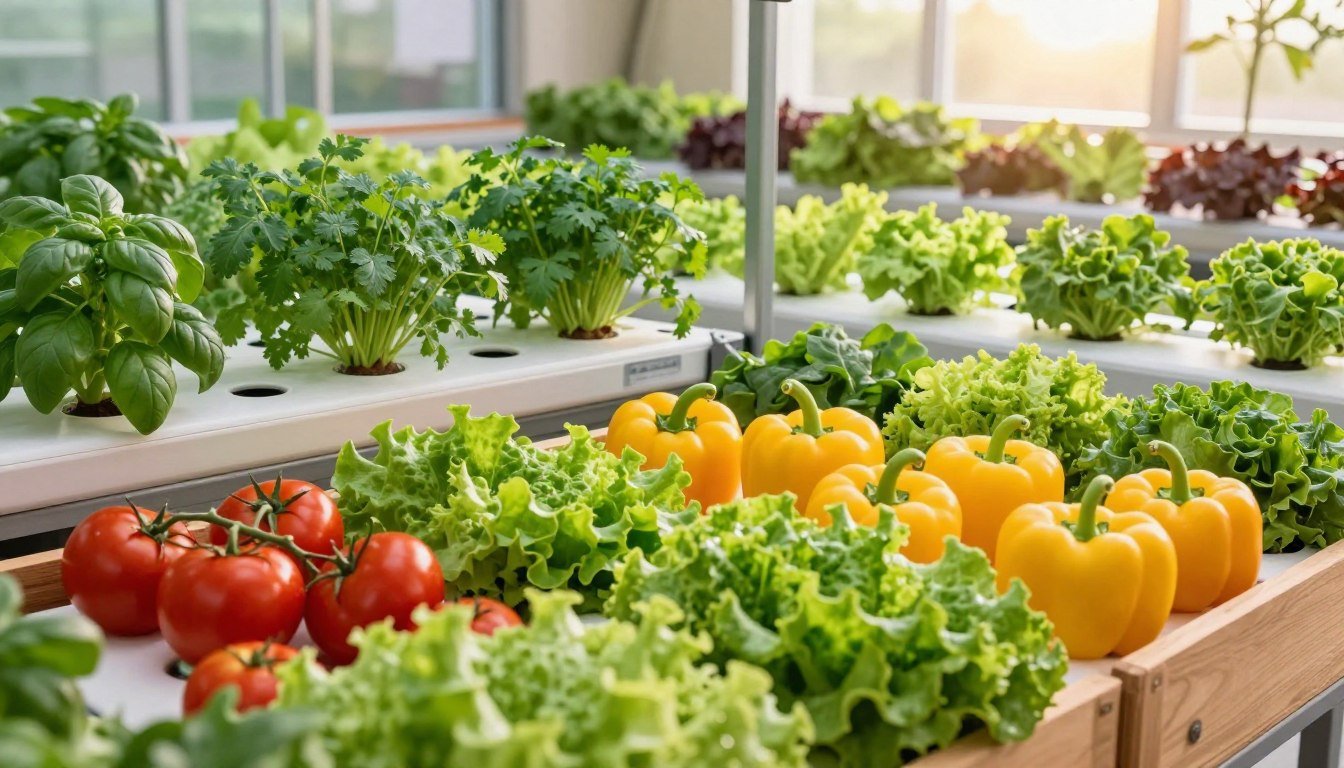
Welcome to the world of indoor gardening, where you can grow fresh produce right in the comfort of your own home. This revolutionary approach to gardening allows you to cultivate a wide variety of fruits, vegetables, and herbs, regardless of the season or your location.
By setting up your own urban indoor farm, you can enjoy the benefits of having fresh, healthy produce at your fingertips. In this article, we'll explore the key components and best practices for creating a thriving indoor garden, making it easy to get started, even if you're new to gardening.
Why Start an Urban Indoor Farm in Your Home
Starting an urban indoor farm is a step towards a healthier, more sustainable lifestyle. By cultivating your own produce, you can enjoy a multitude of benefits that enhance your overall wellbeing and contribute to a more environmentally friendly way of living.
Health Benefits of Homegrown Produce
Growing your own fruits and vegetables indoors means you'll have access to fresher, healthier food. Homegrown produce is rich in nutrients and free from pesticides, making it an excellent choice for those looking to improve their diet. Moreover, having a steady supply of fresh produce can encourage healthier eating habits.
Cost Savings and Sustainability
Urban indoor farming is not only beneficial for your health but also for your wallet and the environment. By growing your own food, you can significantly reduce your grocery bills. Additionally, indoor farming is a sustainable practice that minimizes the need for large areas of land, water, and other resources associated with traditional farming methods.
Year-Round Growing Regardless of Climate
One of the most significant advantages of urban indoor farming is the ability to grow produce year-round, regardless of the external climate or season. This means you can enjoy your favorite fruits and vegetables 365 days a year, without being limited by weather conditions or geographical location.
Essential Components for Your Urban Indoor Farm
A well-designed urban indoor farm relies on the right combination of essential components. To get started, you'll need to consider several key elements that will help your plants thrive in an indoor environment.
Lighting Systems for Indoor Growing
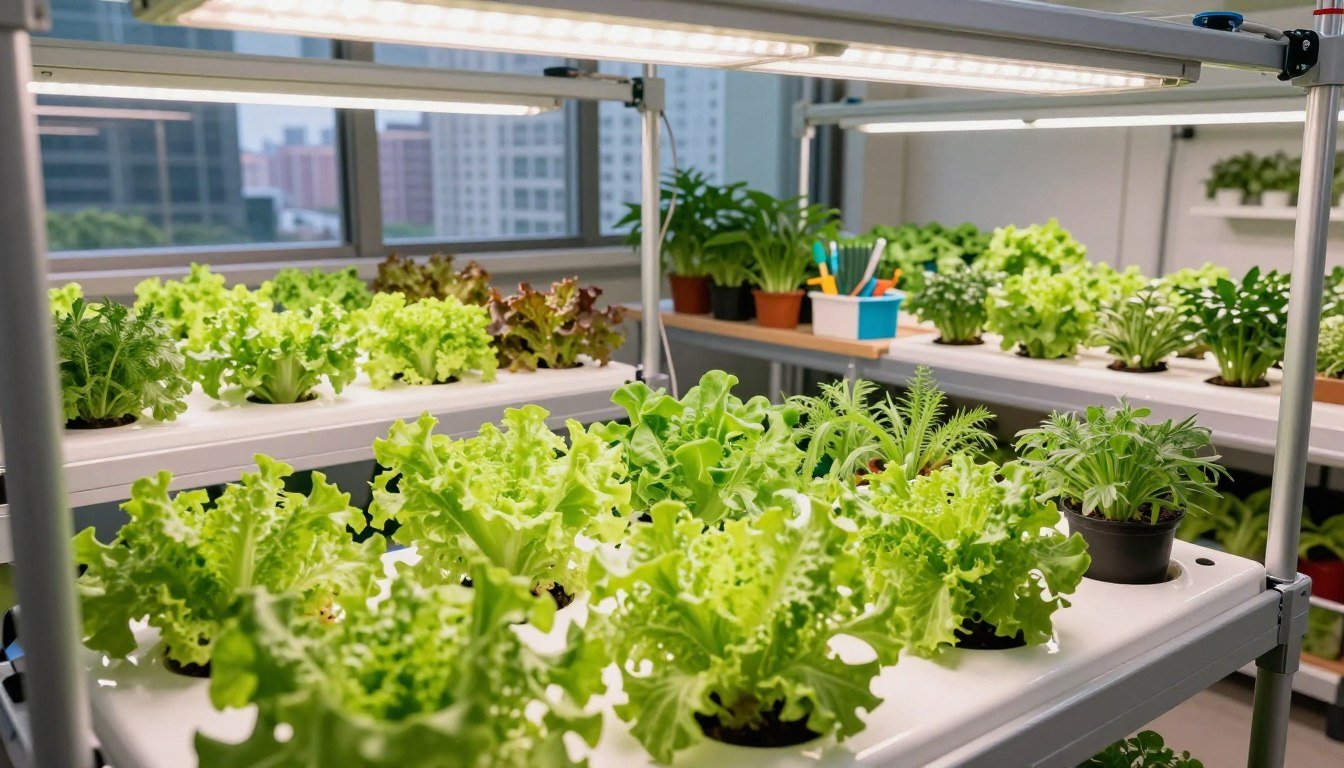
Lighting is one of the most critical components of an urban indoor farm. Without sufficient light, your plants won't be able to undergo photosynthesis, which is essential for their growth. There are several lighting options available, each with its own advantages.
LED Grow Lights
LED grow lights are a popular choice for indoor growing due to their energy efficiency and long lifespan. They emit a specific spectrum that promotes healthy plant growth and can be tailored to meet the needs of different crops.
Fluorescent Options
Fluorescent lighting, including T5 and T8 systems, is another viable option for indoor growing. These lights are often less expensive than LED grow lights and still provide a good spectrum for plant growth.
Growing Mediums and Containers
The growing medium and container you choose will also play a crucial role in the success of your urban indoor farm. Options include soil, coco coir, and hydroponic systems, each with its own benefits and drawbacks.
Temperature and Humidity Control
Maintaining the right temperature and humidity levels is vital for creating an optimal growing environment. Most plants prefer daytime temperatures between 65-75°F and nighttime temperatures around 55-65°F. Humidity levels should be kept between 40-60% to prevent water stress and promote healthy growth.
Choosing the Right Indoor Growing System
The right indoor growing system can make all the difference in the productivity and health of your indoor crops. With several options available, it's essential to understand the unique benefits and challenges of each system to make an informed decision.

Hydroponic Systems
Hydroponic systems are highly efficient and productive, allowing plants to grow in a nutrient-rich solution rather than soil. This method enables precise control over nutrient levels, resulting in faster growth rates and higher yields. Hydroponics is ideal for leafy greens and herbs, which thrive in water-based environments.
One of the significant advantages of hydroponics is its water efficiency. Since the nutrient solution is recirculated, it uses significantly less water compared to traditional soil-based gardening. However, hydroponic systems require a higher initial investment and more technical knowledge to manage nutrient levels and pH balances effectively.
Soil-Based Container Gardens
Soil based container gardens offer a more traditional approach to indoor gardening. This method is familiar to many gardeners and can be just as rewarding as hydroponics. Using high-quality potting soil and containers with good drainage, you can grow a wide variety of plants, including compact vegetables and flowering plants.
Soil-based gardening allows for more flexibility in terms of plant selection and requires less technical knowledge compared to hydroponics. However, it may not be as water-efficient, and soil quality can degrade over time if not properly managed.
Aeroponic and Aquaponic Options
Aeroponic and aquaponic systems provide additional alternatives for indoor gardening. Aeroponics involves suspending plant roots in the air and misting them with a nutrient-rich solution. This method promotes healthy root growth and can be highly water-efficient.
Aquaponics combines hydroponics with fish or other aquatic animals, creating a symbiotic system where plants and animals benefit from each other. Aquaponics is a sustainable option that can provide both fresh produce and protein-rich food. However, it requires careful management of both plant and animal health.
When choosing an indoor growing system, consider factors such as space, budget, and the type of plants you wish to grow. Each system has its unique advantages and challenges, and understanding these will help you make the best choice for your urban indoor farm.
Best Plants for Your Urban Indoor Farm
The world of urban indoor farming is diverse, with numerous options for the types of plants you can cultivate. This diversity allows you to experiment with a variety of crops, ensuring a continuous harvest and a fascinating growing experience.
Leafy Greens and Herbs
Leafy greens like lettuce, kale, and spinach are ideal for indoor farming. They are easy to grow, can be harvested in as little as 2-3 weeks, and can be grown continuously. Herbs such as basil, cilantro, and parsley also thrive in indoor conditions and can add fresh flavor to a variety of dishes.
Compact Vegetables
Compact or dwarf varieties of vegetables, such as cherry tomatoes and peppers, are well-suited for indoor growing. These plants are bred to be compact, produce high yields, and can thrive in containers. They require a bit more care than leafy greens but can be very rewarding.
Microgreens and Sprouts
Microgreens and sprouts are young, nutrient-dense versions of leafy greens and other vegetables. They are harvested within 1-3 weeks of germination and can add a burst of flavor and nutrition to salads, sandwiches, and other dishes. Microgreens like arugula, radish, and pea shoots are particularly popular.
By choosing the right plants for your urban indoor farm, you can enjoy a bountiful harvest and add some greenery to your home. The key is to select plants that are well-suited to indoor growing conditions and to provide them with the care they need.
Setting Up Your Space for Maximum Productivity
To get the most out of your urban indoor farm, setting up your space efficiently is crucial. This involves several key considerations to ensure that your plants thrive and that you maximize your yield.
Selecting the Ideal Location
The first step in setting up your indoor farm is selecting the ideal location. This involves considering factors such as light availability, temperature stability, and accessibility. Most plants require adequate light to photosynthesize, so placing your farm near a window or using grow lights is essential.
Temperature stability is also crucial, as most plants prefer daytime temperatures between 65-75°F and nighttime temperatures around 55-65°F. Ensure that your chosen location is away from drafts and extreme temperature fluctuations.
Maximizing Vertical Space
One of the key advantages of indoor gardening is the ability to maximize vertical space. Using vertical gardening systems or trellises, you can grow more plants in a smaller footprint. This not only saves space but also increases your overall yield.
When maximizing vertical space, consider using wall-mounted planters or tiered shelving units. These systems allow you to stack plants on top of each other, making the most of your ceiling height.
Creating an Efficient Layout
Creating an efficient layout is vital for the success of your urban indoor farm. This involves arranging your plants and equipment in a way that maximizes space and promotes healthy growth.
Consider the mature size of your plants when planning your layout. Ensure that they have enough space to grow without overcrowding, which can lead to disease and pest issues.
By carefully planning your layout, you can create a thriving and productive indoor garden that provides you with fresh produce all year round.
Daily Care and Maintenance Tips
Daily care and maintenance are the backbone of a successful urban indoor farm, ensuring your plants receive what they need to flourish. A well-maintained indoor farm not only produces healthier crops but also contributes to sustainable gardening practices.
Watering and Nutrient Management
Proper watering is crucial for the health of your plants. Overwatering can lead to root rot, while underwatering can cause stress, reducing plant growth. It's essential to monitor the moisture levels of your growing medium and adjust your watering schedule accordingly.
Nutrient management is equally important. The nutrient solution should be balanced and tailored to the specific needs of your plants. Regularly check the pH levels and adjust the nutrient solution to ensure optimal nutrient uptake.
Pest Prevention in Indoor Environments
Pests can be a significant problem even in indoor environments. Regularly inspect your plants for signs of pests, such as spider mites, mealybugs, or aphids. Implementing pest prevention measures, like using neem oil or insecticidal soap, can help control infestations before they become severe.
Maintaining a clean growing area and ensuring good air circulation around your plants can also help prevent pest issues.
Harvesting for Continuous Production
Harvesting your crops regularly is vital for encouraging continuous production. For leafy greens and herbs, harvesting the outer leaves allows the inner leaves to continue growing. For other plants, harvesting at the right time ensures the best flavor and texture.
By adopting these daily care and maintenance tips, you can enjoy a bountiful harvest from your urban indoor farm while practicing sustainable gardening.
Conclusion
As we've explored, setting up an urban indoor farm is a rewarding and sustainable way to cultivate fresh produce at home. By understanding the benefits and best practices of indoor gardening, you can create a thriving garden that provides a bountiful harvest year-round.
Embracing urban indoor farming not only improves your health by providing access to fresh, nutritious produce but also contributes to a more sustainable gardening practice. With the right knowledge and a little practice, you'll be enjoying the fruits of your labor in no time.
Whether you're a seasoned gardener or just starting out, an urban indoor farm is an excellent way to take control of your food production. By incorporating sustainable gardening methods, you can reduce your environmental impact while enjoying the many benefits of homegrown produce.