

Maximizing small spaces can feel like a challenge, but with the right approach, even the tightest areas can be transformed into something both functional and visually appealing. One of the most clever and affordable solutions today involves using PVC pipes in innovative ways. These versatile materials are not only budget-friendly but also incredibly adaptable, making them perfect for creating storage, furniture, and décor that fit perfectly into limited spaces. In this guide, you’ll discover smart and creative ideas for maximizing small spaces with PVC pipes, helping you turn every inch of your home into something practical, organized, and stylish.
The Concept of Vertical PVC Hydroponics
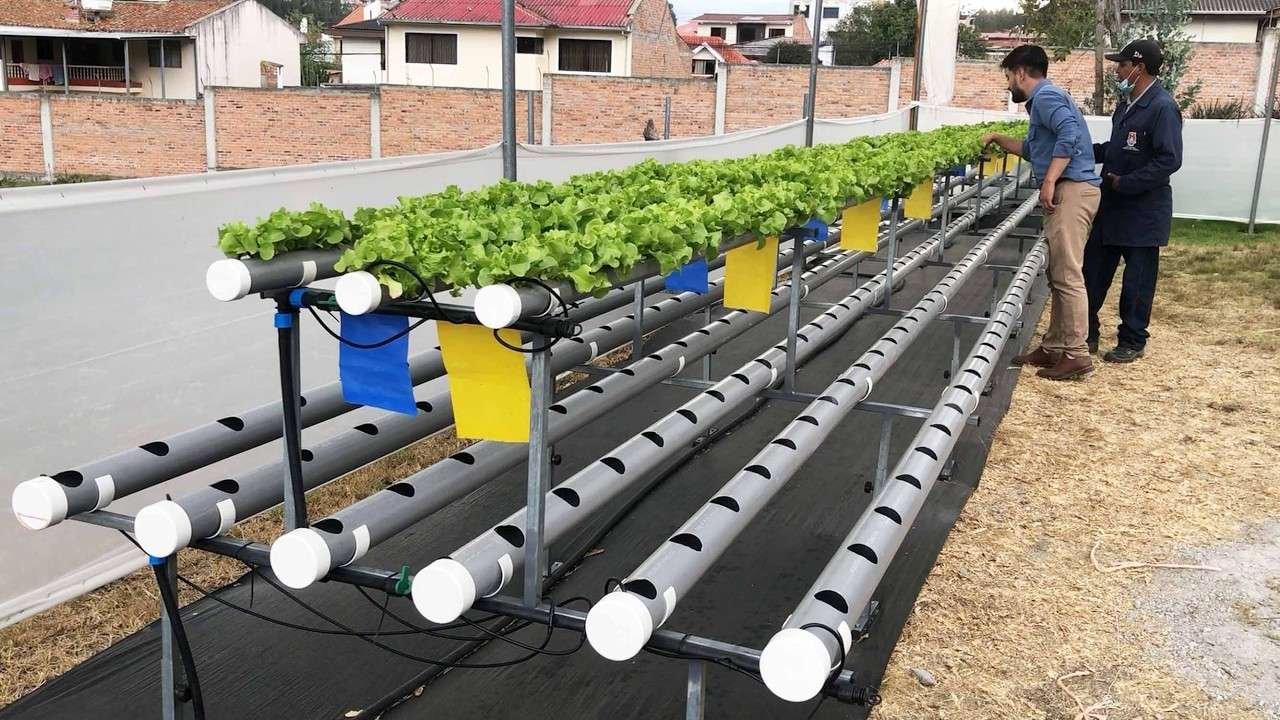
The core of this "brilliant idea" is the use of verticality. Traditional soil gardening is horizontal, meaning every plant requires its own square footage of ground. In a vertical PVC system, pipes are arranged in a tiered or A-frame structure, allowing you to stack rows of plants on top of each other.
By using the Nutrient Film Technique (NFT), a thin film of nutrient-rich water flows constantly over the roots of the lettuce inside the pipes. This constant access to oxygen and minerals leads to growth rates that are significantly faster than soil-based methods, often resulting in harvest-ready lettuce in just 4 to 6 weeks.
Essential Materials for Your 1,000-Lettuce System
To build a system of this scale, you need a balance of structural integrity and functional hydroponic components.
- PVC Pipes (3-inch or 4-inch): These serve as the "gutters" where the lettuce grows.
- A-Frame Support Structure: Usually built from wood, metal, or larger PVC pipes to hold the weight of the water and plants.
- Submersible Pump: To move the nutrient solution from the reservoir to the top of the pipes.
- Nutrient Reservoir: A large, opaque tank (usually 50–100 gallons for a system this size) to hold the water.
- Net Pots and Growing Media: Small plastic baskets and inert media like clay pebbles or rockwool to hold the seedlings.
- Manifold and Tubing: To distribute the water evenly to each pipe.
Design and Assembly
The A-frame design is popular because it provides excellent stability and ensures that every plant gets adequate sunlight. The pipes are mounted at a slight incline (about a 1-2% slope) so that gravity can pull the water from the high end to the low end.
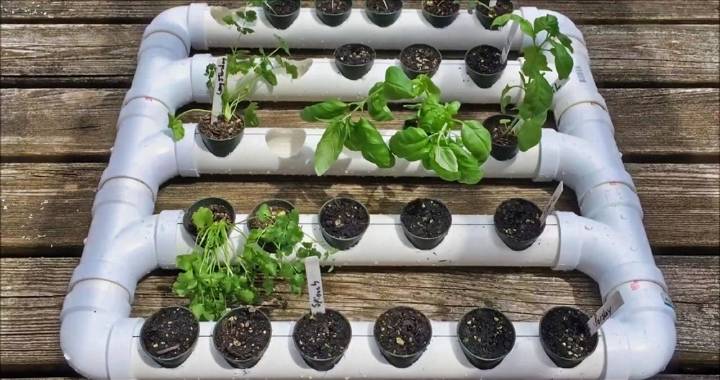
At the end of each pipe, a return manifold collects the water and sends it back down into the reservoir. This closed-loop system is what makes hydroponics so water-efficient; the only water lost is through evaporation or plant transpiration. For a system aimed at 1,000 plants, you would typically have multiple A-frames or a very long single structure with several levels of piping.
Seedling Preparation and Planting
Success starts with healthy seedlings. Lettuce seeds are usually germinated in rockwool cubes or sponges. Once the seedlings have their first "true leaves" and visible roots, they are placed into the net pots.
The net pots are then dropped into pre-drilled holes in the PVC pipes. It is crucial that the holes are spaced correctly—usually about 6 to 8 inches apart—to allow the lettuce heads to expand without crowding each other. Crowding can lead to poor air circulation, which increases the risk of fungal diseases.
Maintaining the Nutrient Solution
In a system with 1,000 plants, the nutrient balance is the most critical factor. You must regularly monitor:
- pH Levels: Lettuce thrives in a pH range of 5.5 to 6.5. If the pH drifts too high or too low, the plants cannot absorb nutrients.
- EC/PPM (Electrical Conductivity): This measures the strength of your nutrient solution. High-production systems require frequent top-offs of mineral salts as the plants "drink" the nutrients.
- Water Temperature: If the water in the PVC pipes gets too hot (above 75°F/24°C), the oxygen levels drop, which can lead to root rot. Using white PVC pipes helps reflect sunlight and keep the internal temperature cooler.
Pest Management and Hygiene
One of the biggest advantages of growing in PVC pipes is the absence of soil-borne pests. However, aphids and whiteflies can still find their way to your greens. Because the system is elevated, it is much easier to inspect the plants and apply organic treatments like neem oil.
Furthermore, because there is no soil, the harvest is incredibly clean. You can simply pull the net pot out of the pipe, trim the roots, and you have a grocery-store-quality head of lettuce that requires minimal washing.
Conclusion
Building a vertical PVC hydroponic system is an investment in both time and resources, but the payoff is unparalleled. Whether you are aiming for household self-sufficiency or looking to start a small-scale commercial venture, the ability to grow 1,000 lettuces in a confined space is a testament to the power of modern gardening "hacks." By mastering the A-frame design and keeping a close eye on your nutrient chemistry, you can enjoy a perpetual harvest of fresh, crunchy greens regardless of your land size.
For a visual walkthrough of the assembly, watch the full guide: Idea brillante | Cómo cultivar 1000 lechugas en tubos de PVC by AQUA Payana.