

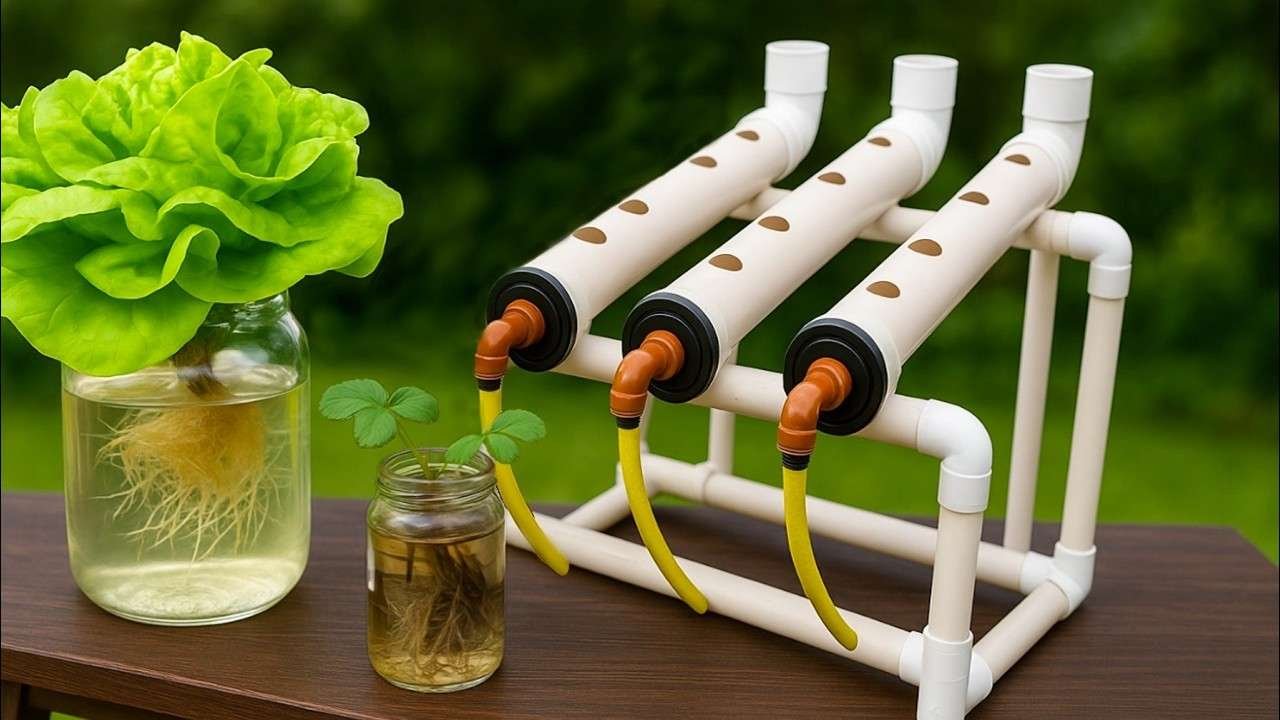
Growing your own fresh produce doesn't require a backyard or a green thumb; in fact, it doesn't even require soil. Easy hydroponics at home has transformed from a niche hobby for scientists into an accessible, rewarding project for anyone with a little bit of windowsill space. By delivering nutrients directly to the plant's roots via water, you can achieve faster growth rates and higher yields in a fraction of the space used by traditional gardening. Whether you’re looking to harvest crisp lettuce for your salads or fragrant basil for your pasta, setting up a beginner-friendly system is a straightforward way to enjoy a year-round harvest from the comfort of your kitchen.
Choosing the Right Nutrient Solution
The type of solution you need depends heavily on what you plan to grow. If you are focusing on leafy greens like lettuce or basil, you need a solution high in nitrogen to promote leaf development. However, for fruiting plants like strawberries or tomatoes, the requirements change. While they need nitrogen during the initial growth phase, they require a different balance once they begin to flower and produce fruit. Most commercial solutions are divided into two parts: Solution A contains macronutrients like nitrogen, phosphorus, and potassium, while Solution B provides essential micronutrients. Mixing these creates a balanced "diet" for your plants.
Why pH Balance is Critical
The pH level of your water is a deciding factor in whether your plants can actually absorb the nutrients you provide. For hydroponics, the ideal range is between 5.5 and 6.5. If the water is too acidic or too alkaline, nutrients become "locked out," meaning the plant cannot absorb them even if they are present in the water. You can easily monitor this using pH test strips or digital meters. If your pH is off, you can use specialized "pH Up" or "pH Down" regulators—alkaline or acidic solutions—to bring the water back to the optimal range.
Understanding Electrical Conductivity (EC)
Electrical Conductivity (EC) measures the concentration of salts and minerals in your water, which tells you how much "food" is available for your plants. A digital EC meter works by sending an electrical current between two electrodes; the more nutrients in the water, the faster the current travels. For young lettuce plants, an EC of 0.8 to 1.0 is sufficient, but as they grow larger and consume more, you should increase this to between 1.5 and 1.8. Checking these levels two to three times a week ensures your plants never run out of nutrients during their peak growth stages.
The Importance of Water Quality
The best starting point for any hydroponic system is water with the lowest possible mineral content. Pure water, such as rainwater or distilled water, has an EC near zero, providing a "blank canvas" for your nutrient solutions. This ensures that the only minerals your plants receive are the ones you've specifically chosen for them. If you must use tap water with high mineral content, consider mixing it with rainwater to dilute the existing salts before adding your hydroponic solutions.
Oxygenation and Water Circulation
In horizontal hydroponic systems where roots are constantly submerged, oxygen is vital. Stagnant water can lead to root rot and wilting plants. To prevent this, ensure your water is recirculating at a rate of approximately 1.5 to 2 liters per minute. This constant movement not only aerates the water, providing much-needed oxygen to the roots, but also helps distribute minerals evenly so that every plant in the system receives the same amount of nutrition.
Conclusion of Easy Hydroponics at Home
By mastering the balance of pH, monitoring your EC levels, and ensuring proper oxygenation, you can create a highly productive garden in any small space. Easy hydroponics at home is about controlling the environment to give your plants exactly what they need to thrive.
Source: Cómo Preparar el Agua Para tu Sistema de Hidroponia by MiradasBiologicas.