

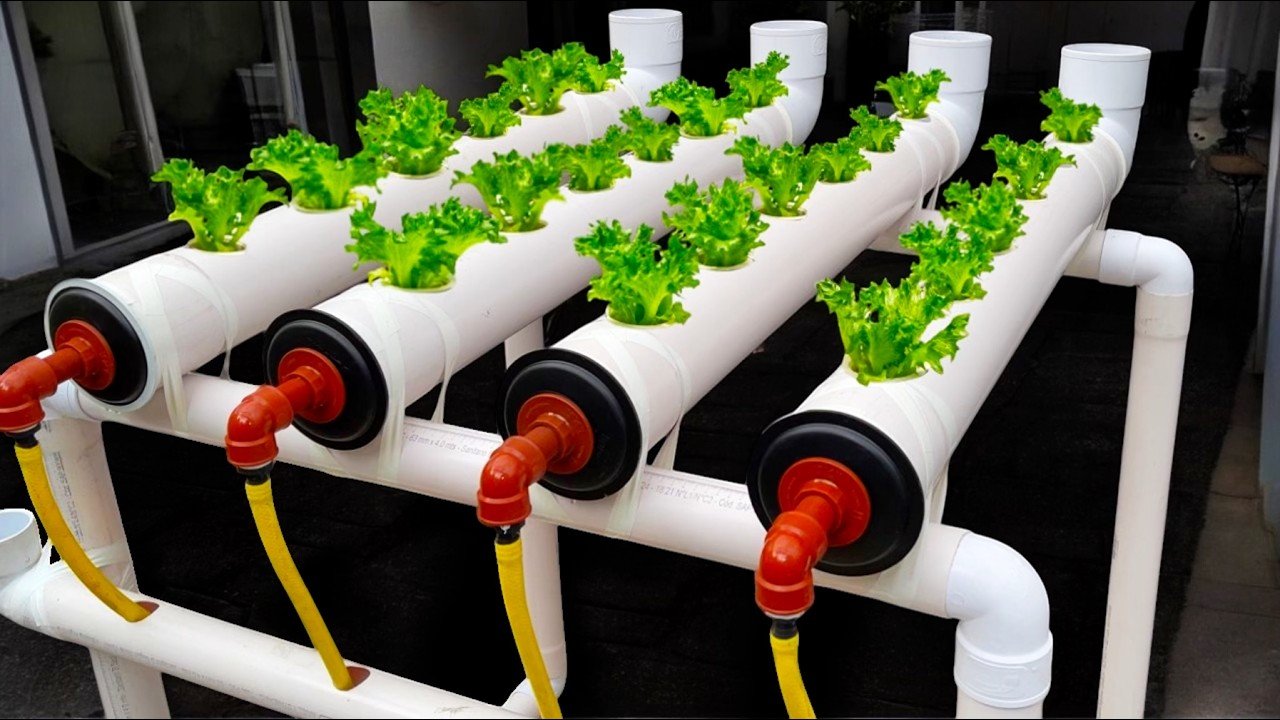
Growing your own fresh produce doesn't require a backyard or a green thumb; in fact, it doesn't even require soil. Easy hydroponics at home has transformed from a niche hobby for scientists into an accessible, rewarding project for anyone with a little bit of windowsill space. By delivering nutrients directly to the plant's roots via water, you can achieve faster growth rates and higher yields in a fraction of the space used by traditional gardening. Whether you’re looking to harvest crisp lettuce for your salads or fragrant basil for your pasta, setting up a beginner-friendly system is a straightforward way to enjoy a year-round harvest from the comfort of your kitchen.
Would you like me to help you choose the best starter kit or list the essential materials you'll need to build your first system?
In this article, we’ll break down the essentials of home hydroponics, inspired by the expert techniques from MiradasBiologicas.
4 steps Easy hydroponics at home
1. Preparing Your Plants for Hydroponics
Before placing plants in your system, they need the right support and hydration.
Choosing the Right Containers
While professional hydroponic pots are durable, they can be expensive. You can replace them with small, economical plastic cups. Simply drill a large hole in the bottom to allow the roots to pass through.
The Transplanting Process
- Stay Hydrated: Always work with seedlings in a tray of water or nutrient solution. If the roots dry out during the transplanting process, the plant will suffer from stress and delayed growth.
- Support with Synthetic Fiber: Use a synthetic fiber (like quilt batting or "guata") to wrap around the base of the plant. This holds the plant steady in the cup while allowing roots to dangle freely into the water.
- Protect New Growth: Ensure that any new, small leaves are above the fiber wrap so they aren't trapped or damaged.
2. Managing Water Quality: The Two Golden Rules
To keep your plants healthy, you must monitor two critical factors: pH and Electrical Conductivity (EC).
Why pH Matters
The pH level determines which nutrients the plant can actually "eat." For most leafy greens (like lettuce), aim for a pH between 5.5 and 6.0. If the water becomes too acidic or too alkaline, essential nutrients like nitrogen, phosphorus, and potassium become "locked" and unavailable to the plant, even if they are present in the water. Use affordable pH test strips for a quick and easy reading.
Understanding Electrical Conductivity (EC)
EC measures the concentration of salts (nutrients) in the water. For lettuce, a reading of 1.3 to 1.5 mS/cm is generally ideal. If your EC meter shows a lower reading, it means the plants have consumed the nutrients, and you need to add more mineral salts. Ideally, start with water that has a reading as close to zero as possible, such as rainwater.
3. Preparing the Nutrient Solution
Hydroponic nutrients are typically split into two parts:
- Solution A (Macronutrients): Contains essential elements like Nitrogen (N), Phosphorus (P), and Potassium (K).
- Solution B (Micronutrients): Provides the trace elements necessary for robust growth.
Storage Tip: Keep your concentrated A and B solutions in the refrigerator to preserve them for longer. Always follow the specific dilution instructions on the label before adding them to your main reservoir.
4. Pro-Hacks for Rapid Growth
- Basil Propagation: You can grow fresh basil from store-bought bundles or cuttings. Strip the bottom leaves, place the stems in your system, and they will root incredibly fast.
- Safety First: Always unplug your circulation pump before handling the water or plants to avoid any electrical risks.
- Root Contact: When placing a new plant in the tube, check to ensure the base of the plant is actually touching the water stream.
Conclusion
By mastering pH levels and nutrient concentration, you can turn a small space into a high-yielding vegetable garden. With simple tools like plastic cups and synthetic fiber, home hydroponics is accessible to everyone.
Would you like me to help you create a shopping list for the basic tools mentioned here?