

Urban gardening offers city dwellers the opportunity to grow fresh produce and create green spaces amidst concrete surroundings. However, beginners often encounter pitfalls that can hinder their gardening success. In this article, we'll explore seven common mistakes in urban gardening and provide practical solutions to help you cultivate a flourishing garden.
List of common mistakes in urban gardening
1. Overcrowding Plants
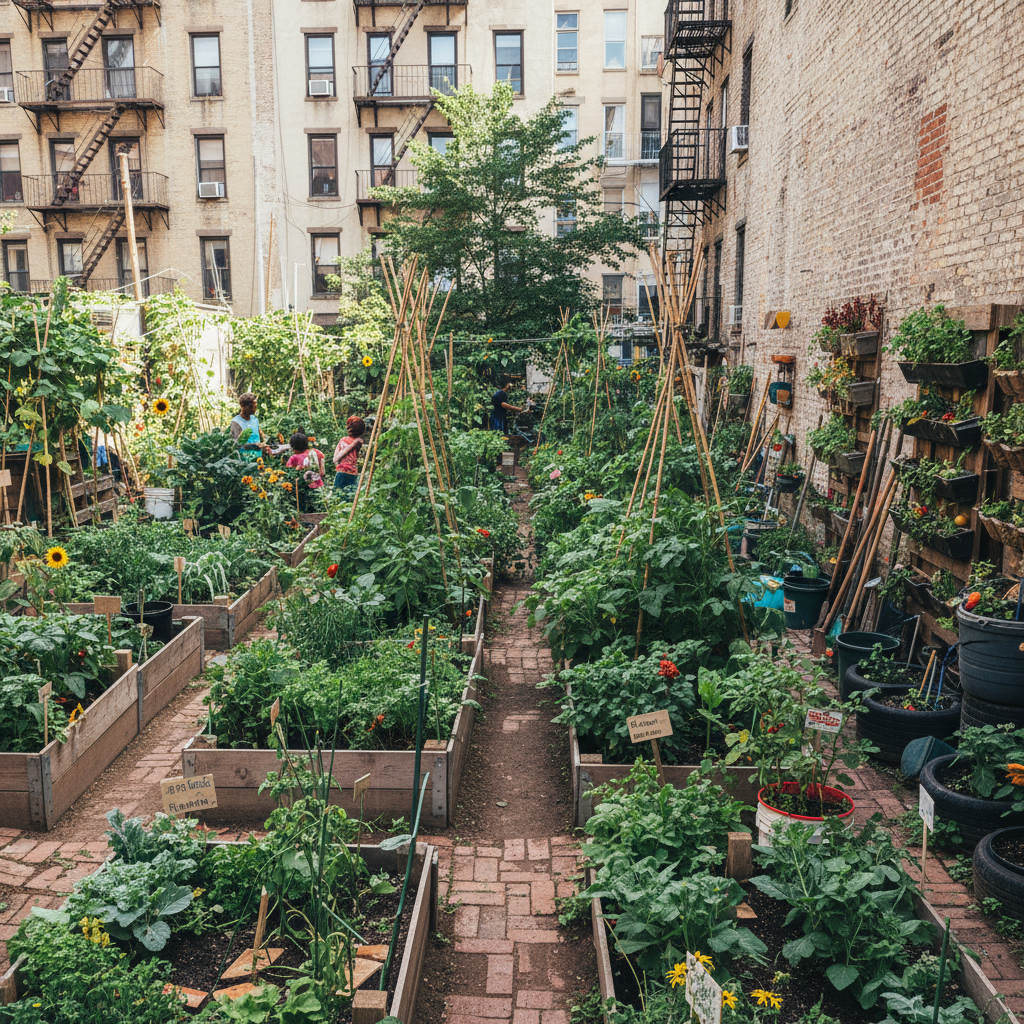
One of the most frequent errors in urban gardening is planting too many species in a confined space. Overcrowding restricts airflow, reduces sunlight exposure, and increases competition for nutrients and water, leading to stressed plants and diminished yields.
Solution:
- Follow Spacing Guidelines: Adhere to the recommended spacing for each plant species to ensure adequate room for growth.
- Utilize Vertical Space: Incorporate vertical gardening techniques, such as trellises and hanging planters, to maximize space efficiency.
- Regular Pruning: Thin out plants as needed to maintain optimal spacing and promote healthy growth.
2. Neglecting Soil Quality
The foundation of a healthy garden lies in the soil. Using poor-quality or compacted soil can impede root development and nutrient uptake, resulting in weak and unproductive plants.
Solution:
- Amend the Soil: Incorporate organic matter like compost to enhance soil fertility and structure.
- Conduct Soil Tests: Regularly test soil pH and nutrient levels to make informed amendments.
- Ensure Proper Drainage: Use well-draining soil mixes, especially in containers, to prevent waterlogging.
3. Overwatering or Underwatering
Watering is a delicate balance; both overwatering and underwatering can harm plants. Excess water can lead to root rot and fungal diseases, while insufficient water causes wilting and nutrient deficiencies.
Solution:
- Water Deeply and Infrequently: Aim for thorough watering sessions that reach the root zone, allowing the soil to dry out between waterings.
- Monitor Soil Moisture: Check soil moisture regularly to determine the appropriate watering schedule.
- Water at Optimal Times: Water early in the morning to reduce evaporation and allow foliage to dry before evening, minimizing disease risk.
4. Ignoring Sunlight Requirements
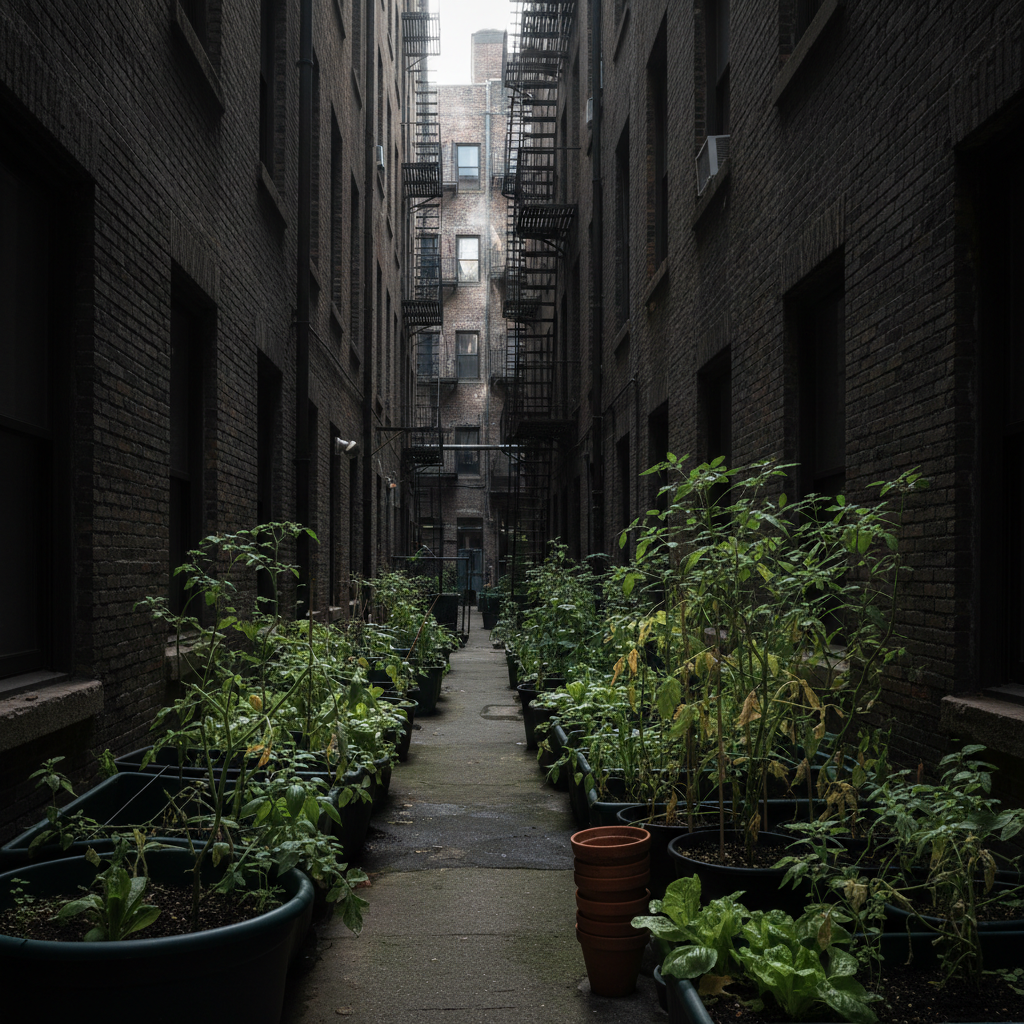
Insufficient sunlight can stunt plant growth and reduce yields. Many urban spaces have limited sun exposure due to buildings and structures, making it crucial to select appropriate planting locations.
Solution:
- Assess Sunlight Exposure: Observe your garden area throughout the day to identify spots that receive adequate sunlight.
- Choose Suitable Plants: Opt for shade-tolerant varieties if full sun is limited.
- Rotate Plantings: Periodically change plant locations to ensure all areas receive sufficient light over time.
5. Using Invasive or Toxic Plants
Introducing invasive species can disrupt local ecosystems, while planting toxic varieties poses risks to pets and children.
Solution:
- Research Plant Varieties: Before planting, verify that species are non-invasive and safe for your environment.
- Consult Local Guidelines: Refer to local agricultural extensions or gardening centers for recommendations on safe plant choices.
- Opt for Native Plants: Native species are well-adapted to local conditions and support local wildlife.
6. Neglecting Pest Management
Pests can quickly damage or destroy plants if not managed promptly. Ignoring early signs of infestations can lead to significant crop loss.
Solution:
- Regular Inspections: Check plants frequently for signs of pests or diseases.
- Encourage Beneficial Insects: Attract natural predators like ladybugs and bees to control pest populations.
- Use Organic Treatments: Apply natural remedies, such as neem oil, to address infestations without harming beneficial insects.
7. Failing to Plan for Maintenance
Urban gardens require consistent care. Neglecting regular maintenance can lead to overgrown, unproductive, or unhealthy plants.
Solution:
- Establish a Routine: Set specific times for watering, pruning, and monitoring plant health.
- Keep Records: Maintain a gardening journal to track plant progress, issues, and successes.
- Stay Educated: Continuously learn about gardening practices and adapt to challenges as they arise.
Frequently Asked Questions (FAQs)
Q1: How can I improve soil drainage in my urban garden?
To enhance drainage, incorporate organic matter like compost into your soil mix. In containers, ensure pots have drainage holes and use well-draining potting mixes.
Q2: What are some space-saving gardening techniques for small urban areas?
Utilize vertical gardening methods, such as trellises and hanging planters, to maximize space. Container gardening allows flexibility and mobility.
Q3: How do I attract pollinators to my urban garden?
Plant a variety of nectar-rich flowers and avoid using pesticides that harm beneficial insects. Providing water sources and shelter can also attract pollinators.
Q4: What are the best times to water my urban garden?
Water early in the morning to reduce evaporation and allow foliage to dry before evening, minimizing disease risk.
Q5: How can I prevent soil erosion in my urban garden?
Apply mulch around plants to protect soil from erosion, regulate temperature, and retain moisture. Mulch also suppresses weed growth.
Q6: What are some common signs of overwatering in plants?
Yellowing leaves, root rot, and mold growth are common indicators of overwatering. Ensure soil drains well and adjust watering schedules accordingly.
Conclusion
By being aware of these common urban gardening mistakes and implementing the suggested solutions, you can create a thriving garden that brings beauty and fresh produce to your urban environment. Remember, successful gardening is a journey of continuous learning and adaptation.
Happy gardening!