
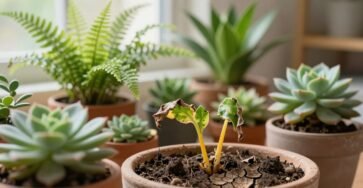
Watching your indoor greenery stay the same size for months feels quite frustrating. You provide plenty of water and sunlight, yet nothing changes. Many homeowners face slow plant growth at some point in their gardening journey. Finding the root cause of these plants not growing is the first step toward a lush space. Often, the soil lacks the right food or the container feels too tight. We want to help you find a smart fix for your leafy friends. Struggling with a garden that refuses to thrive is a common hurdle for many new hobbyists. You are definitely in the right place to find reliable and easy answers. This guide will walk you through several simple steps to improve your current setup. Your ultimate goal is to see vibrant leaves and strong stems throughout the entire year. Healthy vegetation adds immense joy and fresh air to any room in your house. Let's dig into the specific details and solve these mysteries today. Understanding Why Your Plants Not Growing To address the issue of stagnant plant growth, you need to comprehend the underlying causes. Plants require a combination of factors to grow healthily, including adequate light, water, nutrients, and suitable environmental conditions. When any of these elements are lacking or excessive, it can hinder plant growth. Identifying the root cause of the problem is crucial for taking corrective measures. By understanding the reasons behind your plant's stagnant growth, you can apply the necessary plant care tips to revive it. How to Diagnose Plant Growth Problems Diagnosing plant growth issues involves observing your plant's condition and environment closely. Start by checking the plant's leaves, stems, and roots for any visible signs of stress or disease. Consider factors such as light exposure, watering schedule, soil quality, and temperature fluctuations. It's also essential to inspect the soil moisture, aeration, and nutrient content. Checking for pests or diseases is another critical step in diagnosing plant growth problems. reasons for poor plant growth Key Signs Your Plant Has Stopped Growing Several signs indicate that your plant has stopped growing. These include yellowing or droopy leaves, slow or no new growth, and weak or spindly stems. If you notice any of these symptoms, it's crucial to investigate the underlying causes. Other signs may include root bound conditions, where the roots have outgrown the container, or nutrient deficiencies, which can be identified through soil testing or visible symptoms on the leaves. Light Problems: The Most Common Growth Inhibitor…
Author: Vanessa Munoz
10 Proven Gardening Hacks to Boost Yields and Save Money
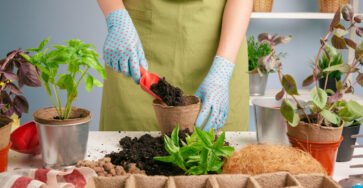
Growing a productive garden doesn’t have to mean spending more money on fertilizers, tools, or expensive upgrades. In fact, the…
15 Genius Gardening Hacks to Save Time, Money, and Your Back
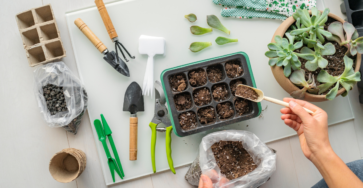
Whether you are a seasoned "green thumb" or a beginner just starting your first flower bed, gardening can sometimes feel…
Why Are My Leaves Turning Yellow?
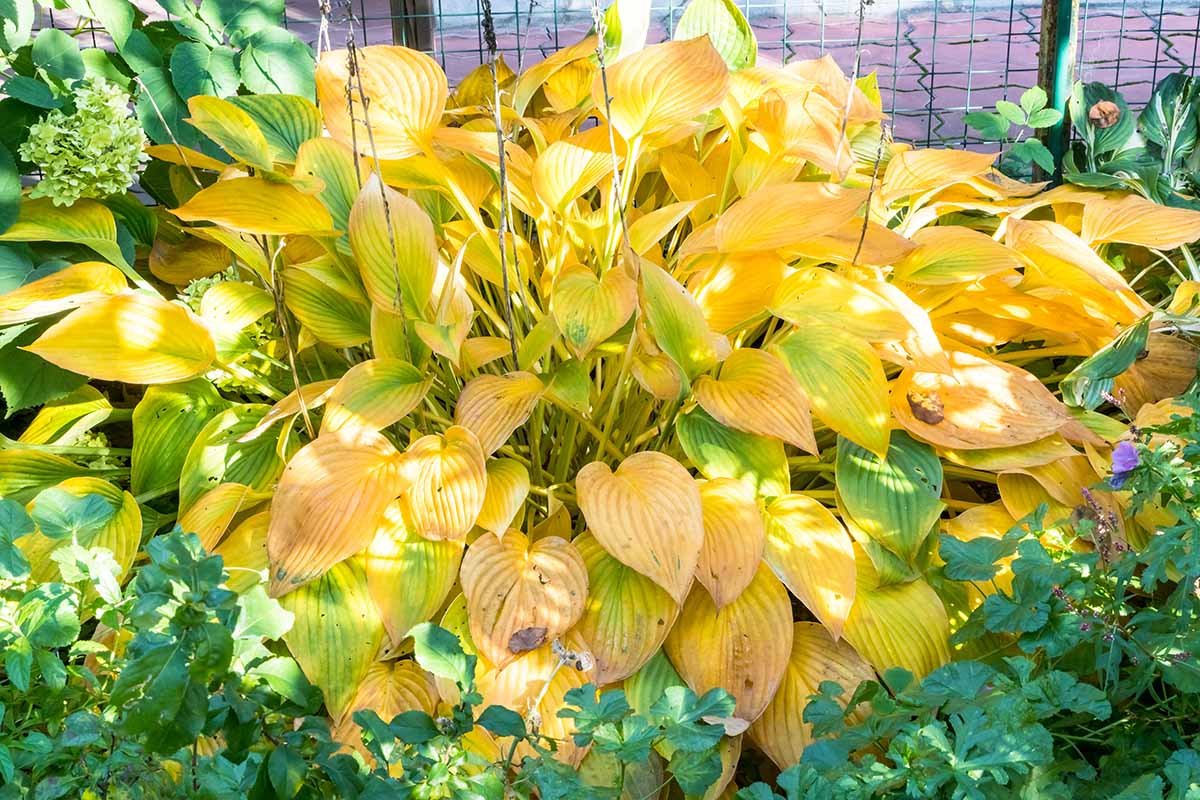
You are likely asking, why are my leaves turning yellow so suddenly? This guide explores the most common reasons and practical solutions to restore health to your garden. We will help you identify the specific cause and provide steps to fix it quickly.
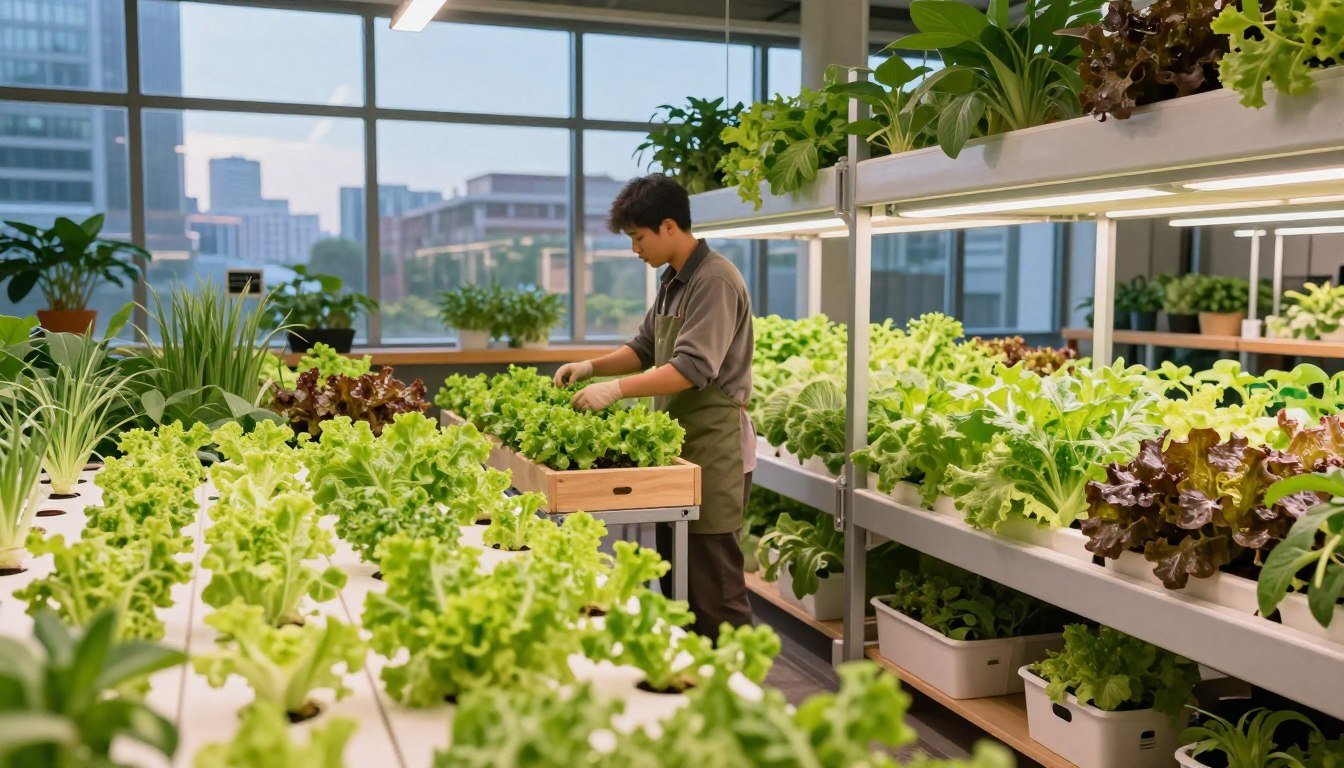
Urban Indoor Farming: A Sustainable Solution in 6 steps
As the world grapples with the challenges of climate change and urbanization, innovative solutions are needed to ensure food security for the growing global population. One such solution is gaining traction: sustainable agriculture practices that bring food production closer to consumers. By leveraging cutting edge technologies like hydroponics and vertical farming, it's possible to increase crop yields while minimizing environmental impact. This approach not only enhances food security but also contributes to a more resilient food system, better equipped to withstand the challenges of a rapidly changing world. 1. Understanding Urban Indoor Farming and Its Growing Importance The concept of urban indoor farming has gained significant traction in recent years due to its potential to transform urban food systems. As cities continue to grow and the global population increases, finding sustainable ways to produce food becomes more critical. What Makes Indoor Farming Different Indoor farming differs significantly from traditional farming methods. It involves growing plants in controlled environments, often within urban settings, using advanced technologies to optimize growing conditions. This method allows for year-round production, regardless of the weather outside, and can be tailored to meet the specific needs of different crops. The Rise of Controlled Environment Agriculture Controlled Environment Agriculture (CEA) is at the heart of urban indoor farming. CEA involves controlling factors such as temperature, humidity, and light to create optimal growing conditions. This approach not only enhances crop yields but also reduces the reliance on chemical pesticides and fertilizers, making it a more sustainable option. From Rooftops to Warehouses: Where Urban Farms Thrive Urban indoor farms can be found in a variety of settings, from rooftops to abandoned warehouses. The flexibility in location is one of the key advantages of indoor farming, allowing it to thrive in densely populated urban areas. Some of the most common locations include: These diverse locations enable urban indoor farming to contribute to local food systems, providing fresh produce to urban residents and helping to reduce the carbon footprint associated with transporting food. 2. Why Urban Indoor Farming is a Sustainability Game-Changer As the world grapples with environmental challenges, urban indoor farming emerges as a beacon of sustainability. By leveraging cutting-edge technologies like hydroponics and vertical farming, urban indoor farming is redefining the future of sustainable agriculture. sustainable agriculture Dramatically Lower Water Usage One of the most significant advantages of urban indoor farming is its ability to conserve water. Traditional farming methods can be extremely water-intensive, whereas indoor farms use advanced hydroponic systems that recirculate water, reducing consumption by up to 90%. This dramatic reduction in water usage is crucial in areas where water scarcity is a growing concern.…
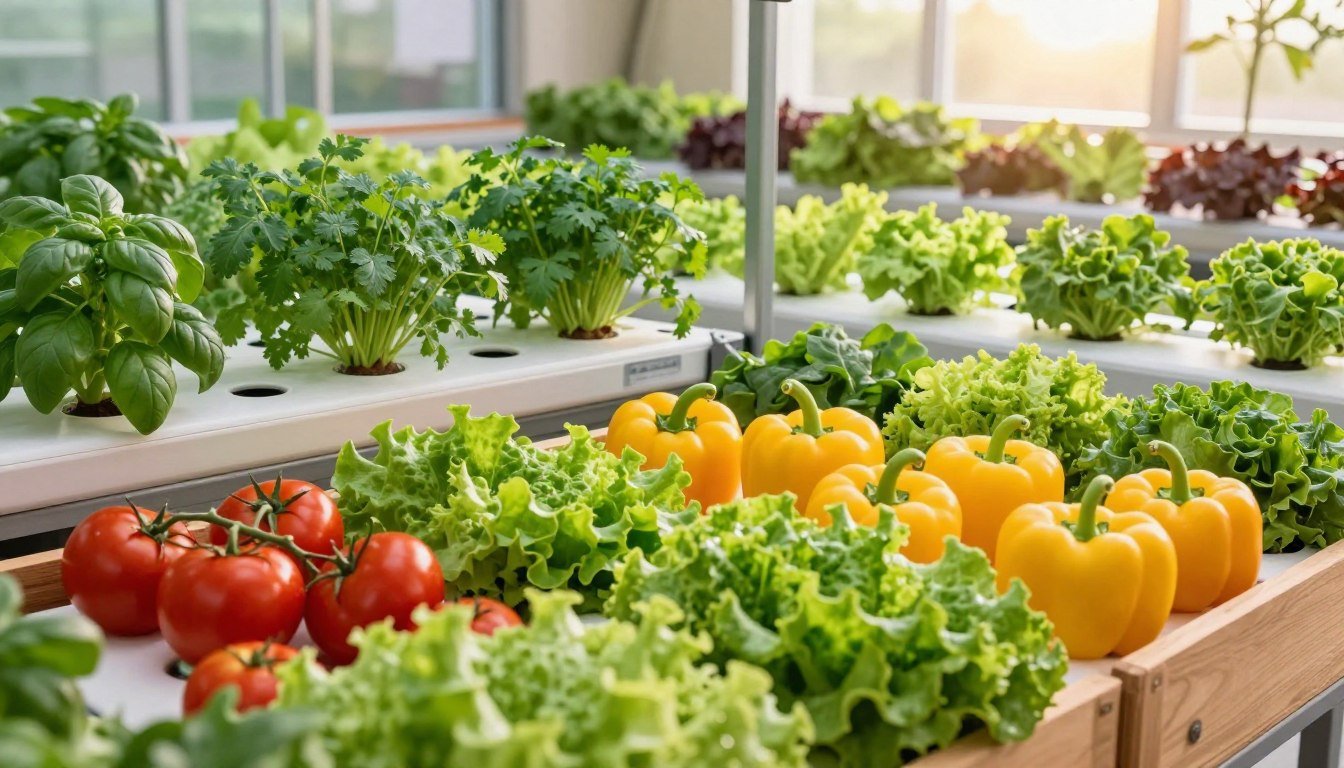
Urban Indoor Farm: Cultivate Fresh Produce at Home
Welcome to the world of indoor gardening, where you can grow fresh produce right in the comfort of your own home. This revolutionary approach to gardening allows you to cultivate a wide variety of fruits, vegetables, and herbs, regardless of the season or your location. By setting up your own urban indoor farm, you can enjoy the benefits of having fresh, healthy produce at your fingertips. In this article, we'll explore the key components and best practices for creating a thriving indoor garden, making it easy to get started, even if you're new to gardening. Why Start an Urban Indoor Farm in Your Home Starting an urban indoor farm is a step towards a healthier, more sustainable lifestyle. By cultivating your own produce, you can enjoy a multitude of benefits that enhance your overall wellbeing and contribute to a more environmentally friendly way of living. Health Benefits of Homegrown Produce Growing your own fruits and vegetables indoors means you'll have access to fresher, healthier food. Homegrown produce is rich in nutrients and free from pesticides, making it an excellent choice for those looking to improve their diet. Moreover, having a steady supply of fresh produce can encourage healthier eating habits. Cost Savings and Sustainability Urban indoor farming is not only beneficial for your health but also for your wallet and the environment. By growing your own food, you can significantly reduce your grocery bills. Additionally, indoor farming is a sustainable practice that minimizes the need for large areas of land, water, and other resources associated with traditional farming methods. Year-Round Growing Regardless of Climate One of the most significant advantages of urban indoor farming is the ability to grow produce year-round, regardless of the external climate or season. This means you can enjoy your favorite fruits and vegetables 365 days a year, without being limited by weather conditions or geographical location. Essential Components for Your Urban Indoor Farm A well-designed urban indoor farm relies on the right combination of essential components. To get started, you'll need to consider several key elements that will help your plants thrive in an indoor environment. Lighting Systems for Indoor Growing Lighting is one of the most critical components of an urban indoor farm. Without sufficient light, your plants won't be able to undergo photosynthesis, which is essential for their growth. There are several lighting options available, each with its own advantages. LED Grow Lights LED grow lights are a popular choice for indoor growing due to their energy efficiency and long lifespan. They emit a specific spectrum that promotes healthy plant growth and can be tailored to meet the needs of different crops. Fluorescent Options Fluorescent lighting, including T5 and T8 systems, is another viable option for indoor growing. These lights are often less expensive than LED grow lights and still provide a good spectrum for plant growth. Growing Mediums and Containers The growing medium and container you choose will also play a crucial role in the success of your urban indoor farm. Options include soil, coco coir, and hydroponic systems, each with its own benefits and drawbacks.…
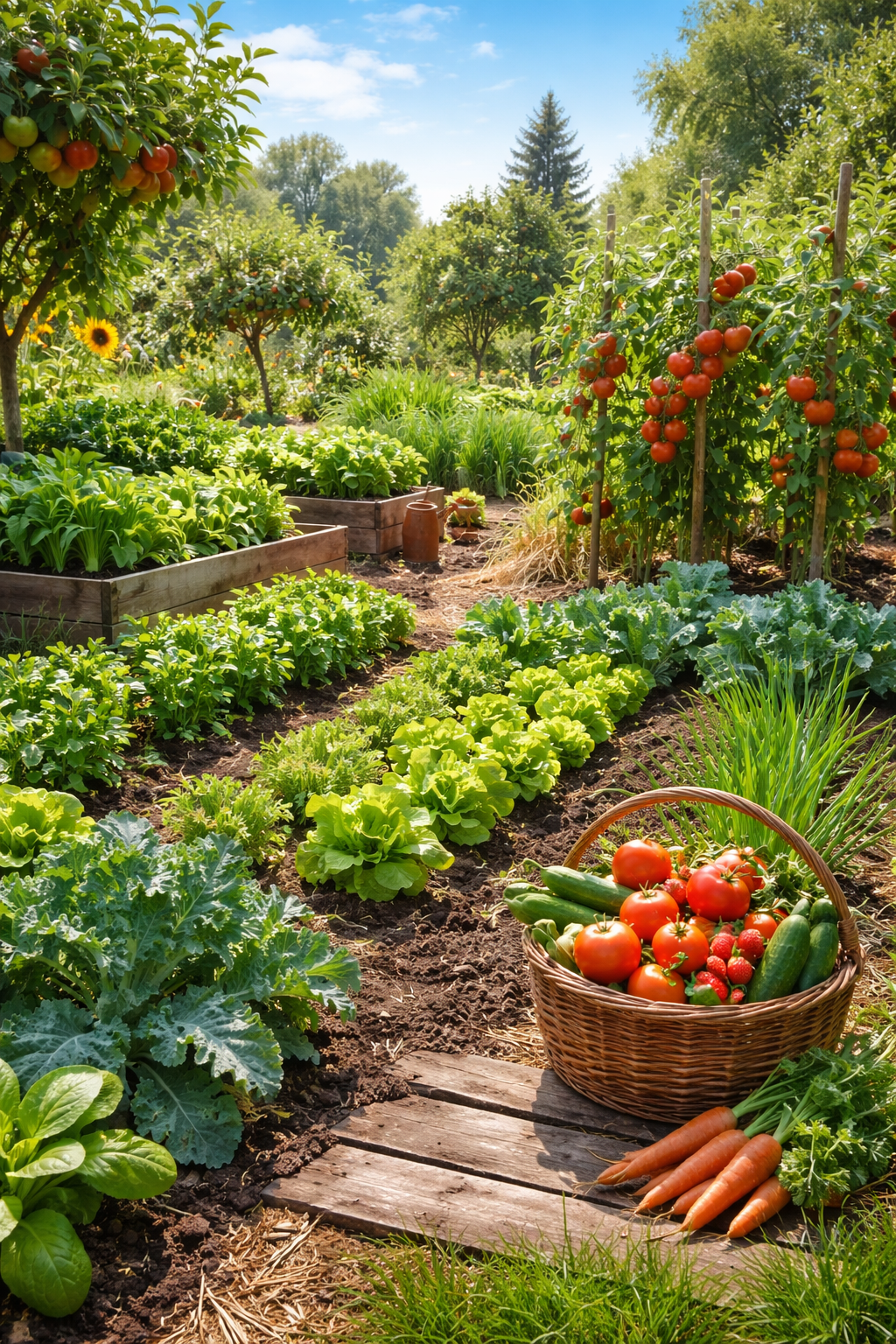
Planting Vegetables and Fruits: A Growing Movement Toward Health and Sustainability
Planting vegetables and fruits has transformed from a traditional pastime into a powerful movement supporting healthier lifestyles and environmental responsibility.…
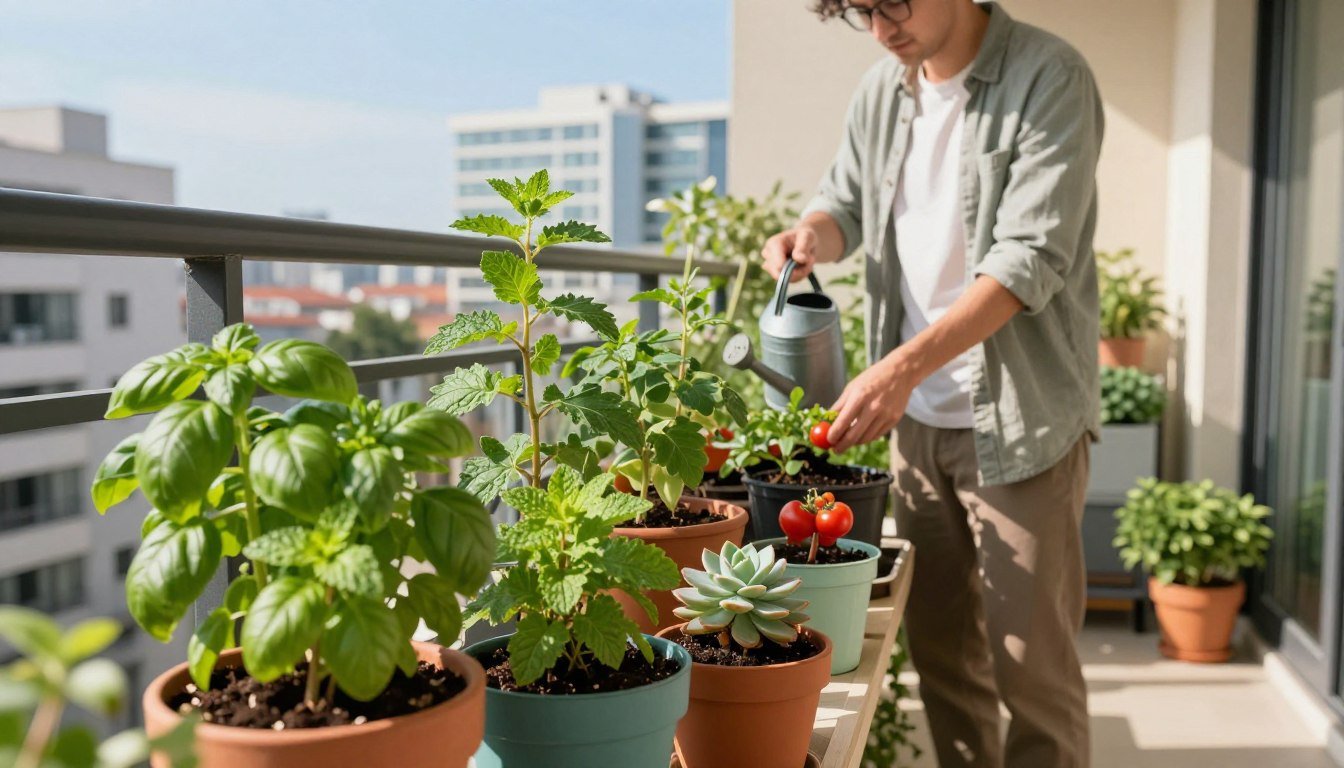
Urban Gardening 101: Get Started with These Easy Tips
Welcome to the world of city gardening, where you can turn your small space into a lush oasis. Whether you have a balcony, patio, or just a windowsill, you can grow your own herbs, vegetables, and flowers. Urban Gardening 101 in the city is not only a great way to beautify your surroundings, but it also provides numerous benefits, including fresh produce and a sense of community. With these gardening tips, you'll be well on your way to creating a thriving garden in no time. Getting started is easier than you think. You don't need a green thumb or a large yard to begin. Simply choose the right plants, provide them with the necessary care, and enjoy the fruits of your labor. 1. Why Urban Gardening 101 is Perfect for City Dwellers Urban gardening offers a multitude of benefits for city residents, from fresh produce to improved air quality. By embracing sustainable gardening practices, individuals can transform their urban spaces into thriving oases that not only beautify their surroundings but also contribute to a healthier environment. Fresh, Organic Produce at Your Fingertips One of the most significant advantages of urban agriculture is the ability to grow your own organic produce. By doing so, you have complete control over what goes into your food, ensuring it's free from harmful pesticides and chemicals. This not only enhances the flavor and nutritional value of your meals but also supports a healthier lifestyle. urban gardening benefits Improving Air Quality and Reducing Your Carbon Footprint Urban gardening plays a crucial role in improving air quality by increasing the amount of green spaces in urban areas. Plants absorb carbon dioxide and release oxygen, contributing to a cleaner environment. By adopting sustainable gardening methods, city dwellers can significantly reduce their carbon footprint and help mitigate the effects of climate change. Creating a Peaceful Green Oasis Beyond its environmental benefits, urban gardening also offers a serene escape from the hustle and bustle of city life. Creating a green oasis in your home or on your balcony can be a therapeutic experience, providing a peaceful retreat where you can relax and unwind. This aspect of urban gardening is particularly valuable for city dwellers who often face high levels of stress and limited access to natural spaces. 2. Getting Started with Urban Gardening in Limited Space Getting started with urban gardening in limited space involves evaluating your available growing areas and understanding the conditions that will affect your plants' growth. Whether you have a tiny balcony, a rooftop, or just a windowsill, you can still grow a variety of plants. Evaluating Your Available Growing Space…

Garden Home Inspiration: Transform Your Outdoor Space in 2026
Turning your outdoor area into a stunning garden home can change your life. It's about making a space that looks great, works well, and feels welcoming. Picture yourself in a peaceful oasis, where you can unwind, host guests, and enjoy nature. By adding outdoor living spaces, you can make your backyard a reflection of your taste. With the right ideas and design, you can make your outdoor area a true part of your home. It becomes a place that shows off your style. Creating Your Garden Home Vision Turning your outdoor area into a garden home starts with a clear vision. First, you need to look at your current outdoor space. Understand what it can be and what it can't. Assessing Your Current Outdoor Space Start by checking your yard's layout, soil, and features. Think about the sunlight, drainage, and how you use it now. Notice any special features, like trees or slopes, that can add to your garden. This step helps you see what needs work and what can be improved. garden design ideas Defining Your Garden Style and Goals Your garden should match your taste and your home's look. You might like modern garden home styles with clean lines and focus on outdoor living. Or, you might prefer traditional American garden designs with lush plants and classic features. Modern Garden Home Styles Modern gardens use sleek materials like steel and glass. They often have outdoor kitchens, fire pits, and big patios that blend indoor and outdoor spaces. Traditional American Garden Designs Traditional gardens are warm and full of character. They mix flowers, shrubs, and trees. You'll find garden benches, bird baths, and fancy fences in these gardens. Planning for All Seasons in Your Region A good garden home is fun all year. Think about how your garden will look and work in different seasons.…
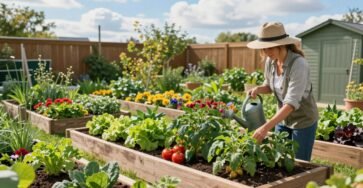
Grow Vegetable Gardening: Tips for a Bountiful Harvest
Embarking on a home gardening journey can be a rewarding experience, providing you with fresh produce right in your backyard. With the right grow vegetable gardening tips, you can enjoy a bountiful harvest and savor the taste of homegrown vegetables. Whether you're a seasoned gardener or just starting out, this guide will walk you through the essential techniques for a successful harvest. From preparing the soil to choosing the right varieties, we'll cover the key aspects of vegetable gardening to ensure a thriving garden. By following these vegetable gardening tips, you'll be well on your way to enjoying a bountiful harvest and making the most of your home gardening experience. Getting Started with Vegetable Gardening Embarking on a vegetable gardening journey can be a rewarding experience, providing fresh produce right in your backyard. To ensure a successful start, it's essential to assess your garden's conditions and prepare accordingly. Assessing Your Garden Space and Sunlight Before planting, evaluate your garden's space and sunlight. Most vegetables require at least 6 hours of direct sunlight per day. Consider the layout to avoid shading from nearby structures or trees. Understanding Your USDA Hardiness Zone Knowing your USDA Hardiness Zone is crucial for selecting the right vegetables for your climate. This information helps you determine which plants will thrive in your area's temperature conditions. Essential Tools and Supplies for Beginners To get started, you'll need some basic gardening tools and supplies. These include a shovel, garden gloves, seeds, and a watering can. Here's a simple table to help you organize your initial investment: Tool/Supply Purpose Initial Cost Garden Gloves Protects hands while gardening $10-$15 Shovel For digging and soil preparation…
10 Creative DIY Plastic Bottle Projects to Transform Your Home
Transforming everyday plastic bottles into functional and decorative items is a fantastic way to enhance your home while promoting sustainability.…
5 Ingenious Ways to Recycle Plastic Bottles into Home Decor
Plastic bottles are ubiquitous in our daily lives, but their environmental impact is significant. Instead of discarding them, consider repurposing…