

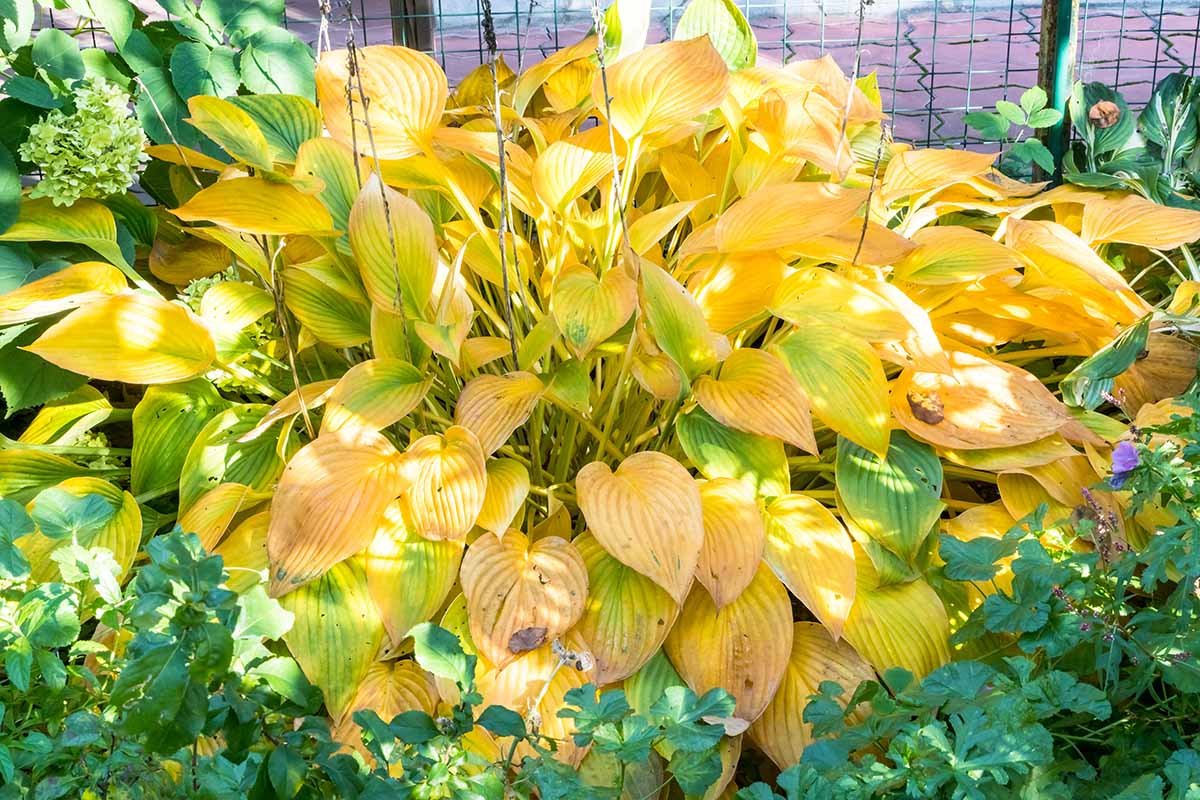
Seeing your vibrant greenery change hue is a stressful experience for any indoor gardener. Finding yellow leaves often signals that something is wrong with the environment or daily routine. You might feel worried when you first notice the discoloration on your favorite fern or outdoor shrub.
Maintaining proper plant care requires patience and a bit of detective work. Many factors like water levels, light exposure, or soil nutrients play a role in how a sprout looks. Sometimes, it takes just a small adjustment to bring back that healthy, lush glow.
You are likely asking, why are my leaves turning yellow so suddenly? This guide explores the most common reasons and practical solutions to restore health to your garden. We will help you identify the specific cause and provide steps to fix it quickly.
Understanding these signs is the first step toward becoming a better plant parent. Let’s dive into the science of foliage health and discover how to keep your collection thriving. With the right knowledge, you can save your greenery and prevent future issues.
Understanding Yellow Leaves and Chlorosis in Plants
The appearance of yellow leaves is a common issue many plant owners face, and it's frequently associated with a condition known as chlorosis. Chlorosis refers to the yellowing of leaves due to a lack of chlorophyll, the green pigment essential for photosynthesis. This condition can result from various factors, including nutrient deficiencies, watering issues, and environmental stress.

What Chlorosis Means for Your Plant
Chlorosis is more than just a visual issue; it indicates that your plant is struggling to carry out its basic metabolic processes. When a plant suffers from chlorosis, its ability to photosynthesize is impaired, leading to weakened growth and potentially making it more susceptible to diseases and pests.
The causes of chlorosis can be diverse, ranging from a lack of essential nutrients like iron, magnesium, or nitrogen, to environmental factors such as excessive watering or exposure to extreme temperatures.
When Yellow Leaves Are Normal vs. Problematic
It's essential to distinguish between yellow leaves that are a normal part of a plant's life cycle and those that signal a problem. Older leaves naturally turn yellow and fall off as part of the plant's natural aging process. However, if the yellowing is widespread, affects younger leaves, or is accompanied by other symptoms like drooping or spotting, it may indicate an underlying issue.
Understanding the pattern and context of the yellowing is crucial for determining the appropriate course of action to restore your plant's health.
Watering Issues: The Leading Cause of Yellow Leaves
One of the primary reasons plants develop yellow leaves is due to watering issues. Watering is a critical aspect of plant care, and both overwatering and underwatering can cause significant stress to plants, leading to yellowing leaves.
Watering issues can arise from either too much or too little water. It's essential to understand the signs of both overwatering and underwatering to address the problem effectively.
Overwatering and Root Rot Symptoms
Overwatering occurs when the soil is consistently waterlogged, causing the roots to rot. This condition, known as root rot, prevents the plant from absorbing necessary nutrients and water. Symptoms of overwatering include:
Yellowing leaves that may drop prematurely, soft and mushy stems, and a general decline in plant health
Underwatering and Dehydration Signs
Underwatering happens when the plant does not receive enough water, causing dehydration. Signs of underwatering include:
Dry, crispy leaves, wilted stems, and slow growth. In severe cases, the leaves may turn yellow and drop.

Testing Soil Moisture Correctly
To avoid watering issues, it's crucial to test the soil moisture correctly. This can be done by inserting a finger into the soil up to the first knuckle or using a moisture meter. The soil should be moist but not waterlogged.
Adjusting your watering schedule based on the soil moisture and the plant's needs can help prevent both overwatering and underwatering.
Nutrient Deficiencies That Turn Leaves Yellow
Nutrient deficiencies are a common issue that can cause leaves to turn yellow, and understanding the specific deficiencies is key to resolving the problem. Plants require a range of nutrients to maintain healthy growth, and a lack of any one of these can lead to various symptoms, including yellowing leaves.
Nitrogen Deficiency: Lower Leaves Turn Yellow First
A nitrogen deficiency is one of the most common nutrient deficiencies that cause yellow leaves. Nitrogen is essential for leaf growth and chlorophyll production. When nitrogen is lacking, the lower leaves typically turn yellow first because nitrogen is a mobile nutrient that the plant can reallocate from older leaves to newer ones.
Iron Deficiency: Yellow Leaves with Green Veins
Iron deficiency leads to a condition known as interveinal chlorosis, where the leaves turn yellow but the veins remain green. This is because iron is crucial for the production of chlorophyll and is not as mobile as nitrogen within the plant. Iron deficiency is more common in alkaline soils where iron is less available to plants.
Magnesium, Potassium, and Other Essential Nutrients
Other nutrients like magnesium and potassium also play critical roles in plant health. Magnesium deficiency can cause yellowing between the veins of older leaves, while potassium deficiency can lead to yellowing of the leaf edges and tips. Other essential nutrients include calcium, sulfur, and micronutrients like zinc and boron, all of which contribute to overall plant health.
Understanding the specific pattern of yellowing and the nutrients involved can help in diagnosing and correcting the deficiency. By addressing the underlying nutrient deficiency, it's possible to restore the health of the plant and prevent further yellowing of leaves.
Lighting Problems Affecting Leaf Color
Lighting is a critical factor in plant health, and both insufficient and excessive light can cause leaves to turn yellow. Plants require specific lighting conditions to undergo photosynthesis efficiently, and deviations from these conditions can lead to various health issues.
Insufficient Light Causing Pale Yellow Leaves
When plants do not receive enough light, they may develop pale yellow leaves due to reduced chlorophyll production. Chlorophyll is the green pigment that helps plants absorb sunlight, and its reduction can cause the leaves to lose their vibrant green color.
This condition is often seen in plants placed in low-light areas or during the winter months when natural light is scarce. To address this issue, consider relocating the plant to a brighter location or supplementing with grow lights.
Too Much Direct Sunlight and Leaf Burn
On the other hand, too much direct sunlight can cause leaf burn, leading to yellow or brown leaves. This is particularly common in plants that are not adapted to high levels of direct sunlight.
Leaf burn can be prevented by providing shade, especially during the peak sun hours, or by using a sheer curtain to filter the sunlight. It's also essential to research the specific lighting needs of your plant to ensure it receives the right amount of light.
Pests, Diseases, and Infections
When leaves turn yellow, it's not just nutrient deficiencies or watering issues to blame; pests and diseases can also be the culprit. Pests, diseases, and infections can significantly impact plant health, leading to yellowing leaves among other symptoms.
Spider Mites, Aphids, and Other Sap-Sucking Insects
Sap-sucking insects like spider mites and aphids can cause significant stress to plants, leading to yellow leaves. Spider mites feed on plant sap, causing yellowing or bronzing of leaves, while aphids can transmit plant viruses.
Inspect your plants carefully for signs of these pests. Spider mites can be identified by fine webbing on the underside of leaves, while aphids are often found in clusters on new growth.
Fungal Diseases and Bacterial Leaf Spot
Fungal diseases can cause a range of symptoms, including yellowing leaves. Fungal infections often result from overwatering or poor air circulation. Bacterial leaf spot can also cause yellowing, typically accompanied by dark spots or lesions on the leaves.
To manage fungal diseases, ensure good air circulation around your plants and avoid overhead watering, which can splash water onto leaves and promote fungal growth.
Root Diseases That Affect Foliage
Root diseases can indirectly cause yellowing leaves by impairing the plant's ability to absorb water and nutrients. Root rot, often caused by overwatering, is a common issue that can lead to yellowing foliage.
To prevent root diseases, ensure your plants are not waterlogged and have good drainage. If you suspect root rot, inspect the roots and consider repotting the plant in fresh, well-draining soil.
Why Are My Leaves Turning Yellow: Step-by-Step Diagnosis
Diagnosing the cause of yellow leaves can be a straightforward process if you follow a step-by-step guide. This systematic approach will help you identify the underlying issue and take corrective action to restore your plant's health.
Examining the Yellowing Pattern
The pattern of yellowing on your plant's leaves can provide valuable clues about the cause. Observe whether the yellowing is uniform or patchy. Uniform yellowing might indicate a nutritional deficiency or overwatering, while patchy yellowing could be a sign of pests or diseases.
Checking Upper vs. Lower Leaves
The location of the yellow leaves on your plant is also an important diagnostic factor. Check if the upper or lower leaves are affected. For instance, nitrogen deficiency typically causes yellowing in lower leaves, while iron deficiency affects the upper leaves.
Assessing Other Symptoms and Signs
In addition to the yellowing pattern, look for other symptoms such as droopy leaves, black spots, or white powdery patches. These can indicate issues like root rot, fungal infections, or pest infestations.
Considering Recent Care Changes
Any recent changes in your plant care routine could be contributing to the yellow leaves. Reflect on whether you've altered your watering schedule, fertilization, or pruning practices. Such changes can sometimes cause stress to the plant, leading to yellowing leaves.
By carefully examining these factors, you can narrow down the potential causes and take targeted action to address the issue.
How to Fix Yellow Leaves and Restore Plant Health
Restoring your plant's health requires a comprehensive approach that addresses the underlying causes of yellow leaves. By understanding the root cause of the problem, you can take targeted steps to revive your plant.
Adjusting Your Watering Schedule
One of the most common causes of yellow leaves is improper watering. To fix this, you need to adjust your watering schedule based on the plant's needs. Check the soil moisture by inserting your finger into the soil up to the first knuckle. If the soil feels dry, it's time to water. If it's already moist, wait a few more days before watering again.
Overwatering can be detrimental, so ensure your pot has good drainage holes to prevent waterlogged soil. On the other hand, underwatering can also cause yellow leaves. Monitor your plant's response to watering adjustments and make further changes as needed.
Fertilizing and Correcting Nutrient Deficiencies
Nutrient deficiencies are another common cause of yellow leaves. Fertilizing your plant can help correct these deficiencies. Use a balanced fertilizer that contains essential nutrients like nitrogen, iron, and magnesium. The type of fertilizer you choose will depend on the specific needs of your plant.
For example, if your plant is suffering from a nitrogen deficiency, use a fertilizer high in nitrogen. If the issue is an iron deficiency, consider using an iron-rich fertilizer or chelated iron supplements.
Optimizing Light Conditions
Light is crucial for photosynthesis, and insufficient or excessive light can cause yellow leaves. Assess your plant's lighting conditions and adjust accordingly. If your plant is not getting enough light, consider moving it to a brighter location or supplementing with grow lights.
Conversely, if your plant is exposed to too much direct sunlight, provide shade using a sheer curtain or move it to a spot with filtered sunlight.
Treating Pests and Diseases
Pests and diseases can also cause yellow leaves. Inspect your plant carefully for signs of infestation or infection. Treat any pests or diseases promptly using organic or chemical controls as needed.
For example, if you find spider mites, use insecticidal soap or neem oil to control the infestation. For fungal diseases, remove affected leaves and improve air circulation around the plant.
When to Remove Yellow Leaves
Removing yellow leaves can help maintain your plant's appearance and prevent the spread of disease. However, only remove leaves that are completely yellow or damaged. Cutting off partially yellow leaves can cause stress to the plant.
Use clean scissors or pruning shears to remove yellow leaves, and make cuts just above a node to minimize damage to the plant.
Conclusion
Understanding why your plant's leaves are turning yellow is crucial for restoring its health. By identifying the underlying cause, you can take corrective action to address the issue and prevent further damage.
Throughout this article, we've explored common causes of yellow leaves, including watering issues, nutrient deficiencies, lighting problems, and pests or diseases. By adjusting your watering schedule, fertilizing, optimizing light conditions, and treating pests or diseases, you can help your plant recover and thrive.
Effective plant care requires attention to detail and a willingness to adapt to your plant's changing needs. By applying the knowledge gained from this article, you can improve your plant care practices and enjoy healthier, more vibrant plants.
Maintaining optimal plant health is an ongoing process that requires patience, observation, and care. With the right approach, you can prevent yellow leaves and promote overall plant well-being.