

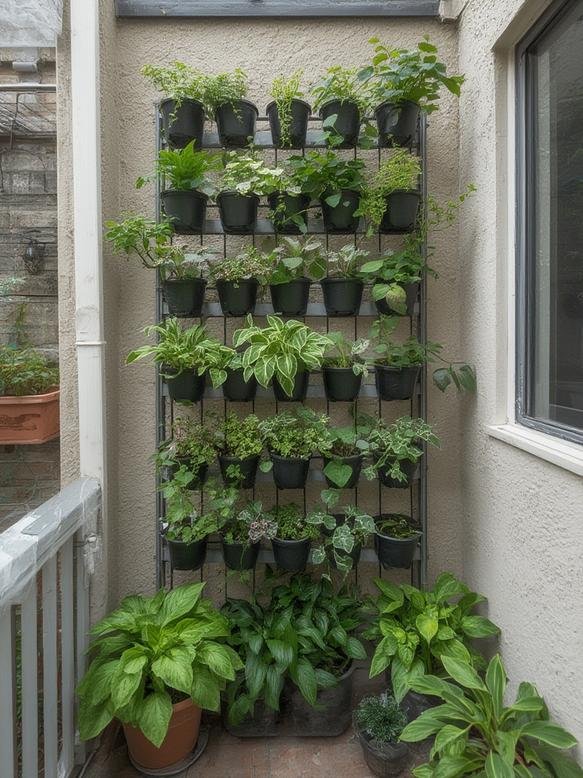
Vertical gardening is an innovative method of cultivating plants in vertically stacked layers, often integrated into structures like walls, trellises, or towers. This approach allows gardeners to maximize limited space, making it particularly beneficial for urban environments or areas with restricted land availability. By growing plants upward rather than outward, vertical gardening offers a sustainable and efficient way to produce a variety of crops, from herbs and vegetables to ornamental flowers.
In today's fast-paced world, finding ways to incorporate greenery into our living spaces can be challenging, especially for those residing in urban areas with limited outdoor space. Vertical gardening presents a solution by transforming walls, fences, and even indoor spaces into lush, productive gardens. This method not only enhances the aesthetic appeal of your surroundings but also provides numerous practical benefits, including increased food production and improved air quality. In this article, we'll explore the fundamentals of vertical gardening, its advantages, various techniques, and tips to help you get started.
Benefits of Vertical Gardening
Vertical gardening offers a multitude of advantages that make it an appealing choice for both novice and experienced gardeners.
1. Maximizes Limited Space
Urban dwellers often face challenges in finding suitable areas for traditional gardening. Vertical gardening allows you to utilize vertical surfaces, such as walls and fences, to grow plants, effectively increasing your gardening area without requiring additional land. This method is ideal for balconies, patios, and even indoor spaces like kitchens and living rooms. (outsidegardener.com)
2. Improves Air Quality
Plants naturally purify the air by absorbing pollutants and releasing oxygen. Incorporating a vertical garden into your home or office can enhance air quality, creating a healthier environment. Additionally, the increased foliage can help reduce noise pollution, making your space more tranquil. (gardenerswestminster.org.uk)
3. Reduces Energy Consumption
Vertical gardens can act as natural insulation for buildings. By covering exterior walls with plants, they provide shade during the summer, reducing the need for air conditioning, and offer insulation in the winter, decreasing heating costs. This energy efficiency contributes to lower utility bills and a smaller carbon footprint. (conserve-energy-future.com)
4. Enhances Aesthetic Appeal
A well-designed vertical garden can transform a plain wall or fence into a vibrant focal point. The variety of colors, textures, and forms offered by different plants adds visual interest and can complement various architectural styles. Whether it's a lush green wall or a cascade of flowering vines, vertical gardens bring life and beauty to any space. (gardenerswestminster.org.uk)
5. Increases Food Production
For those interested in growing their own food, vertical gardening offers an efficient way to produce a variety of crops, including herbs, vegetables, and small fruits. By utilizing vertical space, gardeners can achieve higher yields per square foot compared to traditional gardening methods. This is particularly beneficial in urban areas where access to arable land is limited. (gardinerarchitects.com.au)
Techniques for Vertical Gardening
There are several methods to implement vertical gardening, each suited to different types of plants and available spaces.
1. Wall-Mounted Planters
These are individual pots or containers attached to a wall or fence. They can be arranged in various patterns to create a visually appealing display. Wall-mounted planters are versatile and can accommodate a wide range of plants, from herbs and succulents to small flowering plants. (gardenersstjohns.org.uk)
2. Trellises and Climbing Supports
Trellises provide support for climbing plants like tomatoes, cucumbers, and beans. By guiding these plants upward, trellises save space and can lead to healthier growth due to improved air circulation and sunlight exposure. (groworganic.com)
3. Vertical Planter Towers
These are multi-tiered structures that allow for the cultivation of multiple plants in a compact area. Vertical planter towers are ideal for growing a variety of plants, including herbs, vegetables, and small fruits. (dprootsgarden.com)
4. Hanging Baskets and Containers
Suspended from ceilings, eaves, or balconies, hanging baskets are suitable for trailing plants, flowers, and small vegetables. They add a dynamic element to vertical gardening and can be moved to optimize sunlight exposure. (gardenersstjohns.org.uk)
Tips for Successful Vertical Gardening
To ensure your vertical garden thrives, consider the following tips:
- Choose the Right Plants: Select plants that are well-suited to vertical growth and the specific conditions of your space, such as sunlight availability and climate.
- Ensure Proper Watering: Vertical gardens can dry out faster than traditional gardens. Implementing a drip irrigation system or self-watering planters can help maintain consistent moisture levels. (growgreenfood.com)
- Provide Adequate Support: Ensure that structures like trellises or planter towers are sturdy enough to support the weight of mature plants and withstand environmental factors like wind.
- Monitor for Pests and Diseases: Regularly inspect your vertical garden for signs of pests or diseases. The confined space can sometimes lead to rapid spread, so prompt action is essential.
Conclusion
Vertical gardening is a versatile and sustainable method that allows individuals to cultivate plants in spaces where traditional gardening might not be feasible. By understanding the benefits, techniques, and best practices associated with vertical gardening, you can create a thriving green space that enhances your environment and contributes to a healthier lifestyle. Whether you're looking to beautify your home, grow your own food, or improve air quality, vertical gardening offers a practical solution to urban gardening challenges.