

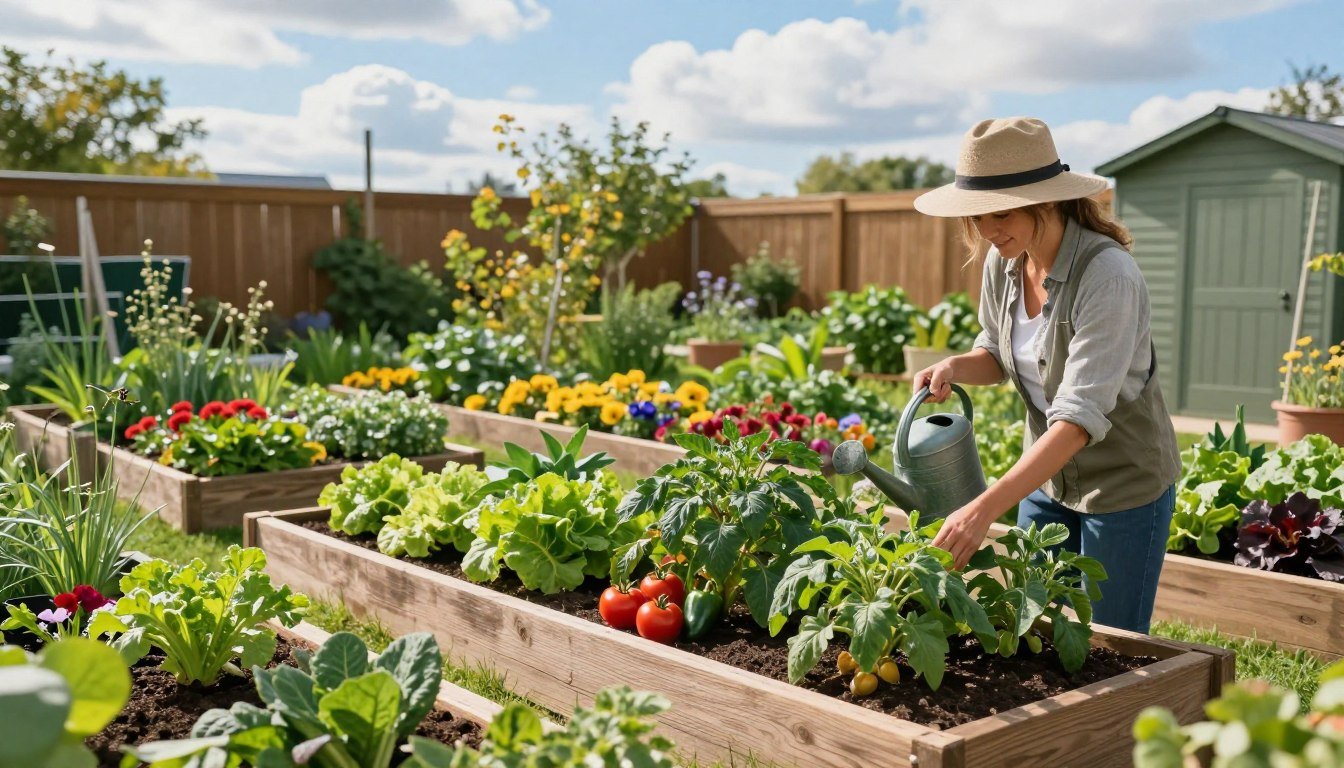
Growing your own vegetables is a rewarding endeavor, and even if you have limited space, window boxes can be an excellent solution. This guide will explore how to successfully growing vegetables in window boxes, providing you with practical tips and plant recommendations to get started.
Urban living and limited outdoor space shouldn't deter you from enjoying homegrown produce. Window boxes offer a convenient and efficient way to grow a variety of vegetables right at your doorstep. Whether you're a seasoned gardener or a beginner, this article will equip you with the knowledge to transform your window space into a thriving vegetable garden.
Benefits of Growing Vegetables in Window Boxes
Utilizing window boxes for vegetable gardening offers several advantages:
- Space Efficiency: Ideal for apartments or homes with limited yard space.
- Accessibility: Easy access for maintenance and harvesting.
- Pest Control: Elevated position can reduce pest infestations.
- Aesthetic Appeal: Adds greenery and beauty to your living space.
Selecting the Right Window Box
Choosing the appropriate window box is crucial for successful vegetable gardening:
- Size and Depth: Opt for boxes at least 8 inches deep to accommodate root systems.
- Material: Materials like wood, fiberglass, or PVC are durable and provide good insulation.
- Drainage: Ensure the box has adequate drainage holes to prevent waterlogging.
Choosing Suitable Vegetables
Not all vegetables are suitable for window boxes. Focus on varieties that thrive in confined spaces and have shallow root systems:
- Leafy Greens: Lettuce, spinach, and arugula grow well in window boxes.
- Root Vegetables: Radishes and baby carrots are ideal choices.
- Herbs: Basil, parsley, and chives are well-suited for container gardening.
Planting Techniques
Proper planting techniques ensure healthy growth:
- Soil Preparation: Use a high-quality potting mix with good drainage.
- Sowing Seeds: Follow seed packet instructions for depth and spacing.
- Companion Planting: Combine plants with similar water and sunlight needs.
Maintenance and Care
Regular maintenance is key to a productive window box garden:
- Watering: Keep soil consistently moist but avoid waterlogging.
- Fertilizing: Apply a balanced, water-soluble fertilizer every 2-4 weeks.
- Pruning: Remove dead or yellowing leaves to promote new growth.
Seasonal Considerations
Adapting to seasonal changes is essential:
- Spring/Summer: Plant heat-loving vegetables like tomatoes and peppers.
- Fall/Winter: Opt for cold-tolerant crops such as kale and Brussels sprouts.
Troubleshooting Common Issues
Addressing common problems can enhance your gardening experience:
- Pest Management: Use organic pesticides or natural predators to control pests.
- Disease Prevention: Ensure proper spacing and air circulation to prevent fungal diseases.
Conclusion
Growing vegetables in window boxes is a practical and enjoyable way to enjoy fresh produce, even in limited spaces. By selecting appropriate plants, employing effective planting techniques, and committing to regular maintenance, you can cultivate a thriving vegetable garden right at your window. Start your window box garden today and experience the joy of homegrown vegetables.
FAQ
Q1: How much sunlight do window box vegetables need?
Most vegetables require at least 6 hours of sunlight daily. Ensure your window box is placed in a location that receives adequate light.
Q2: Can I grow vegetables indoors using window boxes?
Yes, with sufficient natural light or supplemental grow lights, you can successfully grow vegetables indoors.
Q3: How often should I water my window box vegetables?
Water when the top inch of soil feels dry. Frequency may vary based on weather conditions and plant needs.
Q4: What are some common pests that affect window box vegetables?
Aphids, spider mites, and whiteflies are common pests. Regularly inspect plants and use appropriate control methods.
Q5: Can I grow perennial vegetables in window boxes?
Some perennials, like chives and asparagus, can be grown in window boxes, but they may require more space and care.