

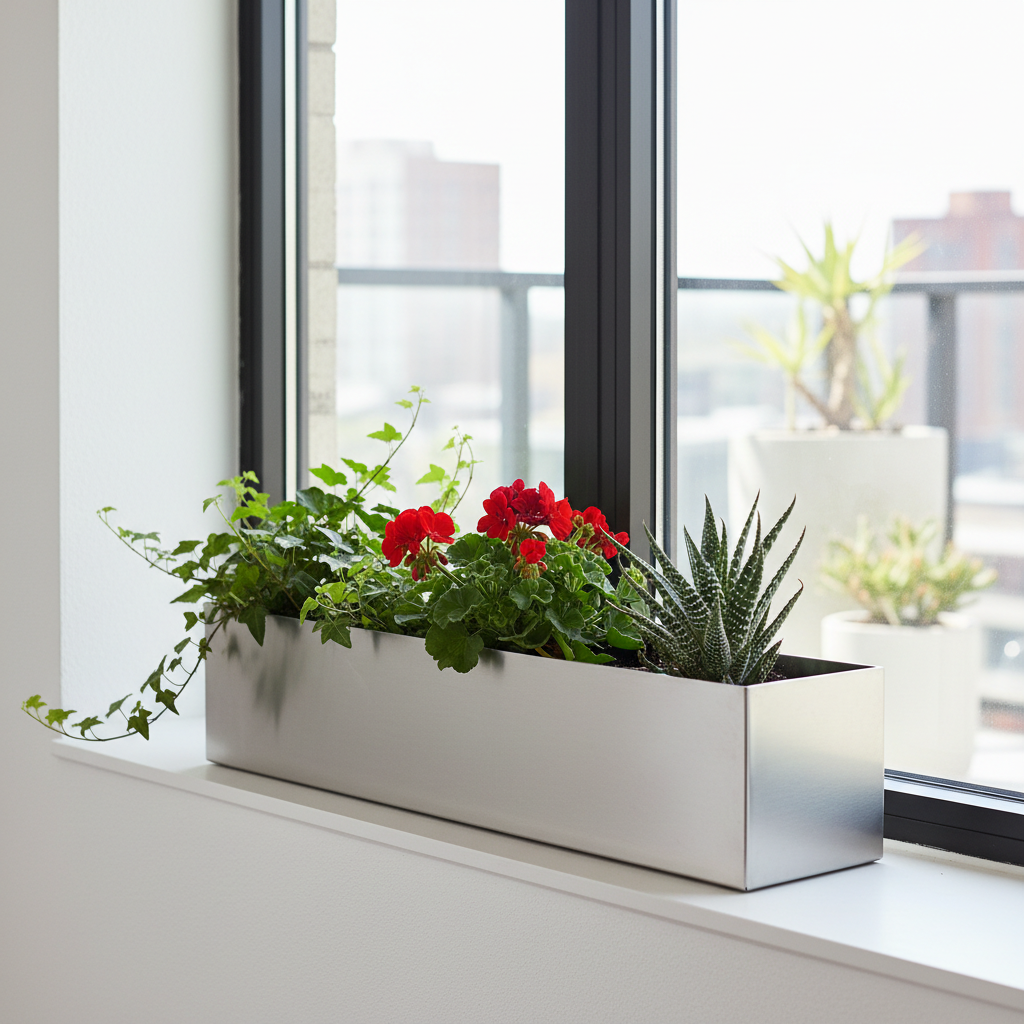
Transforming your window into a blooming garden is both rewarding and achievable with the right approach to planting your window box. One of the most common questions among gardening enthusiasts is: "How many plants should you put in a window box?" The answer depends on several factors, including the size of your window box, the types of plants you choose, and your aesthetic preferences.
Understanding Window Box Sizes and Planting Capacity
Window boxes come in various sizes, and selecting the appropriate number of plants is crucial for their health and appearance. Here's a general guideline:
- 12-inch window box: Ideal for 3 to 5 plants.
- 24-inch window box: Suitable for 5 to 7 plants.
- 36-inch window box: Can accommodate 8 to 10 plants.
These recommendations ensure that each plant has enough space to grow without overcrowding, promoting better air circulation and overall plant health. (makerfarm.com)
Factors Influencing Plant Density
Several factors can influence how many plants you should place in your window box:
Plant Size and Growth Habit
- Compact Plants: Varieties like pansies or petunias are smaller and can be planted closer together.
- Spreading or Vining Plants: Species such as ivy or sweet potato vines require more space due to their spreading nature.
Understanding the mature size and growth habits of your chosen plants will help in determining the appropriate spacing.
Desired Aesthetic
Your personal preference plays a role in plant density. A fuller, more lush appearance may require planting closer together, while a more minimalist look might involve fewer plants.
Maintenance Considerations
Overcrowded window boxes can lead to increased humidity, fostering fungal diseases. Adequate spacing allows for better air circulation, reducing the risk of such issues.
Planting Techniques for Optimal Results
To achieve a balanced and visually appealing window box, consider the following planting technique:
The Thriller, Filler, Spiller Method
- Thrillers: Tall, upright plants placed at the center or back of the box to add height.
- Fillers: Medium-sized plants that fill in the space around the thriller, providing fullness.
- Spillers: Trailing plants that cascade over the edges, softening the box's appearance.
This arrangement ensures a dynamic and layered look, with each plant complementing the others. (makerfarm.com)
Seasonal Considerations
The number and type of plants can vary with the seasons:
- Spring: Pansies, violas, and primroses thrive in cooler temperatures.
- Summer: Petunias, geraniums, and calibrachoa flourish in warmth.
- Fall: Ornamental kale, mums, and asters add autumn interest.
- Winter: In milder climates, dwarf conifers and cyclamen can be used.
Adjusting your plant selection with the seasons ensures continuous visual appeal. (gardenerkentishtown.co.uk)
Tips for planting your window box
Here are the same ideas converted into clear, easy-to-read key points:
- Check sunlight first: Observe how many hours of sun your window receives and whether it’s strong or gentle light. Choose plants that suit those conditions.
- Avoid overcrowding: A full look is nice, but plants need space to grow and spread naturally.
- Ensure good drainage: Use a window box with drainage holes and add a thin layer of gravel or broken terracotta at the bottom.
- Use quality potting mix: Avoid garden soil, which compacts easily; a lightweight potting mix keeps roots healthy.
- Plant in layers: Place taller plants at the back, medium plants in the middle, and trailing plants along the front edge.
- Loosen roots before planting: Gently tease roots with your fingers to help plants establish faster.
- Water thoroughly after planting: Let excess water drain out and monitor moisture closely during the first week.
- Maintain consistent watering: Window boxes dry out quickly, especially in warm or windy weather, but avoid overwatering.
- Feed regularly but lightly: Use diluted liquid fertilizer to support healthy growth and vibrant blooms.
- Ongoing care matters: Remove dead flowers, trim leggy growth, and rotate the box if one side gets more sun.
Common Mistakes to Avoid
- Overcrowding: Planting too many can lead to poor growth and increased disease risk.
- Ignoring Sunlight Needs: Ensure your plant choices match the sunlight exposure of your window.
- Neglecting Drainage: Proper drainage prevents waterlogging and root rot.
Conclusion
Determining the right number of plants for your window box involves considering the box's size, the plants' mature sizes, and your aesthetic goals. By thoughtfully selecting and arranging your plants, you can create a vibrant and healthy window garden that enhances your home's exterior.
Remember, the key is balance—ensuring each plant has enough space to thrive while contributing to a cohesive and attractive display.
Happy gardening!