

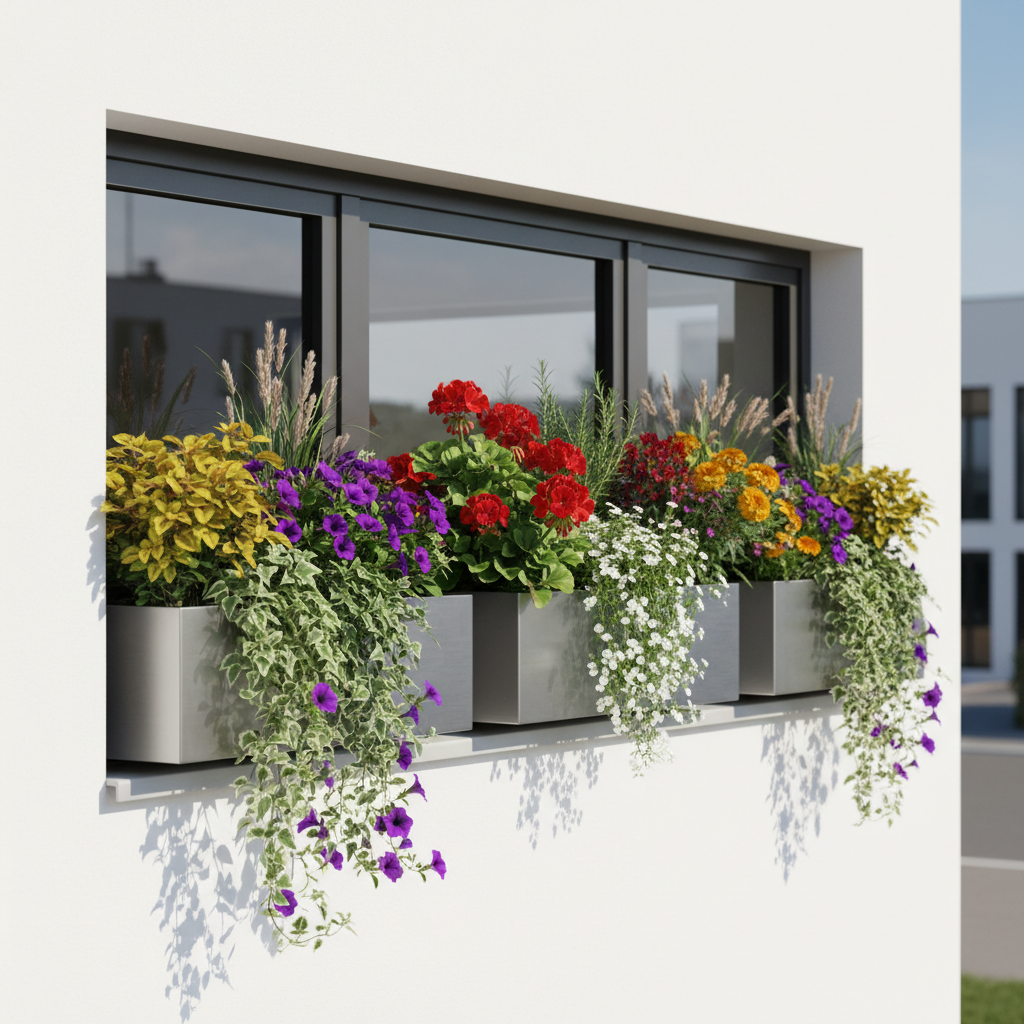
Window boxes are an excellent way to bring nature's beauty to your home, offering a splash of color and a touch of greenery right at your doorstep. Selecting the right plants is crucial to ensure a thriving, low-maintenance display. This guide explores the best plants for window boxes, categorized by sunlight requirements, and provides expert tips for successful planting.
Transforming your window boxes into vibrant displays begins with choosing plants that align with your local climate and sunlight conditions. Whether you're aiming for cascading blooms or lush greenery, the right selection can enhance your home's curb appeal and create a welcoming atmosphere. In this article, we'll delve into the top plant choices for window boxes, offering insights to help you make informed decisions.
Sun-Loving Best Plants for Window Boxes
For window boxes that receive ample sunlight, consider the following plants:
Petunias
Petunias are renowned for their vibrant colors and prolific blooming. Trailing varieties like 'Wave' and 'Supertunia' are particularly suitable for window boxes, as they spill gracefully over the edges, creating a lush, cascading effect. They thrive in full sun and require well-drained soil.
Geraniums
Geraniums, or Pelargoniums, are classic choices for sunny window boxes. They offer bold clusters of color in shades like red, pink, white, and salmon. These drought-tolerant plants have a classic, upright look that works perfectly as a "thriller" in window box designs. (greenygardener.com)
Calibrachoa (Million Bells)
Calibrachoa, often referred to as "Million Bells," resembles petunias but features smaller, more numerous flowers. These tiny, trumpet-shaped blooms cover the plant, creating a stunning cascade of color. They are perfect "spillers" in window boxes and adapt well to different growing conditions. (greenygardener.com)
Lantana
Lantana is a magnet for butterflies and hummingbirds. It's incredibly heat and drought-tolerant, with multi-toned flower clusters that add unique texture and keep blooming right up until the first frost. (greenygardener.com)
Shade-Loving Plants
For window boxes that receive partial to full shade, consider the following plants:
Impatiens
Impatiens are ideal for shady locations, offering vibrant blooms in various colors. They thrive in moist, well-drained soil and require regular watering to maintain their lush appearance. (almanac.com)
Begonias
Begonias are exceptional flowers that can grow between 2 to 3 feet tall. They're incredibly low maintenance and are known to 'self-clean,' meaning you will not need to deadhead these cheerful buds. For shady or part-sun window boxes, begonias are a wonderful option for adding color and blooms. (livingetc.com)
Coleus
Coleus brings unparalleled leaf drama to window boxes with rainbow-hued foliage that turns containers into living art. Shade-loving coleus grows happily in partial sunlight without demanding complicated maintenance. (archfoundation.org)
Versatile Plants for Window Boxes
Some plants adapt well to both sun and shade, making them versatile choices for window boxes:
Sweet Alyssum
Sweet Alyssum produces masses of scented white, pink, or purple flowers. It attracts pollinators and pairs beautifully with nearly all other window box plants. (gardenerarchway.co.uk)
Bacopa
Bacopa's delicate look belies its hardy nature and long bloom season. Tiny white, blue, or pink flowers drape gently over window box edges, adding a soft, cascading effect. (gardenerarchway.co.uk)
Tips for Successful Planting
- Soil Quality: Use a high-quality, well-draining potting mix to prevent waterlogging and root rot.
- Watering: Regularly check soil moisture, watering when the top inch feels dry. Ensure excess water can drain freely.
- Fertilization: Apply a balanced, water-soluble fertilizer every 4-6 weeks during the growing season to promote healthy growth and abundant blooms.
- Maintenance: Remove dead or yellowing leaves and spent flowers to encourage new growth and maintain a tidy appearance.
Conclusion
Selecting the right plants for your window boxes can transform your home's exterior, adding color, texture, and a welcoming ambiance. By considering your local climate, sunlight exposure, and maintenance preferences, you can create a stunning display that enhances your home's curb appeal. Happy gardening!