

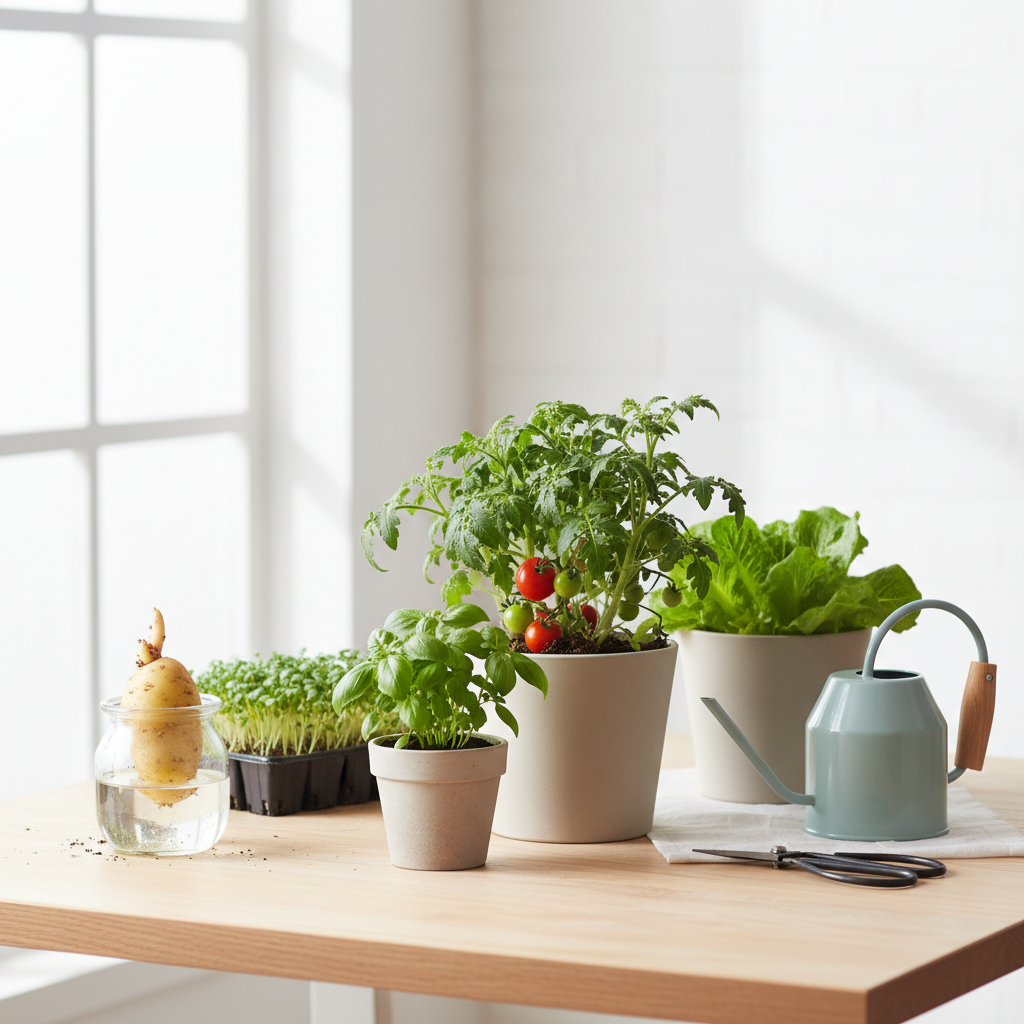
Gardening at home offers a rewarding experience, especially when you choose vegetables that are easy to cultivate. Whether you're a seasoned gardener or a beginner, selecting the right plants can lead to a bountiful harvest. In this guide, we'll explore some of the easiest vegetables to grow at home, providing you with valuable insights to start your gardening journey.
Embarking on the journey of home gardening can be both exciting and fulfilling. One of the first steps is selecting vegetables that are not only easy to grow but also yield a generous harvest. This article delves into some of the most beginner-friendly vegetables, offering practical tips and insights to help you cultivate a thriving garden.
10 easiest vegetables to grow at home
1. Radishes: The Quick Growers
Radishes are among the fastest-growing vegetables, making them ideal for impatient gardeners. With a short maturation period, they provide quick satisfaction.
Growing Tips
- Planting: Sow seeds directly into well-drained soil, about half an inch deep.
- Spacing: Thin seedlings to 2–3 inches apart to ensure proper growth.
- Harvesting: Ready for harvest in 20–30 days.
Varieties to Consider
- French Breakfast: Mild flavor, ideal for salads.
- Easter Egg: A mix of colors and flavors.
2. Lettuce: The Versatile Leafy Green
Lettuce is a staple in many gardens due to its versatility and ease of growth. It thrives in cooler temperatures and can be harvested multiple times.
Growing Tips
- Planting: Direct sow seeds into soil or start indoors for transplanting.
- Spacing: Thin to 8–10 inches apart for full heads.
- Harvesting: Begin harvesting leaves as needed; for full heads, wait until mature.
Varieties to Consider
- Romaine: Crisp texture, perfect for salads.
- Butterhead: Tender leaves with a sweet flavor.
3. Green Beans: The Productive Climbers
Green beans are known for their prolific nature and adaptability. They come in bush and pole varieties, each with unique benefits.
Growing Tips
- Planting: Sow seeds 1 inch deep in full sun after the last frost.
- Spacing: For bush beans, space seeds 2–4 inches apart; for pole beans, provide a trellis.
- Harvesting: Pick beans when pods are firm and bright green.
Varieties to Consider
- Blue Lake Bush: Classic flavor, easy to grow.
- Provider: Early harvest, disease-resistant.
4. Peas: The Cool-Weather Crops
Peas are a favorite among gardeners for their sweet flavor and ease of cultivation. They thrive in cooler temperatures and can be grown in various settings.
Growing Tips
- Planting: Sow seeds as soon as the soil can be worked, about 2 weeks before the last frost.
- Spacing: Plant seeds 2 inches apart; provide a small trellis for support.
- Harvesting: Pick peas when pods are full and tender.
Varieties to Consider
- Sugar Snap: Sweet and crunchy, ideal for snacking.
- Snow Peas: Flat pods, perfect for stir-fries.
5. Zucchini: The High-Yield Squash
Zucchini is renowned for its prolific production and adaptability. It's a warm-season crop that can be grown in various climates.
Growing Tips
- Planting: Start seeds indoors in spring; transplant after the last frost.
- Spacing: Space plants 3 feet apart to allow for growth.
- Harvesting: Pick zucchini when they are 6–8 inches long for the best flavor.
Varieties to Consider
- Black Beauty: Classic dark green zucchini.
- Golden Zucchini: Yellow variety with a mild flavor.
6. Spinach: The Nutrient-Rich Leafy Green
Spinach is a cool-season crop that grows quickly and is packed with nutrients. It's versatile and can be used in various dishes.
Growing Tips
- Planting: Sow seeds directly into soil in early spring or fall.
- Spacing: Thin seedlings to 3–4 inches apart.
- Harvesting: Begin harvesting leaves when they are large enough; use a cut-and-come-again method for continuous yields.
Varieties to Consider
- Bloomsdale: Savoyed leaves, rich flavor.
- Baby’s Leaf: Tender leaves, ideal for salads.
7. Carrots: The Root Vegetables
Carrots are a staple in many gardens due to their versatility and ease of growth. They thrive in loose, well-drained soil.
Growing Tips
- Planting: Sow seeds directly into soil in early spring.
- Spacing: Thin seedlings to 2–3 inches apart.
- Harvesting: Ready for harvest in 60–75 days, depending on the variety.
Varieties to Consider
- Nantes: Sweet flavor, tender texture.
- Imperator: Long, slender roots.
8. Bell Peppers: The Colorful Additions
Bell peppers add vibrant colors and flavors to your garden. They require warm temperatures and plenty of sunlight.
Growing Tips
- Planting: Start seeds indoors; transplant after the last frost.
- Spacing: Space plants 18–24 inches apart.
- Harvesting: Pick peppers when they are firm and fully colored.
Varieties to Consider
- California Wonder: Classic green bell pepper.
- Red Knight: Sweet red peppers.
9. Kale: The Hardy Greens
Kale is a hardy leafy green that thrives in cooler temperatures. It's packed with nutrients and can be harvested multiple times.
Growing Tips
- Planting: Sow seeds directly into soil in early spring or fall.
- Spacing: Thin seedlings to 12–18 inches apart.
- Harvesting: Begin harvesting leaves when they are large enough; use a cut-and-come-again method for continuous yields.
Varieties to Consider
- Curly Kale: Frilled leaves, classic flavor.
- Lacinato: Dark green, flat leaves.
10. Cucumbers: The Refreshing Vines
Cucumbers are a refreshing addition to any garden. They require warm temperatures and plenty of sunlight.
Growing Tips
- Planting: Start seeds indoors; transplant after the last frost.
- Spacing: Space plants 36–42 inches apart.
- Harvesting: Pick cucumbers when they are firm and green.
Varieties to Consider
- Marketmore: Disease-resistant, high-yielding.
- Straight Eight: Classic slicing cucumber.
Conclusion
Starting a home garden with easy-to-grow vegetables can lead to a rewarding and productive experience. By selecting the right plants and following the provided tips, you can enjoy fresh, homegrown produce throughout the growing season. Remember to consider your local climate and soil conditions when planning your garden to ensure the best results.
For more detailed information on each vegetable and additional gardening tips, consider visiting reputable gardening resources or local agricultural extensions.
Happy gardening!