

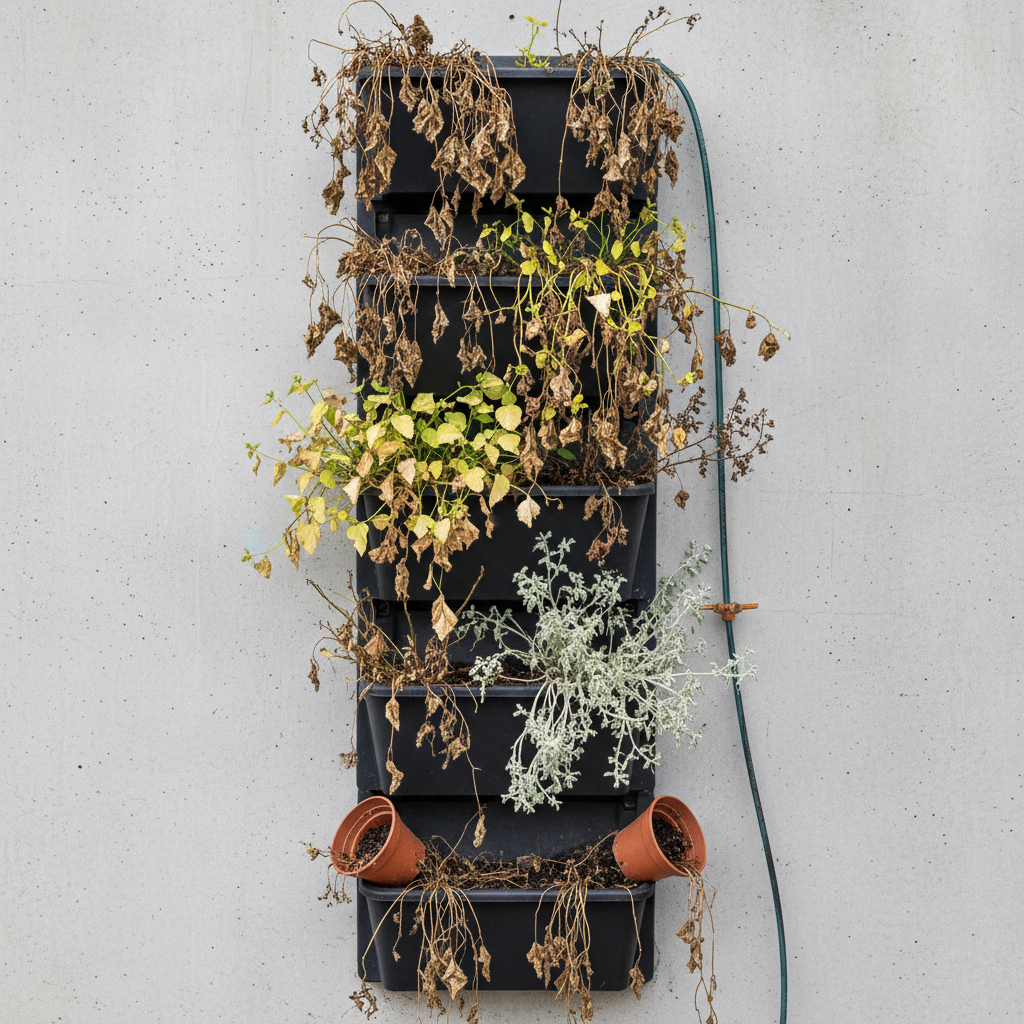
Common Mistakes in vertical gardening offers an innovative solution for urban dwellers and gardening enthusiasts seeking to maximize limited space. By growing plants vertically, you can cultivate a variety of herbs, vegetables, and ornamental plants in areas where traditional gardening isn't feasible. However, embarking on a vertical gardening journey without proper knowledge can lead to common pitfalls that hinder plant growth and overall garden success.
Introduction
Vertical gardening has revolutionized the way we approach urban agriculture, allowing individuals to grow plants in confined spaces such as balconies, rooftops, and even indoor environments. This method not only conserves space but also adds aesthetic value to urban settings. However, to ensure a thriving vertical garden, it's crucial to be aware of and avoid common mistakes in vertical gardening that can impede plant health and growth. In this article, we'll explore these pitfalls and provide actionable tips to help you cultivate a successful vertical garden.
7 Common Mistakes in Vertical Gardening and How to Avoid Them
1. Inadequate Sunlight Exposure
Mistake: Placing the garden in a location with insufficient sunlight.
Sunlight is essential for photosynthesis, and without adequate exposure, plants can become leggy and weak.
Solution:
- Assess Sunlight Availability: Observe the chosen location throughout the day to determine the amount of direct sunlight it receives.
- Select Appropriate Plants: Choose sun-loving plants for areas with ample sunlight and shade-tolerant varieties for less sunny spots.
- Consider Light Intensity: South-facing walls typically receive more sun in the northern hemisphere; east or west-facing areas may get morning or afternoon sun.
Ensuring your plants receive the right amount of sunlight is crucial for their health and productivity.
2. Using Inappropriate Plant Varieties
Mistake: Selecting plants that are not suited for vertical growth or the specific conditions of a vertical garden.
Not all plants thrive in vertical setups; some may require more space or different care than vertical gardens can provide.
Solution:
- Choose Suitable Plants: Opt for lightweight plants like small herbs, succulents, trailing vines, or compact vegetables that adapt well to containers and limited soil.
- Group by Water Needs: Organize plants with similar irrigation requirements together to ensure consistent care.
- Research Growth Habits: Use plants that naturally climb, trail, or spread horizontally, as they adapt better to vertical spaces.
Selecting the right plant varieties is fundamental to the success of your vertical garden.
3. Neglecting Proper Irrigation
Mistake: Overwatering or underwatering due to the unique structure of vertical gardens.
Improper watering can lead to root rot or dehydration, especially when gravity causes water to drain quickly from upper containers while lower ones may retain excess moisture.
Solution:
- Implement Drip Irrigation: Install drip lines or self-watering systems designed for vertical gardens to deliver water evenly.
- Ensure Good Drainage: Make sure planting pockets have drainage holes and use lightweight potting mix that retains moisture but drains well.
- Monitor Soil Moisture: Use moisture meters or check soil regularly by touch to maintain optimal moisture levels.
- Water at Optimal Times: Early morning is best for watering as it reduces evaporation and allows plants to absorb moisture before the heat of the day.
Proper irrigation promotes healthy root development and reduces plant stress.
4. Inadequate Structural Support
Mistake: Using flimsy materials or failing to secure the vertical garden structure properly.
A weak or unsuitable support structure can cause your vertical garden to collapse or damage plants.
Solution:
- Choose Durable Materials: Use treated wood, metal frames, or commercial vertical garden kits made for outdoor use.
- Ensure Proper Anchoring: Attach structures securely to walls or use weighted bases to prevent tipping.
- Consider Weight Loads: Calculate how much saturated soil plus plants will weigh and build accordingly to prevent structural failure.
- Regular Inspections: Check joints and fix any looseness promptly to maintain stability.
A stable frame prevents accidents and structural failures that can damage your garden and property.
5. Overcrowding Plants
Mistake: Planting too many seedlings too close together, leading to competition for light, water, and nutrients.
Overcrowding can stunt growth and increase the risk of fungal diseases due to trapped moisture between leaves.
Solution:
- Follow Spacing Guidelines: Refer to seed packets or plant labels for recommended spacing to ensure each plant has enough room to grow and develop properly.
- Prune Regularly: Remove excess foliage to maintain at least an inch of space between plants, especially in humid climates.
- Rotate Crops: Ensure that larger plants do not overshadow smaller ones by planning your planting layout carefully.
Proper spacing reduces disease pressure and makes maintenance easier, leading to healthier plants and better harvests.
6. Ignoring Soil Quality
Mistake: Using heavy garden soil that compacts in containers, reducing aeration and drainage.
Poor soil quality can hinder plant growth and health.
Solution:
- Use Quality Potting Mix: Select lightweight potting soil blends formulated for container gardening that include perlite or vermiculite for better drainage.
- Add Organic Matter: Incorporate compost or worm castings for slow-release nutrients to support plant growth.
- Feed Consistently: Apply liquid fertilizers every few weeks during the growing season based on plant needs to ensure adequate nutrition.
- Mulch Surface: Adding mulch helps retain moisture and regulate temperature in soil pockets, benefiting plant health.
Good soil management boosts plant health by providing necessary nutrients and ideal root environments.
7. Overlooking Pest Management
Mistake: Waiting until infestation spreads or using harsh chemicals that harm plants or beneficial insects.
Pests can quickly damage plants if not addressed promptly.
Solution:
- Inspect Plants Regularly: Check leaves' undersides and stems frequently for early signs of pests to catch issues early.
- Encourage Beneficial Insects: Attract ladybugs and lacewings by planting companion flowers nearby to naturally control pest populations.
- Use Organic Controls: Apply neem oil, insecticidal soaps, or horticultural oils as preventive measures to manage pests without harming beneficial insects.
- Maintain Plant Health: Healthy plants resist pests better than stressed ones, so ensure your plants are well-cared for.
Early detection combined with eco-friendly treatments maintains a balanced garden ecosystem.
Conclusion
Embarking on a vertical gardening journey can be both rewarding and challenging. By being aware of common mistakes such as inadequate sunlight, improper plant selection, poor irrigation practices, insufficient structural support, overcrowding, neglecting soil quality, and overlooking pest management, you can take proactive steps to avoid them. Implementing the solutions provided will help you create a thriving vertical garden that not only enhances your living space but also provides fresh produce and a sense of accomplishment. Remember, successful vertical gardening requires careful planning, regular maintenance, and a commitment to learning and adapting to your plants' needs.