

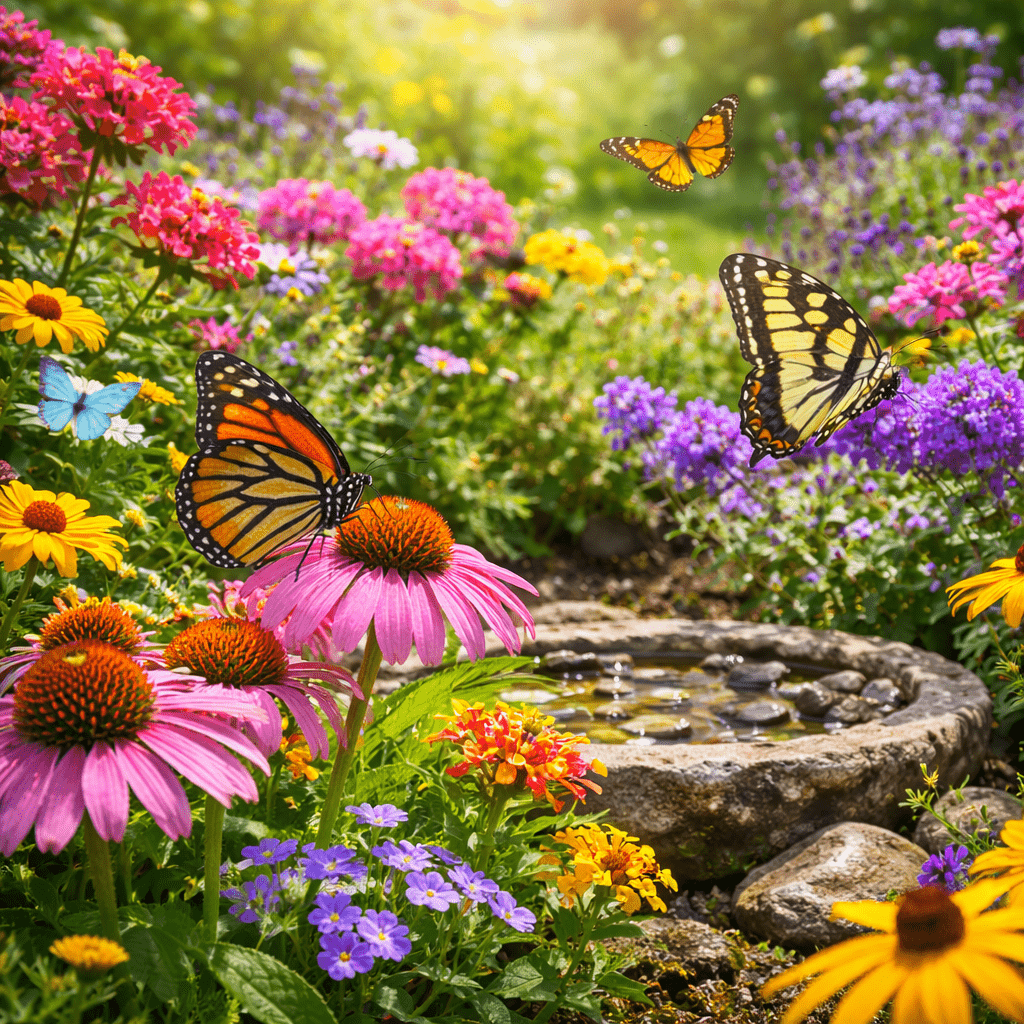
Attract butterflies to your garden spaces is a goal many gardeners share. Butterflies bring color, movement, and life to outdoor areas while also helping with pollination. Creating a garden that welcomes butterflies not only makes your yard more beautiful but also supports local ecosystems and biodiversity.If you want to attract butterflies to your garden, the secret is to recreate a habitat that provides everything butterflies need—food, shelter, sunlight, and safe breeding areas. A successful butterfly garden usually includes nectar-rich flowers, host plants for caterpillars, and natural features that mimic their native environment.
In this guide, you’ll discover 7 effective ways to attract butterflies to your garden and turn your outdoor space into a vibrant butterfly sanctuary.
1. Plant Nectar-Rich Flowers
One of the most important steps to attract butterflies to garden areas is planting flowers that produce nectar. Adult butterflies rely on nectar as their primary food source, and they are naturally drawn to bright, colorful blooms.
Butterflies prefer flowers planted in clusters rather than single plants, because larger color groupings are easier for them to locate.
Some excellent nectar plants include:
- Coneflowers
- Zinnias
- Bee balm
- Lavender
- Butterfly bush
- Black-eyed Susans
These flowers provide a rich source of nectar and will encourage butterflies to visit your garden regularly.
2. Choose Native Plants
Native plants play a major role when trying to attract butterflies to garden habitats. Butterflies and native plants have evolved together over time, which means these plants provide ideal nectar and breeding environments.
Native flowers are also easier to maintain because they are already adapted to local soil, climate, and rainfall conditions.
For example:
- Milkweed supports monarch butterflies
- Goldenrod attracts many fall butterfly species
- Native asters provide late-season nectar
By planting native flowers, you not only attract butterflies but also support local wildlife and pollinators.
3. Provide Host Plants for Caterpillars
Many gardeners focus only on nectar flowers, but host plants are equally important when creating a butterfly-friendly garden.
Host plants are where butterflies lay their eggs, and they provide food for caterpillars once they hatch. Without these plants, butterflies may visit your garden but won’t stay to reproduce.
Common host plants include:
- Milkweed for monarch butterflies
- Parsley and dill for swallowtail butterflies
- Passionflower vines for gulf fritillary butterflies
Adding host plants ensures your garden supports the entire butterfly life cycle, from egg to adult.
4. Plant Flowers That Bloom Throughout the Seasons
To successfully attract butterflies to garden spaces all year, it’s important to provide flowers that bloom at different times.
Butterflies appear during different seasons depending on the species. By staggering bloom times, your garden can offer nectar from early spring until late fall.
A seasonal planting plan might include:
Spring flowers
- Phlox
- Lilacs
- Verbena
Summer flowers
- Zinnias
- Bee balm
- Cosmos
Fall flowers
- Asters
- Goldenrod
- Sedum
This continuous supply of nectar will keep butterflies returning throughout the year.
5. Create Sunny and Wind-Protected Areas
Butterflies are cold-blooded insects that depend on sunlight to warm their bodies before flying. That’s why sunny garden areas are essential if you want to attract butterflies to your garden.
Choose planting spots that receive at least 6 hours of sunlight daily. At the same time, try to protect these areas from strong winds, which can make it difficult for butterflies to fly and feed.
Planting near fences, shrubs, or garden walls can create natural windbreaks while still providing plenty of sunlight.
6. Add Water Sources and Puddling Areas
Butterflies need water, but they don’t drink from deep birdbaths like birds do. Instead, they prefer shallow water sources or muddy areas where they can absorb moisture and minerals.
You can create a simple butterfly watering station by:
- Placing shallow dishes filled with water
- Adding small stones for landing spots
- Creating a damp sand area for puddling
These puddling spots provide essential nutrients butterflies cannot get from nectar alone.
7. Avoid Pesticides and Encourage Natural Balance
If your goal is to attract butterflies to garden environments, eliminating pesticides is critical. Many chemical pesticides kill caterpillars and adult butterflies, even when used in small amounts.
Instead, focus on natural pest control methods such as:
- Encouraging beneficial insects
- Planting a diverse mix of flowers
- Using companion planting
A healthy ecosystem naturally balances pests and predators, reducing the need for harmful chemicals.
Bonus Tip: Add Sun-Basking Spots
Butterflies often rest and warm their wings before flying. Adding flat stones or rocks in sunny areas gives them a perfect place to bask.
These simple features mimic natural habitats and encourage butterflies to stay longer in your garden.
Create a Butterfly-Friendly Garden That Thrives
Learning how to attract butterflies to garden spaces is not only rewarding but also beneficial for the environment. By planting nectar flowers, including host plants, and creating natural habitats, you can transform your outdoor space into a thriving butterfly sanctuary.
Butterflies will visit your garden for food, shelter, and reproduction, bringing beauty and movement to your landscape. At the same time, your garden will help support pollinators and contribute to local conservation efforts.
With the right plants and thoughtful garden design, you can enjoy the magical sight of butterflies fluttering through your garden throughout the growing season. 🌸🦋