

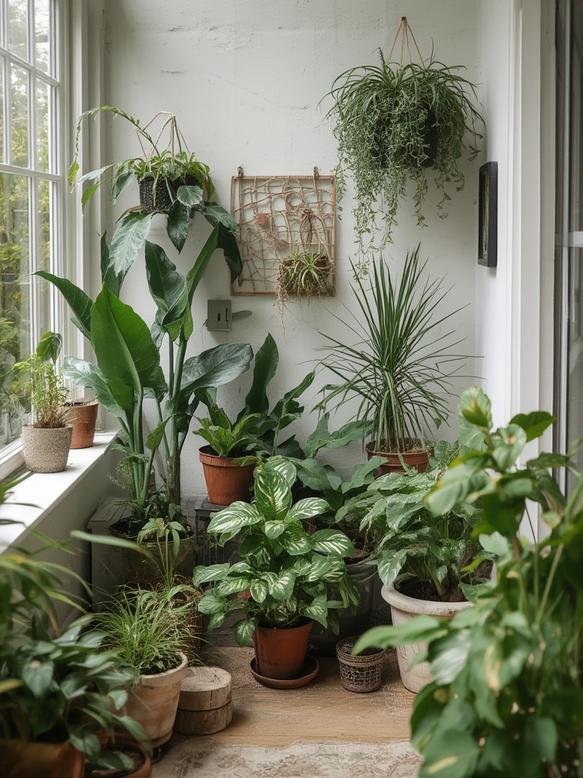
Creating a beautiful garden doesn’t have to mean endless watering, pruning, and replanting. In 2026, smarter gardening trends are all about sustainability, resilience, and simplicity. If you’re looking to build a thriving outdoor space without constant upkeep, learning how to choose and grow easy low maintenance garden plants is the key.
Whether you’re a beginner, a busy homeowner, or simply want a stress-free landscape, this complete guide will show you how to design, plant, and maintain a garden that practically takes care of itself.
Table of Contents
- Why Easy Low Maintenance Garden Plants Are Trending in 2026
- What Makes a Plant Low Maintenance?
- How to Prepare Your Garden for Low Maintenance Success
- Best Easy Low Maintenance Garden Plants for 2026
- Smart Planting Techniques for Minimal Care
- Watering & Soil Tips to Reduce Work
- Common Mistakes to Avoid
- Conclusion
- FAQ
Why Easy Low Maintenance Garden Plants Are Trending in 2026
Gardening trends in 2026 focus heavily on:
- Climate resilience
- Water conservation
- Pollinator-friendly landscapes
- Time-saving gardening systems
- Sustainable planting practices
Homeowners are shifting away from high-maintenance lawns and delicate flowers toward hardy perennials, drought-tolerant shrubs, and native species. The goal is simple: maximum beauty with minimal effort.
Choosing easy low maintenance garden plants allows you to enjoy your outdoor space instead of constantly working in it.
What Makes a Plant Low Maintenance?
Not all plants are created equal. The best easy low maintenance garden plants share these qualities:
- Drought tolerance
- Pest and disease resistance
- Slow growth habits
- Adaptability to various soil types
- Minimal pruning requirements
Perennials, native plants, and hardy shrubs often outperform annual flowers in long-term sustainability.
How to Prepare Your Garden for Low Maintenance Success
Before planting, preparation is everything.
1. Improve Soil Quality First
Healthy soil reduces future problems. Mix compost into your beds to improve drainage and nutrient retention. Avoid heavy clay compaction.
2. Install Mulch
Mulch is your secret weapon. It:
- Suppresses weeds
- Retains moisture
- Regulates soil temperature
- Reduces watering frequency
Organic mulch like bark chips or shredded leaves works best.
3. Choose the Right Location
Match plants to sunlight conditions:
- Full sun (6+ hours)
- Partial shade
- Full shade
Placing plants in the right spot reduces stress and maintenance needs.
Best Easy Low Maintenance Garden Plants
Here are top-performing plants that thrive with minimal care:
🌿 Perennials
- Lavender
- Coneflowers (Echinacea)
- Black-eyed Susan
- Daylilies
- Hostas (for shade)
🌾 Ornamental Grasses
- Fountain grass
- Blue fescue
- Switchgrass
These add texture and require little pruning.
🌵 Drought-Tolerant Plants
- Sedum
- Russian sage
- Yarrow
- Agave (in warm climates)
🌸 Shrubs
- Boxwood
- Hydrangea (hardy varieties)
- Spirea
These provide structure year-round without constant attention.
Choosing native species in your region further reduces watering and fertilizing needs.
Smart Planting Techniques for Minimal Care
Design plays a huge role in creating easy low maintenance garden plants that truly stay easy.
Group Plants by Water Needs
This technique, known as hydrozoning, ensures plants with similar watering requirements are planted together.
Use Dense Planting to Reduce Weeds
When plants grow closely (but not overcrowded), they naturally block sunlight from reaching weeds.
Choose Perennials Over Annuals
Annual flowers require replanting every season. Perennials return year after year with minimal effort.
Watering & Soil Tips to Reduce Work
Watering is often the most time-consuming task. Reduce the burden by:
- Installing drip irrigation systems
- Watering deeply but less frequently
- Using rain barrels for sustainable watering
- Improving soil with organic matter
Deep watering encourages stronger root systems, making plants more drought-resistant.
Common Mistakes to Avoid
Even easy low maintenance garden plants can struggle if these mistakes occur:
❌ Overwatering
Too much water causes root rot and weak growth.
❌ Ignoring Plant Spacing
Overcrowding increases disease risk.
❌ Choosing High-Maintenance Varieties
Some plants look hardy but require frequent trimming or fertilizing.
❌ Skipping Mulch
Bare soil invites weeds and moisture loss.
Avoiding these common issues ensures your garden stays low-effort long-term.
How to Maintain Your Low Maintenance Garden
The beauty of using easy low maintenance garden plants is that ongoing care is simple:
- Trim once or twice per year
- Refresh mulch annually
- Remove dead blooms occasionally
- Check irrigation seasonally
Most established plants will thrive independently after their first growing season.
Conclusion
Creating a stress-free outdoor space is completely achievable in 2026. By choosing the right easy low maintenance garden plants, preparing your soil properly, and using smart planting strategies, you can build a beautiful landscape that thrives with minimal effort.
Low-maintenance gardening isn’t about neglect — it’s about designing smarter. When you select resilient plants, group them wisely, and improve soil health, your garden becomes self-sustaining, water-efficient, and enjoyable year after year.
Start simple, plant wisely, and let nature do most of the work.
FAQ About Easy Low Maintenance Garden Plants
1. What are the easiest low maintenance garden plants for beginners?
Lavender, coneflowers, daylilies, sedum, and ornamental grasses are excellent beginner-friendly choices.
2. How often should low maintenance plants be watered?
Most drought-tolerant plants need deep watering once every 1–2 weeks after establishment.
3. Are native plants considered low maintenance?
Yes. Native plants adapt naturally to local soil and climate conditions, reducing care requirements.
4. Do low maintenance gardens still need fertilizer?
Minimal fertilizing is needed. Adding compost once per year is usually enough.
5. How long does it take for a low maintenance garden to establish?
Typically one full growing season. After that, maintenance needs decrease significantly.