

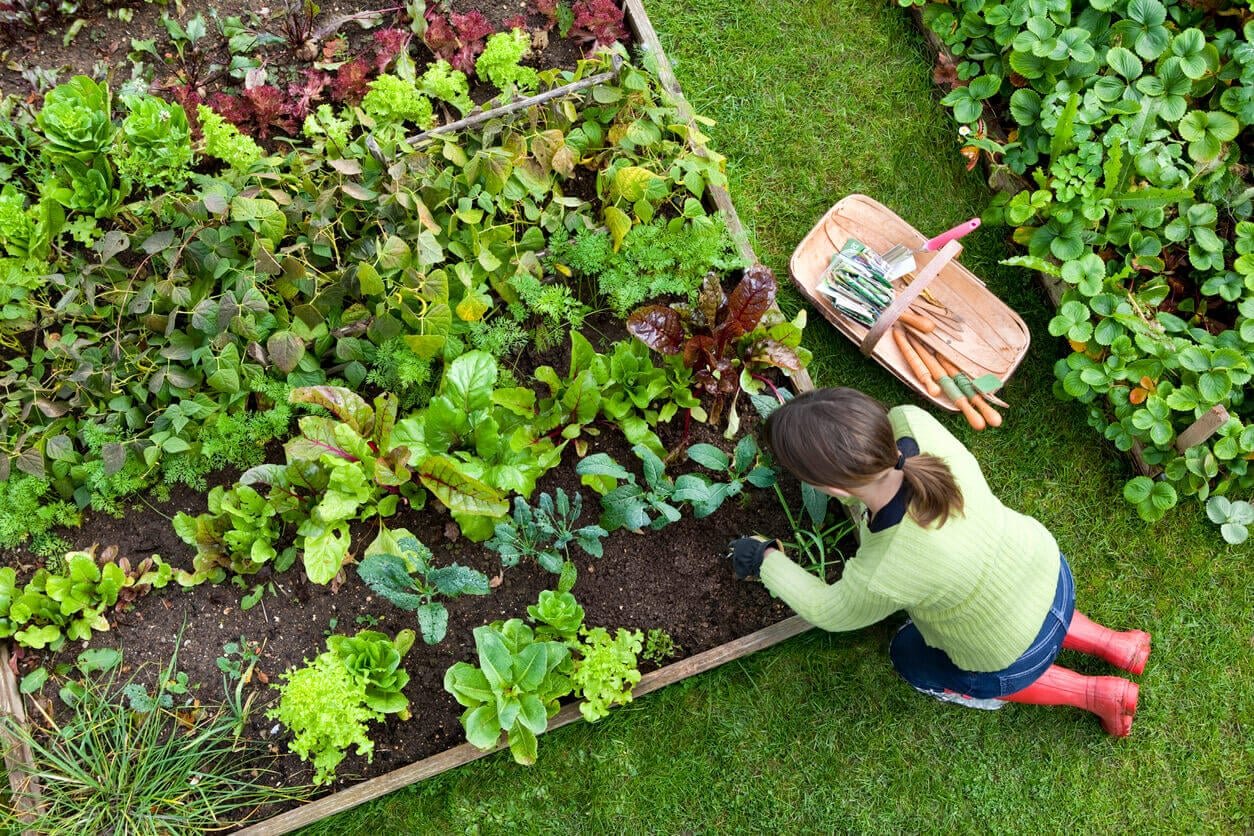
Starting a home garden is exciting, but real success begins with smart Vegetable Garden Planning. Without a clear strategy, even the most enthusiastic gardener can struggle with poor yields, pests, or overcrowded beds. With the right planning approach, however, your backyard, raised bed, or even containers can become a steady source of fresh, healthy produce.
Whether you’re a beginner planting your first seeds or an experienced grower refining your layout, thoughtful preparation and consistent care make all the difference. This guide breaks down Vegetable Garden Planning into five proven care tips that will help you maximize harvests, improve soil health, and create a productive garden season after season.
Table of Contents
- Why Vegetable Garden Planning Matters
- Tip #1: Choose the Right Location and Prepare the Soil
- Tip #2: Select the Right Crops for Your Climate
- Tip #3: Design a Smart Garden Layout
- Tip #4: Master Watering, Mulching, and Pest Control
- Tip #5: Practice Crop Rotation and Timely Harvesting
- Conclusion
Why Vegetable Garden Planning Matters
Proper Vegetable Garden Planning ensures that every plant has the sunlight, nutrients, water, and space it needs to thrive. Instead of guessing where to plant tomatoes or how often to water lettuce, a structured plan eliminates confusion and reduces costly mistakes.
When done correctly, planning helps you:
- Increase yields
- Reduce pest and disease issues
- Improve soil fertility
- Extend your growing season
- Maximize even small gardening spaces
A little preparation now saves time and effort throughout the growing season.
Tip #1: Choose the Right Location and Prepare the Soil
The foundation of successful Vegetable Garden Planning starts with selecting the right spot. Most vegetables require at least six hours of direct sunlight per day. Without enough light, plants become weak and produce fewer fruits.
Equally important is soil quality. Test your soil’s pH and nutrient levels before planting. Vegetables typically thrive in slightly acidic to neutral soil (around 6.0–7.0 pH). Enrich your garden bed with compost or organic matter to improve structure, drainage, and fertility.
Healthy soil promotes strong root systems, which directly impacts plant growth and productivity.
Tip #2: Select Crops Suited to Your Climate and Season
One of the most overlooked aspects of Vegetable Garden Planning is choosing crops appropriate for your region and season. Planting warm-season vegetables too early or cool-season crops too late can lead to disappointing results.
Beginners should start with reliable, easy-to-grow vegetables such as:
- Tomatoes
- Lettuce
- Beans
- Peppers
- Zucchini
Create a planting calendar based on your local frost dates. Stagger seed planting every few weeks to ensure continuous harvests rather than a single overwhelming crop.
Tip #3: Design a Smart Garden Layout
A well-thought-out layout is essential for efficient Vegetable Garden Planning. Sketching your garden before planting helps optimize space and avoid overcrowding.
Consider these strategies:
- Group plants with similar water and sunlight needs.
- Use companion planting to naturally deter pests.
- Place taller plants like tomatoes or corn on the north side to prevent shading smaller crops.
- Utilize vertical supports for climbing plants to save space.
Even small areas such as raised beds or containers can produce impressive yields when arranged strategically.
Tip #4: Master Watering, Mulching, and Pest Control
Ongoing care is just as important as initial planning. Water plants deeply but less frequently to encourage deep root growth. Early morning watering reduces evaporation and helps prevent fungal diseases.
Mulching is another powerful tool in Vegetable Garden Planning. Applying mulch around plants:
- Conserves soil moisture
- Suppresses weeds
- Regulates soil temperature
- Improves soil structure over time
Regularly monitor plants for pests and diseases. Opt for organic solutions like neem oil or introduce beneficial insects to maintain a healthy garden ecosystem. Removing weeds promptly also minimizes competition for nutrients.
Tip #5: Rotate Crops and Harvest Consistently
Crop rotation is a key long-term strategy in successful Vegetable Garden Planning. Avoid planting the same crop family in the same spot year after year. Rotation prevents soil nutrient depletion and reduces disease buildup.
As vegetables mature, harvest them promptly. Frequent harvesting encourages plants like beans, cucumbers, and tomatoes to continue producing. Leaving produce on the plant too long can slow future growth.
Consistent attention keeps your garden productive throughout the season.
Conclusion
Mastering Vegetable Garden Planning transforms gardening from a guessing game into a rewarding, productive experience. By choosing the right location, improving soil health, selecting climate-appropriate crops, designing an efficient layout, and maintaining consistent care, you set the stage for abundant harvests.
Whether you’re growing in a spacious backyard or a compact raised bed, thoughtful planning and proven care techniques will help you enjoy fresher meals, healthier plants, and the satisfaction of growing your own food.
With these five proven tips, your vegetable garden isn’t just planted — it’s positioned for success. 🌱