

Introduction
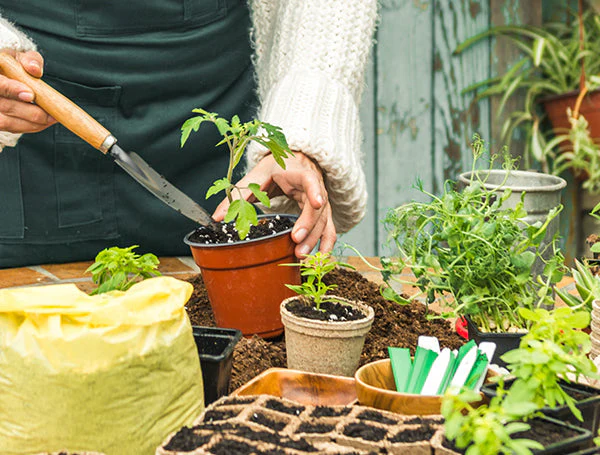
Ever felt the thrill of biting into a tomato you grew yourself? There’s nothing like the taste of homegrown veggies—crisp, flavorful, and packed with nutrients. Whether you have acres of land or just a sunny windowsill, learning how to start a plant your home garden is easier than you think. For those new to growing food, a vegetable garden for beginners offers a rewarding entry point into sustainable living, saving money, and reconnecting with nature. In this guide, you’ll discover everything from soil prep to harvest, ensuring your first garden thrives.
Materials & Supplies
Essential Items:
- Seeds or seedlings: Start with easy crops like lettuce, radishes, or tomatoes.
- Soil: Opt for nutrient-rich potting mix (for containers) or compost-enriched garden soil.
- Containers or garden beds: Use pots with drainage holes or build raised beds (ideal for small spaces).
- Tools: Trowel, gloves, watering can, and pruning shears.
- Fertilizer: Organic options like fish emulsion or compost tea.
Optional Extras:
- Mulch (straw or wood chips) to retain moisture.
- Trellises for climbing plants like beans.
- pH test kit to check soil acidity.
Timing / Growing Schedule of Plant Your Home Garden
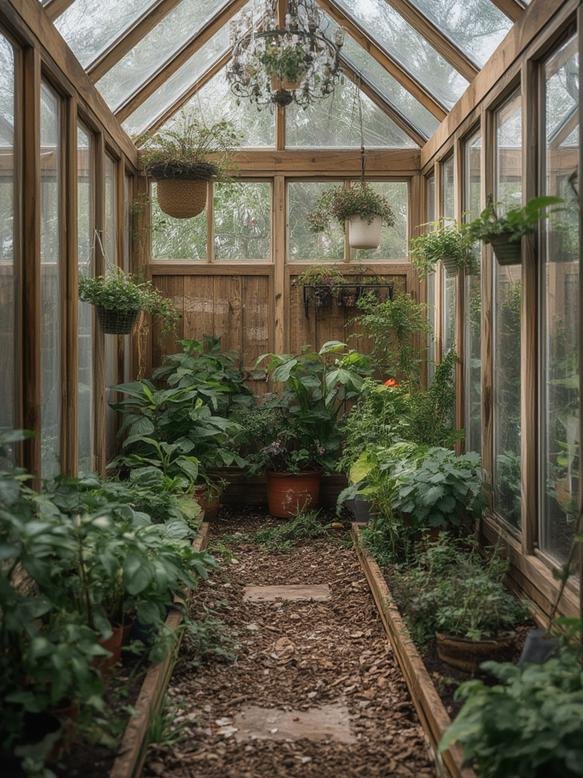
- Prep Time: 1–2 weeks (soil testing, bed preparation).
- Growth Period: Fast growers like lettuce (30 days) vs. slower ones like tomatoes (60–90 days).
- Harvest: Stagger planting for continual yields.
Pro Tip: Follow regional planting calendars—cool-season crops (spinach, peas) in spring/fall; warm-season (peppers, cucumbers) after frost.
Step-by-Step Instructions
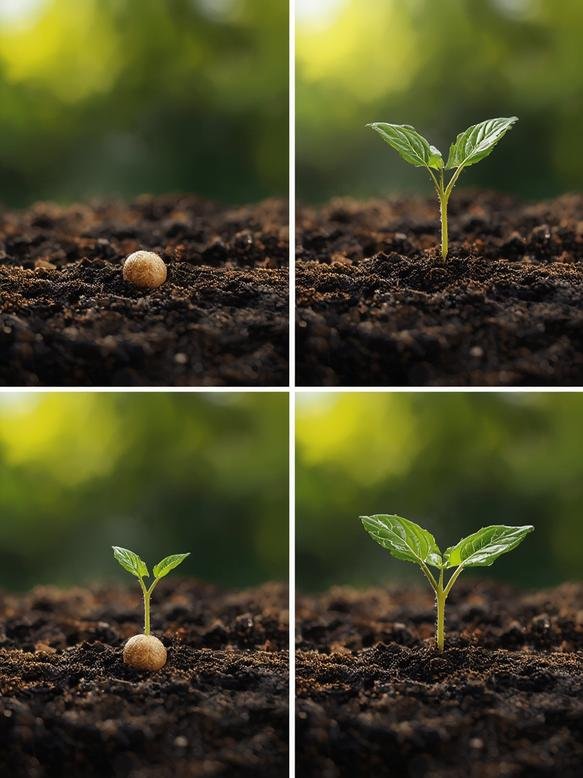
1. Choose Your Spot: 6+ hours of sunlight daily for most veggies.
2. Prep Soil: Remove weeds, loosen soil, and mix in compost.
3. Plant Seeds/Seedlings: Follow spacing guidelines (e.g., 18” apart for tomatoes).
4. Water Deeply: Keep soil moist but not soggy—water at the base, not leaves.
5. Apply Mulch: Reduce weeds and retain moisture.
6. Monitor Growth: Check for pests, and support plants with stakes if needed.
Nutritional Benefits / Advantages
- Health Boost: Homegrown produce retains more vitamins (e.g., vitamin C in peppers degrades faster in store-bought veggies).
- No Chemicals: Control what goes into your food—go organic!
- Eco-Friendly: Reduces plastic waste and carbon footprints from transportation.
Tips & Alternative Methods
- Container Gardening: Perfect for balconies—use fabric pots or repurpose buckets.
- Indoor Gardens: Grow herbs or microgreens under LED lights.
- Raised Beds: Improve drainage and reduce back strain (ideal for root veggies).
- Climate Tip: In hot areas, use shade cloth; in cold zones, try cold frames.
Common Mistakes to Avoid
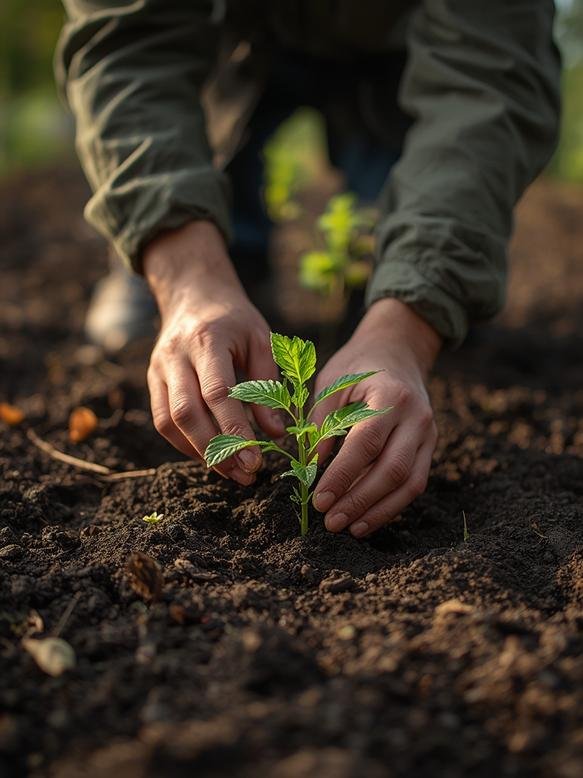
1. Overwatering: Soil should feel damp, not waterlogged—use the “knuckle test.”
2. Ignoring Sunlight: Leafy greens tolerate shade, but fruiting plants need full sun.
3. Crowding Plants: Poor airflow invites disease. Follow spacing guides!
4. Skipping Soil Prep: Nutrient-poor soil = weak plants—always enrich with compost.
Storage & Maintenance Tips
- Harvesting: Pick early morning for peak crispness.
- Storage: Most veggies last longer unwashed in breathable bags (fridge crisper drawer).
- Ongoing Care: Fertilize every 3–4 weeks, prune yellow leaves, and rotate crops yearly.
Conclusion
Starting a garden transforms how you eat, live, and connect with nature. With these steps, even a modest vegetable garden for beginners can yield impressive results. Remember, every expert gardener began by learning how to start a home garden. Ready to dig in? Grab your seeds, and let’s grow together! Share your first harvest photos with #MyFirstGarden!
FAQs
Q: What’s the easiest vegetable for beginners?
A: Radishes! They sprout in 3–5 days and mature in 25–30 days.
Q: How often should I water?
A: 1–2 inches per week—more in heat. Water deeply 2–3 times weekly vs. light daily sprinkles.
Q: My plants are wilting. Help!
A: Check for overwatering (soggy soil) or pests (aphids). Adjust watering and use neem oil sprays.
Q: Can I grow veggies in shady yards?
A: Yes! Stick to leafy greens (kale, spinach) or herbs that tolerate 3–4 hours of sun.
Q: Should I start with seeds or seedlings?
A: Seedlings (like tomatoes) give a head start. Seeds work well for fast growers (beans, lettuce).