

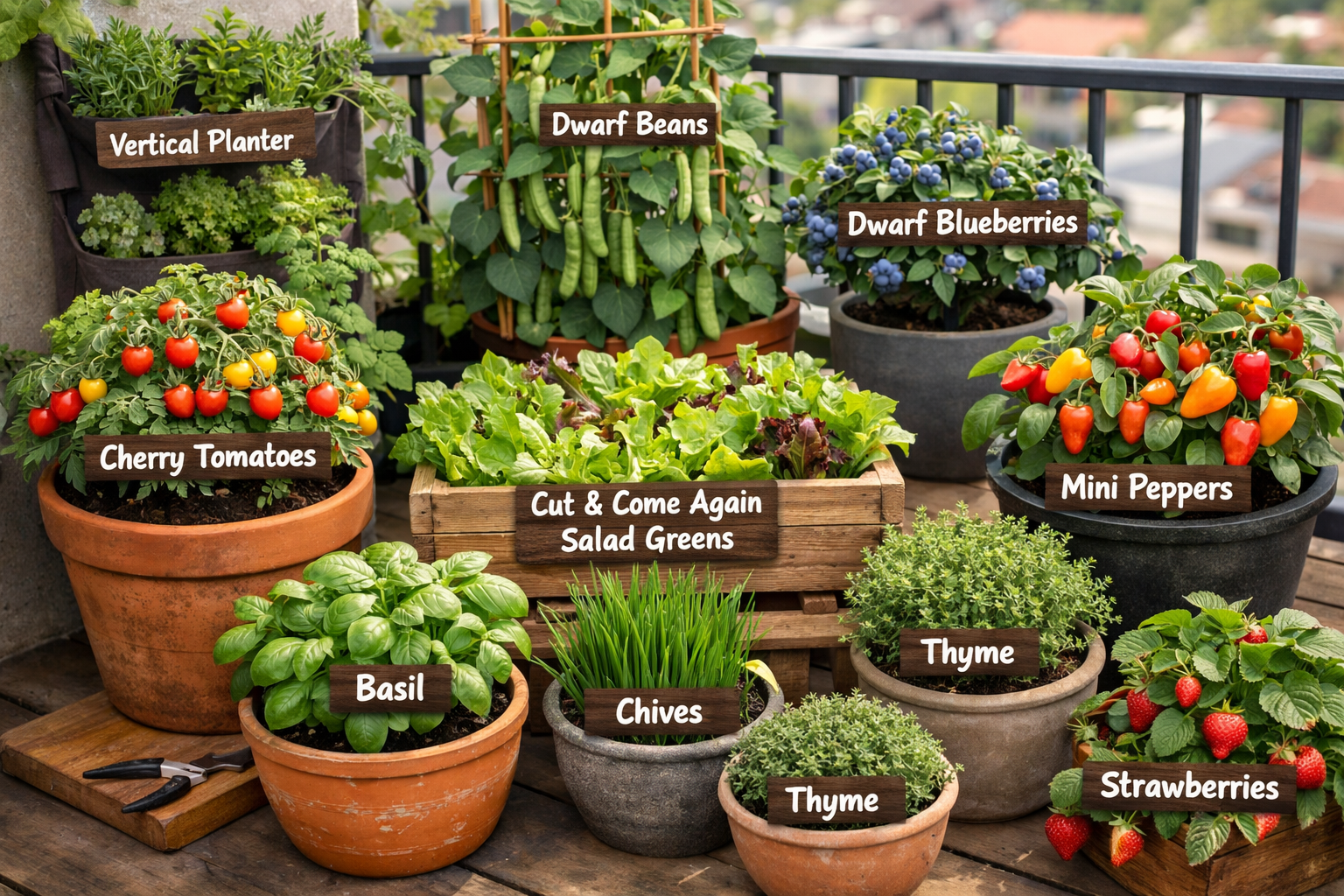
Creating a lush, productive outdoor space doesn’t require a large backyard. In fact, with the right strategy and plant selection, Compact Gardens can be just as vibrant and rewarding as expansive landscapes. The key lies in choosing Smart Plants that maximize space, require minimal maintenance, and deliver high visual or edible impact.
As urban living spaces continue to shrink, gardeners are turning to creative solutions that make every square foot count. Whether you’re working with a small patio, balcony, courtyard, or raised bed, selecting the right plants ensures healthy growth without overcrowding. From dwarf varieties and vertical growers to multi-purpose herbs and ornamental edibles, smart planning transforms tight spaces into thriving green havens.
In this guide, you’ll discover 10 Smart Plants for Compact Gardens that combine beauty, productivity, and efficiency. If you’re ready to grow more in less space while keeping maintenance simple, these carefully selected plants will help you design a garden that works smarter — not harder. 🌿
Materials & Supplies
Gather these essentials to start your small-space garden strong:
1. Compact Plant Varieties: Start with dwarf cultivars (e.g., patio tomatoes, mini hostas) or plants that grow vertically.
2. Quality Potting Soil: Lightweight, nutrient-rich mixes with perlite for drainage (avoid heavy garden soil).
3. Smart Containers: Self-watering pots, hanging baskets, or stackable planters (terracotta dries out quickly).
4. Slow-Release Fertilizer: Granular options reduce frequent feeding needs.
5. Gardening Tools: Mini trowel, pruning snips, and a watering can with a narrow spout for precision.
6. Optional Extras: Trellises (for beans or cucumbers), drip irrigation kits (for busy gardeners), and grow lights (indoor setups).
Timing / Growing Schedule
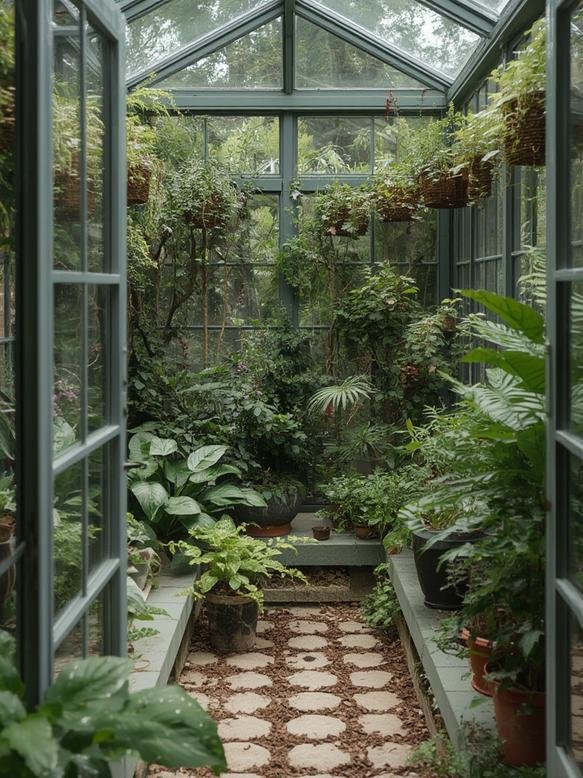
Prep Time: 1–2 hours (potting plants, arranging containers).
Growth Durations:
- Quick Growers: Radishes (3–4 weeks), lettuce (30 days), marigolds (8 weeks to bloom).
- Longer-Term Picks: Dwarf citrus trees (1–2 years for fruit), compact lavender (blooms year 2).
Harvest Windows:
- Spring/Summer: Leafy greens, strawberries, cherry tomatoes.
- Fall/Winter: Kale, parsley, ornamental cabbages (frost-resistant).
Pro Tip: Use succession planting! Harvest romaine and immediately sow spinach seeds in the same pot.
Step-by-Step Instructions
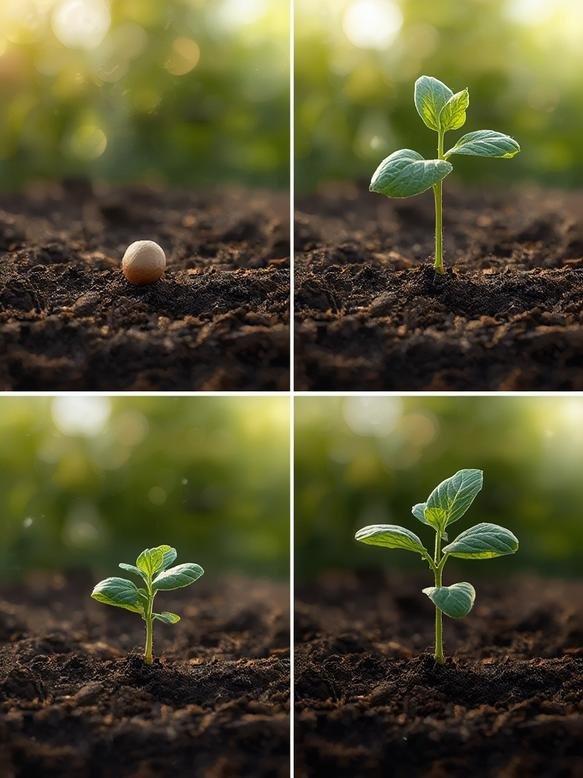
Follow these steps to cultivate your best plants for small gardens successfully:
1. Assess Light & Space: Match plants to conditions. Herbs like basil need 6+ hours of sun; ferns thrive in shade.
- Action Tip: Use a sun-tracking app for accuracy.
2. Layer Plants Vertically: Save floor space with wall planters, shelves, or climbers (peas, nasturtiums).
- Action Tip: Attach a trellis to a balcony rail for beans.
3. Pot Smart: Always use containers with drainage holes. Place taller plants (dwarf lemongrass) at the back, trailing varieties (ivy) at the front.
4. Water Strategically: Small pots dry faster—water in the early morning. Add mulch (coco coir) to retain moisture.
5. Prune Religiously: Trim leggy stems on coleus or mint weekly to encourage bushy growth; pinch off spent blooms for more flowers.
Your small garden plants will flourish with regular attention and creative layouts!
Nutritional Benefits / Advantages
Growing your own compact garden isn’t just space-efficient—it’s a wellness powerhouse:
- Higher Nutrient Density: Fresh-picked greens (spinach, arugula) retain more vitamins than store-bought.
- Stress Relief: Tending plants lowers cortisol levels (proven in multiple studies!).
- Eco Perks: Fewer food miles, pollinator support (even 1 pot of lavender helps bees).
Tips, Alternative Methods, or Gardening Advice
Small-Space Hacks:
- Window Box Herbs: Basil, thyme, and chives thrive here—snip adds instant flavor to meals!
- Microgreens Indoors: Grow vitamin-packed sprouts on a kitchen counter in 10 days flat.
- Cold Climate Fix: Use mobile containers—wheel planters indoors during frosts.
Organic Shortcuts: Mix compost tea (steep compost in water for 48 hours) for chemical-free fertilizer.
Common Mistakes to Avoid
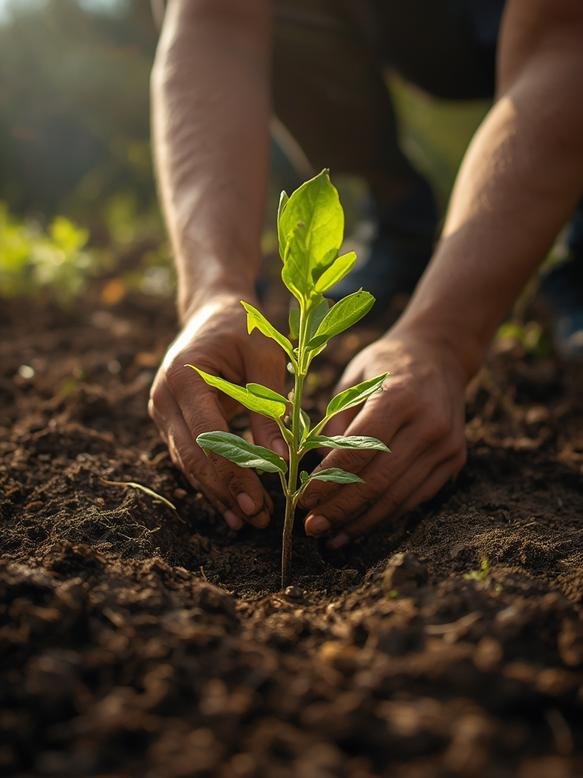
Avoid these pitfalls to keep your small garden plants happy:
- Overcrowding Pots: Limit to 1 tomato or 3 lettuces per 12-inch pot. Crowding = disease.
- Ignoring Drainage: Layer pots with pebbles at the bottom to prevent root rot.
- Forgetting Wind Exposure: Anchor top-heavy pots (dwarf sunflowers) with stones at the base.
Storage / Maintenance Tips
For Edibles:
- Freeze herbs in olive oil cubes. Dry chili peppers on strings.
- Ongoing Care: Fertilize every 4 weeks; rotate pots for even sun exposure.
For Ornamentals:
- Prune in spring (roses, dwarf hydrangeas). Protect frost-tender plants with burlap wraps.
Conclusion
Small gardens are proof that great things come in tiny packages! By selecting the best plants for small gardens, leveraging vertical space, and avoiding overcrowding, even the tiniest plot can burst with life—and rewards. Small garden plants like cherry tomatoes, succulents, and dwarf zinnias make it easy to enjoy beauty or homegrown meals without acres of land.
FAQs
Q: What are the most forgiving plants for beginners in small gardens?
A: Marigolds, mint, cherry tomatoes, and snake plants thrive with minimal care—water when soil feels dry!
Q: How often should I water container plants?
A: Check daily in heat waves. Stick your finger 1 inch into the soil—if dry, water deeply until it drains out the bottom.
Q: Can I grow vegetables in partial shade?
A: Yes! Leafy greens (kale, spinach), radishes, and parsley tolerate 4–6 hours of sun.
Q: Do I need to repot small garden plants yearly?
A: Depends! Fast-growers (peppers) need repotting annually; slow ones (succulents) can go 2–3 years.
Q: How do I keep pests off my balcony garden?
A: Spray aphids with diluted dish soap, or grow pest-repelling companions (garlic, marigolds).
Ready to grow? Remember: small space ≠ small impact. Happy gardening! 🌱