

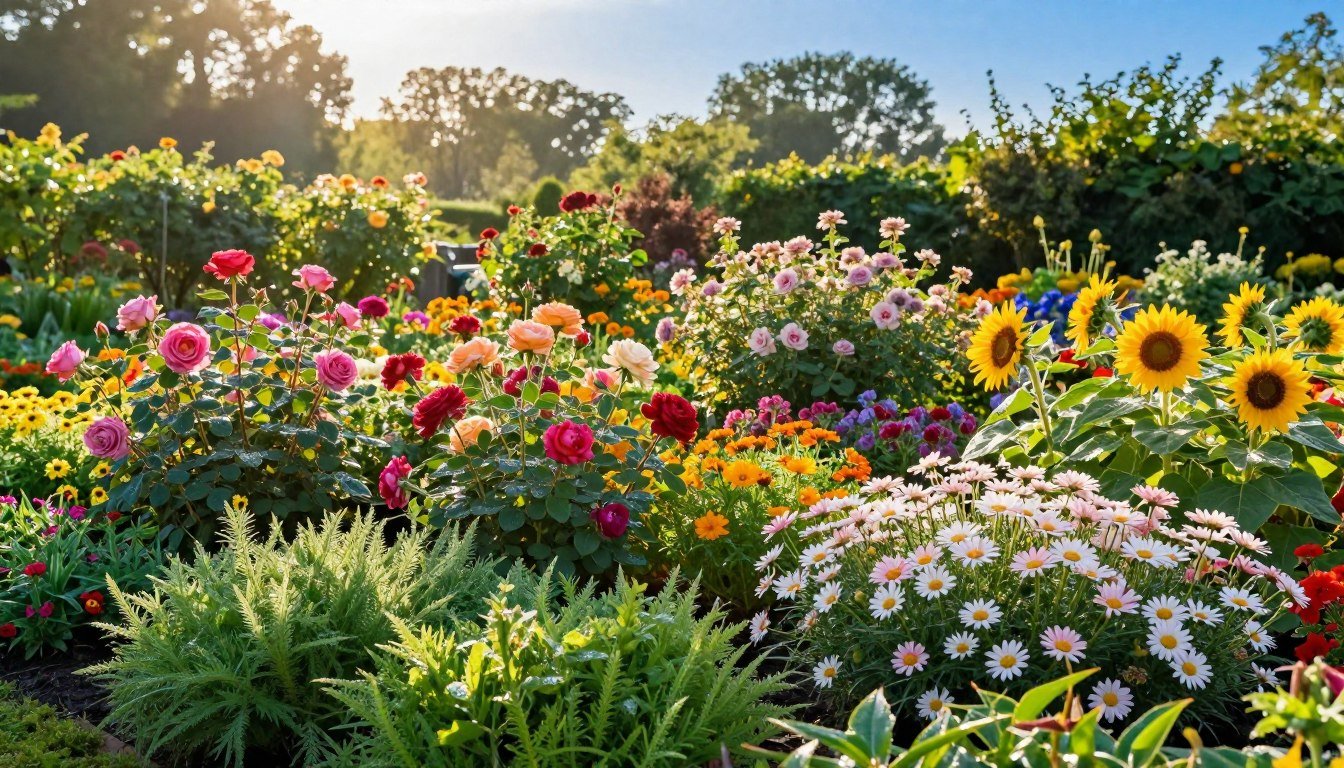
Every gardener dreams of a vibrant backyard filled with colorful blossoms. It feels rewarding to see your hard work turn into a beautiful sea of petals. However, nature does not always follow our plan.
Understanding plant care is the first step toward fixing this common garden mystery. Many factors like sunlight, water, and soil nutrients play a huge role in how your garden grows. Even small changes can make a big difference for your greenery.
We want to help you figure out why those buds haven't appeared yet. This guide explores the reasons why your favorite plants not flowering might be taking a break. Let's look at some simple fixes to get your garden back on track today.
Growing things should be fun and stress-free for everyone across the United States. By checking a few basic needs, you can encourage new growth quickly and enjoy the view. Let's dive into the details and solve this gardening puzzle together.
Understanding Why Plants Not Flowering Is Such a Common Problem
Plants not flowering can be a puzzling problem, but understanding the underlying causes can help resolve it. Many factors contribute to a plant's ability to bloom, and identifying these can be the first step towards encouraging your plants to flower.

The Science Behind Plant Flowering
Plant flowering is a complex process influenced by a combination of genetic, environmental, and nutritional factors. Hormones play a crucial role in regulating flowering, with auxins, gibberellins, and ethylene being key players. The balance of these hormones is affected by factors such as light exposure, temperature, and nutrient availability.
For instance, the photoperiod, or the length of daylight, is a critical factor for many plants. Some plants are short-day plants, flowering when daylight hours are short, while others are long-day plants that flower when daylight hours are long. Understanding these requirements can help gardeners provide the right conditions for their plants to bloom.
Common Signs Your Plant Should Be Blooming But Isn't
If your plant is healthy and mature but not producing flowers, there are several signs to look out for. Check for vigorous foliage growth, as this can indicate that the plant is receiving too much nitrogen. Also, inspect the plant for any signs of stress or disease, which can divert the plant's energy away from flowering.
Another indicator is the presence of flower buds that fail to open. This could be due to environmental stressors such as extreme temperatures or insufficient light. By identifying these signs, gardeners can take corrective action to encourage their plants to bloom.
Light-Related Issues Preventing Flowers
One of the most critical factors affecting a plant's ability to flower is light exposure. Plants require light to undergo photosynthesis, which is essential for their growth and development. However, both insufficient and excessive light can hinder a plant's ability to bloom.
Insufficient Sunlight Exposure
Insufficient sunlight is a common issue that prevents plants from flowering. Most flowering plants need a certain amount of direct or indirect sunlight to produce blooms.
How Much Light Different Flowering Plants Need
Different plants have varying light requirements. For example, plants like orchids and African violets can thrive in low-light conditions, while plants such as roses and sunflowers require full sun to bloom well. Understanding the specific light needs of your plant is crucial.
Here's a general guideline for some common flowering plants:
| Plant Type | Light Requirement |
| Roses | Full Sun (6+ hours direct sunlight) |
| Orchids | Low to Medium Light (indirect sunlight) |
| Sunflowers | Full Sun (6+ hours direct sunlight) |
Recognizing Signs of Light Deficiency
Plants often show signs when they are not getting enough light. These signs can include weak and spindly growth, fewer leaves, and a lack of flowering. If your plant is not blooming, check if it's getting sufficient light.
Too Much Direct Sunlight Stress
While many plants require sunlight to bloom, too much direct sunlight can be harmful. It can cause stress to the plant, leading to scorched leaves and preventing flowering.
To avoid this, ensure that your plants are placed in a location that provides the right amount of sunlight for their needs.
Incorrect Photoperiod for Short-Day and Long-Day Plants
The photoperiod, or the length of time a plant is exposed to light, is another critical factor. Some plants are short-day plants, requiring longer nights to bloom, while others are long-day plants, needing longer days.
Understanding Your Plant's Light Cycle Needs
Researching the specific light cycle needs of your plant can help you provide the right conditions for flowering. For example, short-day plants like poinsettias and chrysanthemums require shorter days and longer nights to produce flowers.
Adjusting the light exposure according to your plant's needs can significantly improve its chances of blooming.
Nutrient Imbalances Affecting Bloom Production
Nutrient imbalances can significantly impact a plant's ability to produce flowers. When the soil lacks the right balance of essential nutrients, plants may not bloom as expected. This section will explore how nutrient imbalances affect bloom production and provide guidance on correcting these issues.
Excess Nitrogen Creating Leafy Growth
Too much nitrogen in the soil can lead to lush, leafy growth but poor flowering. This is because nitrogen promotes vegetative growth over reproductive growth.
Why Too Much Nitrogen Blocks Flowering
Excess nitrogen encourages leaf production at the expense of flower production. Plants need a balance between nitrogen, phosphorus, and potassium to bloom properly.
Nitrogen-rich fertilizers can be beneficial for plants that require a lot of leaf growth, but they can be detrimental to flowering plants.
How to Correct Nitrogen Overload
To correct nitrogen overload, you can switch to a balanced fertilizer that contains equal parts nitrogen, phosphorus, and potassium (NPK).
Another approach is to add organic matter like compost to the soil, which can help balance out the nitrogen levels.
Phosphorus and Potassium Deficiencies
Phosphorus and potassium are crucial for healthy blooming. Phosphorus promotes root development and flower formation, while potassium helps with overall plant health.
The Critical Role of Phosphorus in Flower Development
Phosphorus is essential for the development of flowers, fruits, and seeds. A deficiency in phosphorus can lead to poor blooming.
Choosing Bloom-Boosting Fertilizers
When choosing a fertilizer, look for one that is high in phosphorus to promote blooming. You can also consider using bloom-boosting fertilizers that contain additional micronutrients.
Soil pH Problems Blocking Nutrient Uptake
Soil pH can significantly affect nutrient uptake in plants. If the soil is too acidic or too alkaline, it can limit the availability of essential nutrients.
Testing your soil pH regularly can help you identify any potential issues and take corrective action.
Watering, Pruning, and Environmental Care Mistakes
To encourage blooming, it's essential to examine your watering, pruning, and environmental care routines for potential pitfalls. Many gardeners, even experienced ones, can fall into habits that inadvertently prevent their plants from flowering.
Overwatering and Underwatering Effects on Blooming
Both overwatering and underwatering can significantly impact a plant's ability to bloom. Overwatering can lead to root rot, reducing the plant's capacity to absorb nutrients necessary for flowering. On the other hand, underwatering can cause stress, also hindering bloom production.
Finding the Right Watering Balance
Finding the right balance is crucial. Check the soil moisture by inserting a finger into the soil up to the first knuckle. If the soil feels dry, it's time to water. Adjust your watering schedule based on the plant's needs, the climate, and the time of year.
Improper Pruning Techniques Removing Flower Buds
Pruning is a delicate art. Improper techniques can remove potential flower buds, reducing or eliminating blooms. It's essential to understand when and how to prune your specific plants.
Timing Your Pruning for Maximum Blooms
Prune at the right time to avoid cutting off flower buds. For many plants, pruning after they finish blooming is ideal, as this allows you to shape the plant without sacrificing the current year's flowers.
Identifying Flower Buds Versus Leaf Buds
Being able to distinguish between flower buds and leaf buds is crucial for effective pruning. Flower buds are typically fatter and more rounded than leaf buds, which are usually slimmer and more pointed.
Temperature and Humidity Stress
Plants are sensitive to extreme temperatures and humidity levels. Stress caused by these factors can divert the plant's energy from flowering to survival.
Maintain a stable environment that mimics the plant's natural habitat as closely as possible. This might involve moving plants away from drafts, using humidifiers, or providing shade during the hottest part of the day.
Plant Maturity and Age Factors
Some plants may not bloom until they reach a certain level of maturity. Understanding the specific needs and growth patterns of your plants can help you be patient and provide the right conditions for them to bloom.
Research your plant's specific requirements and be prepared to give it the time it needs to mature and produce flowers.
Conclusion
Caring for flowering plants can be a rewarding experience, but it requires attention to detail and a understanding of their specific needs. By recognizing the common issues that prevent blooming, such as light-related problems, nutrient imbalances, and improper watering and pruning techniques, you can take steps to address these challenges and encourage your plants to thrive.
Effective plant care involves providing the right conditions for your plants to flourish. This includes ensuring they receive the appropriate amount of sunlight, maintaining a balanced nutrient profile, and adopting proper watering and pruning practices. By applying these principles, you can help your flowering plants reach their full potential and enjoy a vibrant display of blooms.
With a little patience and dedication, you can overcome the common obstacles that prevent flowering and create a beautiful and thriving garden. By understanding the unique needs of your plants and taking a thoughtful approach to their care, you can enjoy the many rewards of growing flowering plants.
FAQ
Why does my plant have lush, green leaves but no flowers?
This is often caused by excess nitrogen. While nitrogen is great for promoting leafy growth, too much of it can actually signal the plant to skip the blooming phase. If you are using a high-nitrogen fertilizer like Miracle-Gro All Purpose Plant Food too frequently, you might be accidentally blocking flower production. Switching to a formula higher in phosphorus, such as Espoma Organic Bloom!, can help encourage those elusive buds.
How can I tell if my plant isn't getting enough light to bloom?
Common signs of light deficiency include "leggy" or stretched stems, smaller-than-usual leaves, and a lack of vibrant color. If your SunPatiens or Geraniums are reaching toward the nearest window, they are likely struggling with insufficient sunlight exposure. Most flowering plants require at least six hours of bright light to trigger their biological blooming processes.
What is a photoperiod, and does it affect my indoor plants?
Yes, absolutely! The photoperiod refers to the amount of light versus darkness a plant receives in a 24-hour cycle. Some varieties, known as short-day plants—like Poinsettias and Chrysanthemums—actually need long periods of uninterrupted darkness to bloom. If you leave your household lights on late at night, you might be confusing the plant’s internal clock and preventing it from flowering.
Can the timing of my pruning prevent flowers from growing?
It certainly can! Improper pruning techniques are a frequent culprit. If you prune spring-blooming shrubs like Azaleas or Lilacs in the late summer or winter, you might be accidentally removing the flower buds that were set for the following year. Always research the specific "bloom wood" of your plant to ensure you aren't cutting off next season’s display.
Why is phosphorus so critical for flower development?
Phosphorus is the primary nutrient responsible for energy transfer within the plant and the development of reproductive structures. Without enough phosphorus, a plant simply lacks the "fuel" needed to create blossoms. If your soil has a phosphorus deficiency, adding a bone meal supplement or a bloom-boosting fertilizer can provide the necessary spark for flower production.
Does the age of the plant matter when it comes to blooming?
Definitely. Plant maturity and age factors play a huge role. Some perennials and woody shrubs need several years to establish a strong root system before they have enough energy to produce flowers. If you recently purchased a young Wisteria or a fruit tree from a nursery like Burpee, it simply might not be mature enough yet to bloom.
How does soil pH affect whether my plants flower?
Even if your soil is full of nutrients, a soil pH problem can cause "nutrient lockout," meaning the plant's roots cannot physically absorb the minerals. For example, Blueberries and Gardenias prefer acidic soil. If the pH is too high, they won't be able to take up the nutrients required for blooming. Using a Luster Leaf Rapitest kit can help you determine if your soil chemistry is the hidden reason your plants aren't flowering.
Can temperature stress stop a plant from flowering?
Yes, extreme temperature and humidity stress can cause a plant to drop its buds prematurely or fail to form them at all. Many plants, such as Tomatoes, may experience "blossom drop" if nighttime temperatures stay too high or if a sudden cold snap occurs. Maintaining a stable environment is key to ensuring your plants feel "safe" enough to put energy into flowering.