

Creating a sustainable garden ecosystem is a rewarding way to nurture biodiversity while reducing your environmental footprint. It’s about working with nature rather than against it, fostering a balanced space where plants, insects, and wildlife thrive together. Start by assessing your garden’s current conditions—soil quality, sunlight, and water access—to make informed choices that support long-term health.
Sustainable Garden Ecosystem Instructions
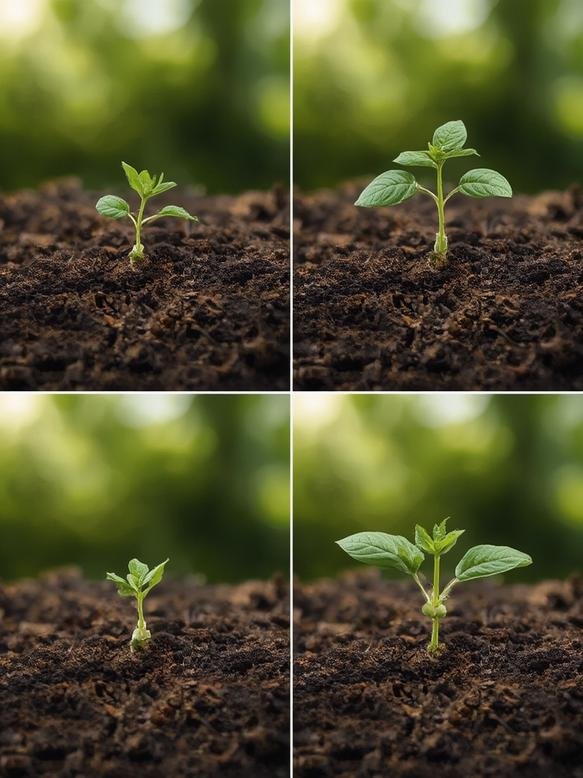
A key step in building a nature-friendly garden is choosing native plants adapted to your region. These species require less water, resist local pests, and provide essential food and shelter for pollinators like bees and butterflies. Complement them with organic mulch to retain moisture, suppress weeds, and improve soil structure. Avoid synthetic fertilizers and pesticides; opt for compost or natural pest-deterring companions like marigolds or basil.
Water conservation plays a vital role in sustainability. Collect rainwater in barrels for irrigation, and consider drip systems to minimize waste. Group plants with similar hydration needs together, prioritizing drought-tolerant varieties.
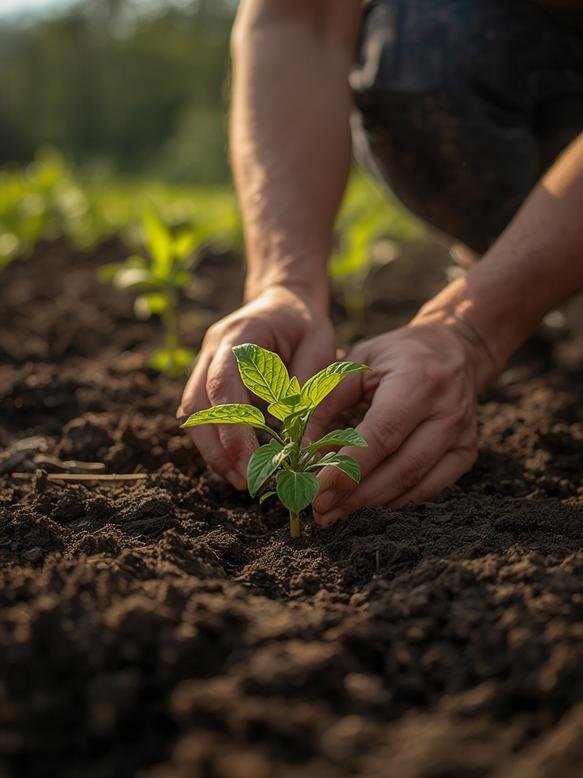
Encourage wildlife by adding features like bird baths, insect hotels, or small brush piles. Even a tiny pond can attract beneficial frogs and dragonflies. Rotate crops in edible gardens to prevent soil depletion, and embrace “messy” corners where leaves and stems decompose naturally, enriching the earth.
Your efforts to develop a sustainable garden ecosystem create a self-sufficient green space that evolves over time, requiring less upkeep and resources. Every step—from composting kitchen scraps to planting pollinator-friendly blooms—strengthens this living network. Ready to dig deeper? Explore more tips to transform your backyard into a resilient haven for nature.