

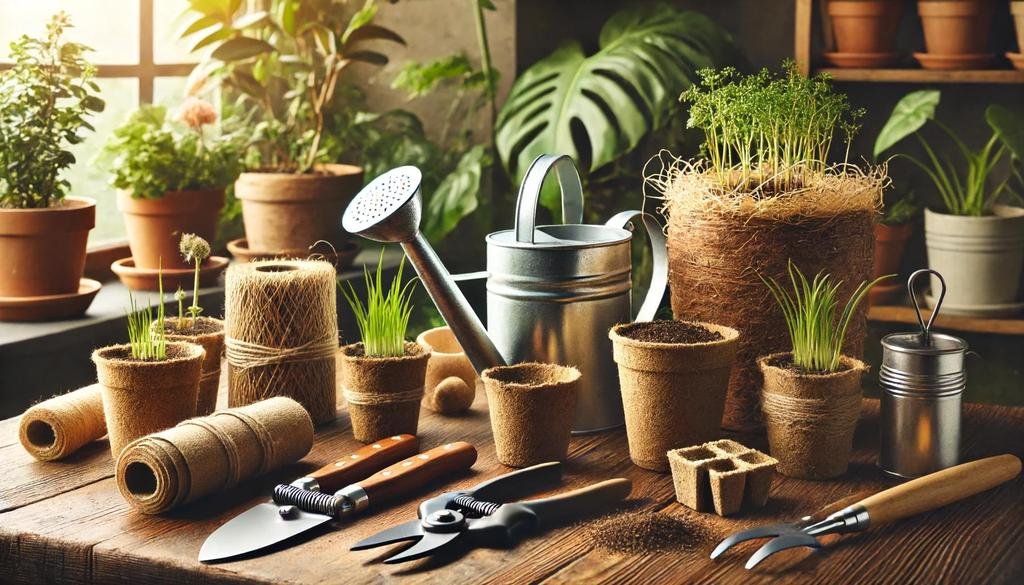
Embarking on the journey of indoor gardening opens up a world of possibilities, allowing you to cultivate fresh herbs, vegetables, and ornamental plants right within your home. Whether you're a seasoned gardener or a novice eager to start, having the right supplies is crucial for success. This comprehensive guide explores the essential indoor gardening supplies, offering insights to help your plants thrive.
Indoor gardening has surged in popularity, offering enthusiasts the opportunity to grow plants year-round, regardless of outdoor conditions. The allure lies in the ability to harvest fresh produce and enjoy the aesthetic appeal of greenery indoors. However, achieving a successful indoor garden requires more than just enthusiasm; it necessitates the right tools, knowledge, and environment.
In this article, we'll delve into the key supplies needed for indoor gardening, providing actionable tips and recommendations to set you on the path to a flourishing indoor garden.
8 Essential indoor gardening supplies
1. Grow Lights: Mimicking Natural Sunlight
Understanding Grow Lights
Plants rely on light for photosynthesis, and in indoor settings, natural sunlight can be insufficient. Grow lights are artificial light sources designed to provide the spectrum and intensity of light that plants need. They come in various types, including fluorescent, LED, and high-intensity discharge (HID) lights.
Choosing the Right Grow Light
- LED Lights: Energy-efficient and long-lasting, LED lights emit a full spectrum of light suitable for all plant growth stages.
- Fluorescent Lights: Ideal for seedlings and low-light plants, they are cost-effective and emit less heat.
- HID Lights: Provide intense light, making them suitable for larger setups but consume more energy.
Tip: Position your grow lights 6-12 inches above your plants and keep them on for 12-16 hours daily to mimic natural daylight cycles.
2. Containers and Pots: Selecting the Right Home for Your Plants
Importance of Proper Containers
Choosing the right container ensures adequate space for root development, proper drainage, and ease of maintenance.
Types of Containers
- Plastic Pots: Lightweight and retain moisture well.
- Clay Pots: Porous, allowing for better air circulation but can dry out quickly.
- Self-Watering Pots: Ideal for consistent moisture levels, reducing the risk of overwatering.
Tip: Ensure containers have drainage holes to prevent waterlogging, which can lead to root rot.
3. Soil and Growing Mediums: Foundation of Plant Health
Choosing the Right Soil
The quality of soil directly affects plant health. Indoor plants often require well-draining, nutrient-rich soil.
Recommended Growing Mediums
- Potting Mixes: Pre-mixed blends designed for container gardening.
- Coco Coir: A sustainable alternative to peat, offering excellent water retention.
- Hydroponic Media: For soilless systems, options like perlite, vermiculite, and hydroton are popular.
Tip: Avoid using garden soil indoors, as it can be too heavy and may contain pests or diseases.
4. Watering Systems: Ensuring Adequate Hydration
Importance of Proper Watering
Overwatering and underwatering are common pitfalls in indoor gardening. Implementing an efficient watering system can mitigate these issues.
Watering Options
- Manual Watering: Using watering cans with a gentle spout for controlled watering.
- Self-Watering Systems: Reservoirs that provide consistent moisture to plants.
- Hydroponic Systems: Circulating water systems that deliver nutrients directly to plant roots.
Tip: Water plants when the top inch of soil feels dry to the touch, and always water thoroughly until excess water drains out.
5. Climate Control: Maintaining Optimal Conditions
Temperature and Humidity
Indoor plants thrive in specific temperature and humidity ranges. Maintaining these conditions is vital for plant health.
Tools for Climate Control
- Thermometers and Hygrometers: Devices to monitor temperature and humidity levels.
- Humidifiers: To increase humidity in dry indoor environments.
- Fans: To promote air circulation and prevent mold growth.
Tip: Aim for a temperature range of 65-75°F (18-24°C) and humidity levels between 40-60% for most indoor plants.
6. Fertilizers and Nutrients: Feeding Your Plants
Understanding Plant Nutrition
Plants require a balance of macronutrients (nitrogen, phosphorus, potassium) and micronutrients for healthy growth.
Types of Fertilizers
- Organic Fertilizers: Derived from natural sources, promoting soil health.
- Synthetic Fertilizers: Provide nutrients in a readily available form for plants.
- Slow-Release Fertilizers: Gradually release nutrients over time, reducing the risk of over-fertilization.
Tip: Follow the manufacturer's instructions for application rates and frequency to avoid nutrient imbalances.
7. Pest Control: Protecting Your Indoor Garden
Common Indoor Pests
Indoor plants can attract pests like aphids, spider mites, and fungus gnats.
Pest Control Methods
- Natural Predators: Introducing beneficial insects like ladybugs.
- Neem Oil: A natural pesticide effective against various pests.
- Insecticidal Soaps: Safe for indoor use and effective against soft-bodied insects.
Tip: Regularly inspect plants for signs of pests and address infestations promptly to prevent spread.
8. Tools and Accessories: Enhancing Your Gardening Experience
Essential Tools
- Pruning Shears: For trimming and maintaining plant health.
- Trowels and Spades: For planting and soil maintenance.
- Measuring Cups and Spoons: For accurate fertilizer and water measurements.
Accessories
- Plant Stands: To display plants aesthetically.
- Grow Tents: Enclosed spaces that provide a controlled environment for plants.
- Humidity Trays: To increase local humidity around plants.
Tip: Investing in quality tools can make gardening tasks more efficient and enjoyable.
Conclusion
Embarking on indoor gardening is a rewarding endeavor that brings nature indoors, offering both aesthetic pleasure and the joy of homegrown produce. By equipping yourself with the right supplies and knowledge, you set the stage for a thriving indoor garden. Remember, success in indoor gardening comes from understanding your plants' needs and providing them with a conducive environment. Happy gardening!
FAQ
What are the best indoor plants for beginners?
Low-maintenance plants like snake plants, pothos, and spider plants are excellent choices for novice indoor gardeners.
How often should I water my indoor plants?
Watering frequency depends on the plant species and environmental conditions. Generally, water when the top inch of soil feels dry.
Can I use outdoor soil for indoor plants?
It's advisable to use potting mixes designed for indoor plants, as outdoor soil can be too heavy and may contain pests.