

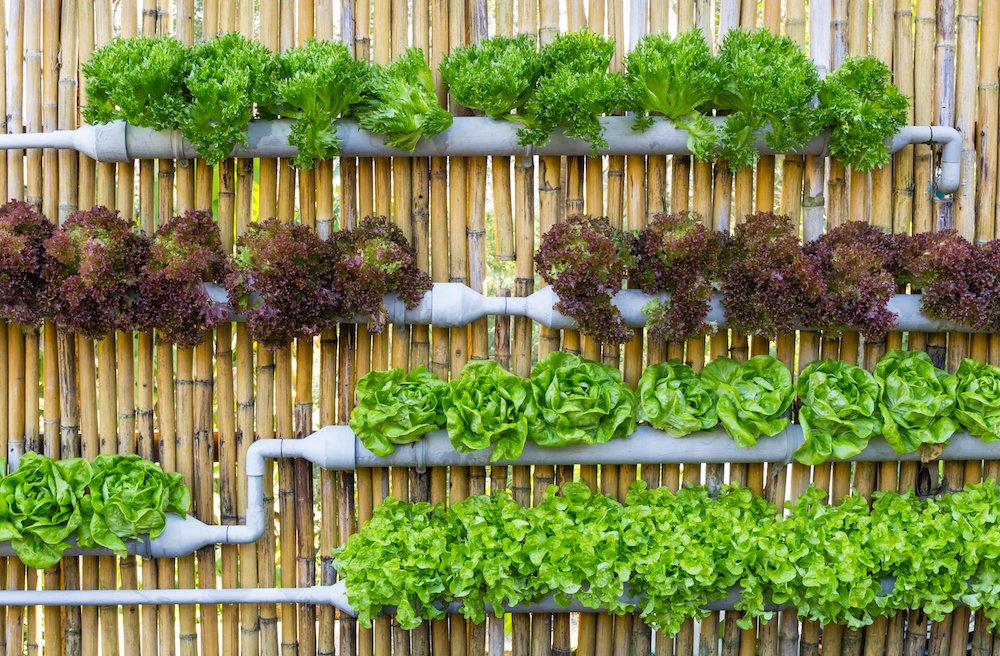
Urban gardening has emerged as a transformative practice, enabling city dwellers to cultivate their own food amidst the concrete jungle. Whether you're aiming to enhance your culinary experiences, promote sustainability, or simply enjoy the therapeutic benefits of gardening, this guide provides all the essential information to embark on your urban gardening journey.
Introduction
In today's fast-paced urban environments, the desire to reconnect with nature and access fresh, homegrown produce has led many to explore urban gardening. This practice involves cultivating plants in city settings, utilizing spaces like balconies, rooftops, and even windowsills. Urban gardening not only contributes to personal well-being but also fosters community engagement and environmental sustainability.
Benefits of Urban Gardening
Engaging in urban gardening offers a multitude of advantages:
- Access to Fresh Produce: Enjoy a steady supply of fresh fruits, vegetables, and herbs, enhancing your diet and reducing grocery expenses.
- Environmental Impact: Contribute to reducing your carbon footprint by growing your own food, which decreases reliance on store-bought goods that require transportation.
- Mental Well-being: Gardening has been shown to reduce stress and improve mental health, providing a therapeutic escape from urban life.
- Community Building: Participating in community gardens fosters social connections and strengthens neighborhood bonds.
Getting Started with Urban Gardening
Embarking on your urban gardening journey involves several key steps:
1. Assess Your Space
Evaluate the available areas in your home or community that can accommodate plants. Consider factors such as sunlight exposure, wind patterns, and accessibility.
2. Choose Suitable Plants
Select plants that thrive in urban conditions and suit your local climate. Herbs like basil and mint, leafy greens such as lettuce and spinach, and compact vegetables like tomatoes and peppers are excellent choices.
3. Select Appropriate Containers
Opt for containers that provide adequate drainage and are the right size for your chosen plants. Materials like terracotta, plastic, and fabric pots are popular options.
4. Prepare the Soil
Use high-quality potting mix enriched with organic matter to ensure optimal plant growth. Consider creating your own compost to enhance soil fertility.
5. Establish a Watering Routine
Develop a consistent watering schedule, taking into account the specific needs of your plants and the local climate. Ensure that containers have proper drainage to prevent waterlogging.
Urban Gardening Techniques
To maximize your gardening success in limited spaces, consider the following techniques:
Container Gardening
Utilizing containers allows for flexibility and mobility, enabling you to move plants to optimal locations for sunlight and protection from harsh weather.
Vertical Gardening
Implementing vertical structures like trellises, wall-mounted planters, and hanging baskets can significantly increase your growing area without occupying valuable floor space.
Raised Beds
Constructing raised beds can improve soil quality and drainage, making them ideal for urban environments where soil conditions may be suboptimal.
Hydroponics
For those interested in advanced methods, hydroponics offers a soil-free approach to growing plants, utilizing nutrient-rich water solutions. This method can be particularly effective in urban settings with limited space.
Seasonal Considerations
Understanding your local climate and seasonal changes is crucial for successful urban gardening. Utilize the USDA Plant Hardiness Zone Map to determine which plants are most likely to thrive in your area. Additionally, be aware of urban heat islands and microclimates that may affect plant growth. (myurbgarden.com)
Community Gardening
Engaging in community gardening initiatives can provide access to larger plots of land and foster social connections. Organizations like the American Community Gardening Association support such efforts, promoting community food and ornamental gardening, preservation and management of open space, urban forestry, and integrated planning and management of developing urban and rural lands. (en.wikipedia.org)
Challenges and Solutions
Urban gardeners may encounter specific challenges:
- Limited Space: Opt for compact plant varieties and vertical gardening techniques to maximize space utilization.
- Pollution: Use raised beds with clean soil and consider growing edibles in containers to minimize exposure to contaminants.
- Pests: Implement integrated pest management strategies, such as introducing beneficial insects and using organic pesticides.
Conclusion
Urban gardening offers a rewarding opportunity to reconnect with nature, promote sustainability, and enjoy fresh, homegrown produce. By assessing your space, selecting appropriate plants, and employing effective gardening techniques, you can create a thriving urban garden that enhances your quality of life.
Happy Gardening.