

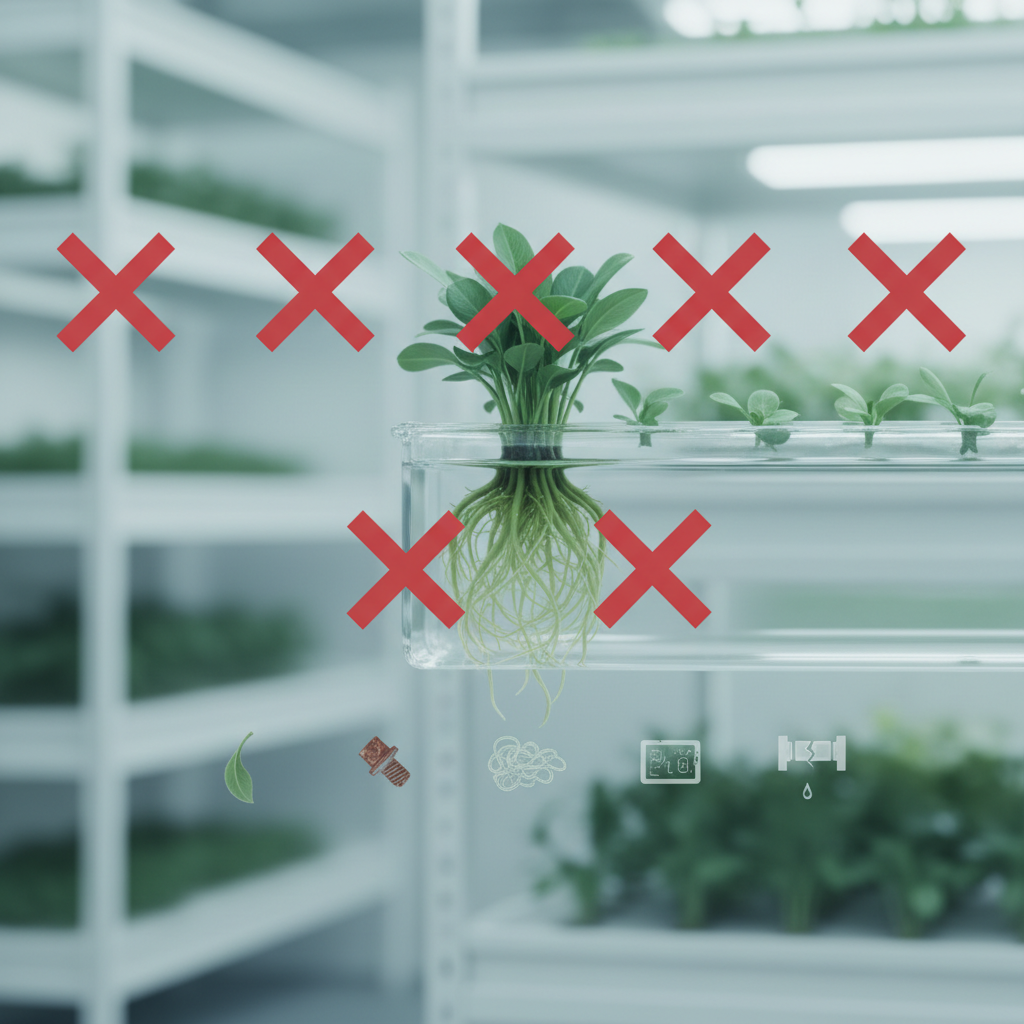
Hydroponics, the practice of growing plants without soil, has gained popularity for its potential to produce high yields in controlled environments. However, it's essential to consider the disadvantages of Hydroponics associated with this method to make informed decisions.
Introduction
Hydroponics offers a soil-free approach to cultivation, enabling efficient use of space and resources. While it presents numerous advantages, understanding its drawbacks is crucial for anyone considering this method. This article explores five significant disadvantages of hydroponics, providing insights to help you assess its suitability for your needs.
1. High Initial Setup Costs
Establishing a hydroponic system requires a substantial financial investment. Costs include purchasing specialized equipment such as grow lights, pumps, reservoirs, and environmental control systems. For large-scale operations, these expenses can be particularly daunting. According to Trees.com, the initial setup is more expensive compared to traditional gardening methods. (trees.com)
Key Points:
- Specialized Equipment: Investments in pumps, lighting, and climate control systems.
- Operational Expenses: Ongoing costs for nutrient solutions and maintenance.
- Financial Barrier: High initial costs can deter small-scale or beginner farmers.
2. Technical Expertise Required
Hydroponic farming demands a solid understanding of plant biology, nutrient management, and system operation. Growers must be skilled in balancing nutrient solutions, managing pH levels, and monitoring environmental conditions. Without proper knowledge and experience, maintaining optimal plant growth and preventing problems can be challenging. (nammachennaifarms.com)
Key Points:
- Complexity: Requires knowledge of plant nutrition and system maintenance.
- Learning Curve: Beginners may face challenges in managing the system effectively.
- Training Needs: Proper training is essential to prevent issues affecting plant health.
3. Dependence on Electricity
Many hydroponic systems rely heavily on electricity to operate components like lighting, water pumps, and aerators. Power outages can disrupt these systems, potentially harming plants if not addressed promptly. As noted by Trees.com, both passive and active hydroponic systems depend on electricity, making them vulnerable to power disruptions. (trees.com)
Key Points:
- Power Reliance: Continuous operation of system components requires a stable power supply.
- Risk of Outages: Power failures can lead to rapid plant deterioration.
- Mitigation: Backup power solutions are necessary to ensure system continuity.
4. Susceptibility to Waterborne Diseases
In hydroponic systems, plants share a common nutrient solution, which can facilitate the rapid spread of waterborne diseases. Contaminants like bacteria, fungi, or algae can proliferate, impacting plant health and reducing yields. Regular monitoring and maintenance are crucial to prevent such issues. (nammachennaifarms.com)
Key Points:
- Disease Spread: Waterborne pathogens can quickly infect the entire system.
- Maintenance: Regular cleaning and monitoring are essential to prevent contamination.
- Risk Management: Implementing preventive measures can mitigate disease risks.
5. Limited Crop Variety
Not all plants are suitable for hydroponic cultivation. Crops with large or complex root systems, such as carrots and potatoes, may not adapt well to soilless environments. Additionally, large plants like corn and pumpkins require significant support, which hydroponic systems may not provide effectively. (gardeningandcity.com)
Key Points:
- Root Constraints: Certain crops struggle without soil for root development.
- Structural Needs: Large plants may not receive adequate support in hydroponic setups.
- Crop Selection: Choosing appropriate crops is vital for system success.
Conclusion
While hydroponics offers innovative solutions for soil-free cultivation, it's essential to weigh these advantages against the potential disadvantages. High initial costs, technical demands, power dependency, disease risks, and limited crop variety are significant factors to consider. By understanding these challenges, you can make informed decisions about incorporating hydroponics into your agricultural practices.