

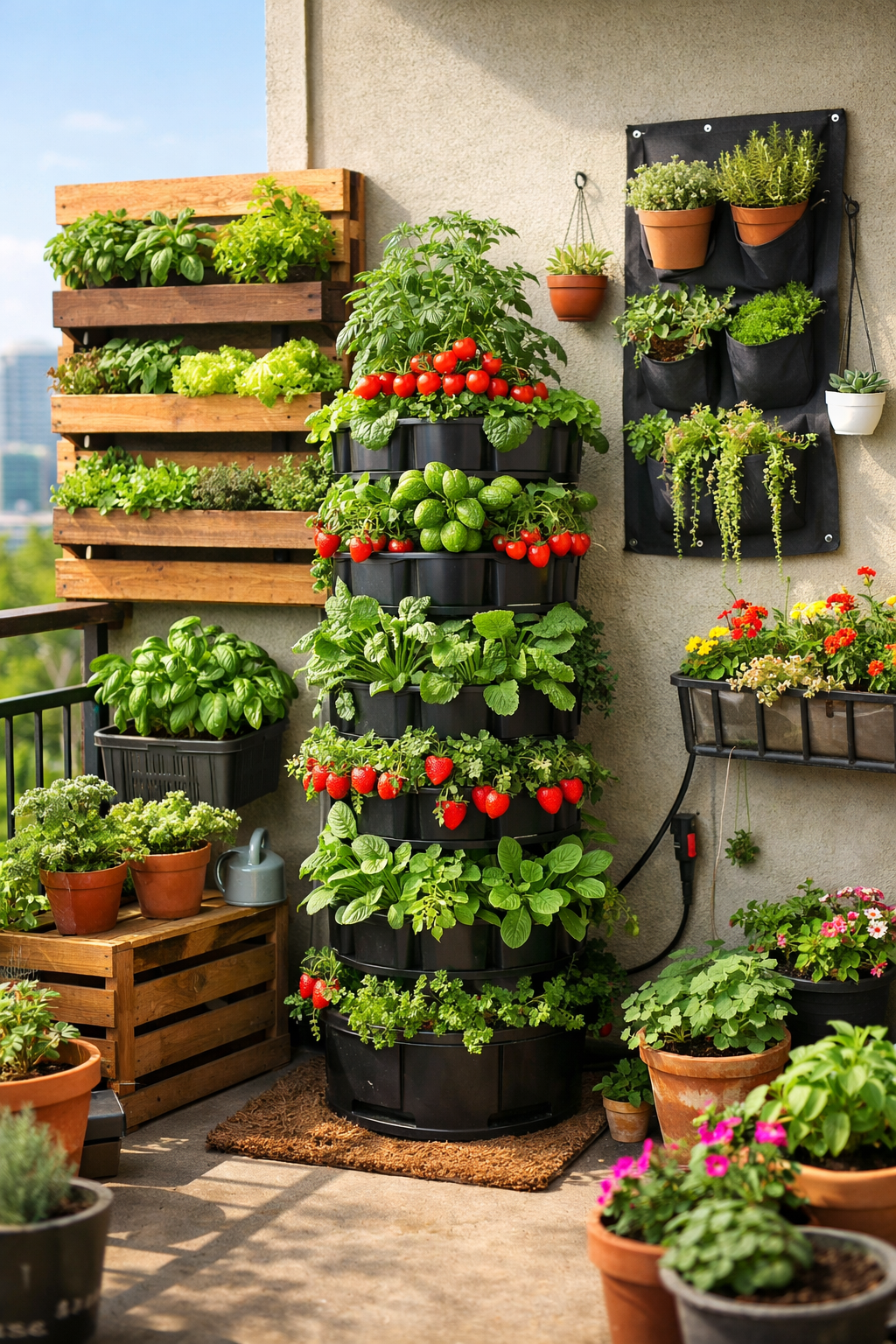
Urban homes are getting smaller—but your garden dreams don’t have to. Vertical Gardening Ideas for Small Spaces are transforming balconies, patios, rooftops, and even compact kitchens into lush green sanctuaries. By growing plants upward instead of outward, you can maximize every inch of available space while adding beauty, freshness, and functionality to your home.
With urban living spaces shrinking, vertical gardening for small spaces offers a brilliant solution to bring greenery into homes without sacrificing precious square footage. Whether you live in a high-rise apartment or a cozy townhouse, vertical setups allow you to cultivate herbs, vegetables, flowers, and decorative plants efficiently.
In this complete guide, you’ll discover practical setups, plant recommendations, maintenance tips, and creative inspiration to help you build your own thriving vertical garden.
Why Choose Vertical Gardening for Small Spaces?
Vertical gardening is ideal for urban dwellers who want greenery without clutter. Instead of spreading plants across limited floor space, you utilize walls, railings, shelves, and hanging systems.
Benefits include:
- Maximized growing area
- Improved air circulation for plants
- Easier harvesting and maintenance
- Enhanced home aesthetics
- Better organization in compact spaces
By thinking vertically, even the smallest balcony can become a productive edible garden.
Best Vertical Gardening Ideas for Small Spaces
Here are some of the most effective and space-saving setups:
1. Wall-Mounted Planters
Wall-mounted systems are perfect for herbs and small vegetables. Install lightweight containers securely on sunny walls to grow basil, parsley, mint, or thyme.
2. Stacked Containers
Stacked pots or tiered planters allow multiple layers of plants in a compact footprint. They work especially well for strawberries and leafy greens.
3. Hanging Pocket Organizers
Repurpose shoe organizers or fabric pocket systems as vertical planting walls. They’re affordable, lightweight, and ideal for renters.
4. Modular Garden Towers
Interlocking or modular vertical towers let you mix edibles with flowers. These systems are excellent for maximizing productivity while maintaining aesthetic appeal.
5. Pallet Gardens
Wooden pallets can be transformed into rustic vertical gardens. Simply attach landscape fabric and soil compartments to create planting rows.
6. Balcony Railing Planters
Use railing planters to grow trailing vines or compact vegetables. This keeps floor space clear while enhancing your outdoor view.
Choosing the Right Plants
The success of your Vertical Gardening Ideas for Small Spaces depends heavily on plant selection.
Best plants for vertical setups include:
- Herbs (basil, rosemary, thyme, cilantro)
- Leafy greens (lettuce, spinach, kale)
- Strawberries
- Cherry tomatoes
- Succulents
- Ferns
- Begonias
- Trailing vines like pothos
South-facing walls may require drought-tolerant succulents due to intense sun exposure. Shadier areas are better suited for ferns or begonias.
Always match plants to your light conditions for optimal growth.
Sunlight, Weight & Placement Considerations
Before installing your vertical garden, evaluate:
Sunlight Exposure
Track how many hours of sunlight your space receives daily. Most edible plants require at least 6 hours of direct sunlight.
Weight Capacity
Balconies and interior walls must support the combined weight of soil, containers, and water. Use lightweight materials designed for vertical gardening projects.
Drainage
Proper drainage prevents root rot. Choose containers with drainage holes and protect indoor surfaces with trays or liners.
Local garden centers often carry materials specifically designed for compact vertical systems.
Watering & Maintenance Tips
Vertical arrangements dry out faster than traditional gardens because they are more exposed to air and sunlight.
Here’s how to maintain them efficiently:
- Install drip irrigation systems for consistent watering.
- Use self-watering planters to reduce maintenance.
- Check soil moisture daily during hot weather.
- Fertilize regularly since nutrients wash out faster.
- Prune plants to prevent overcrowding.
For busy urban gardeners, automated watering systems are a worthwhile investment.
Seasonal Rotation for Maximum Productivity
To get the most from your Vertical Gardening Ideas for Small Spaces, rotate crops seasonally.
- Grow cool-weather lettuce and spinach in spring.
- Replace them with cherry tomatoes and peppers in summer.
- Switch to hardy herbs in fall.
- Indoors, maintain year-round herb production.
Rotating plants ensures continuous harvests and keeps your vertical garden productive throughout the year.
Creative DIY Vertical Garden Ideas
Embrace creativity when designing your vertical garden:
- Use removable adhesive hooks for renter-friendly installations.
- Create hanging mason jar herb gardens in kitchens.
- Install ladder shelves for multi-level plant displays.
- Combine flowers and vegetables to attract pollinators.
- Paint pallets for decorative flair.
Start small with a few pots to learn your space’s microclimate before scaling up. Experimentation helps you discover what thrives in your unique environment.
Conclusion
Vertical gardening for small spaces proves that horticultural abundance doesn’t require a sprawling backyard. By growing upward instead of outward, you can transform even the tiniest balcony or wall into a productive and visually stunning oasis.
With the right plant choices, smart watering systems, and creative setups, your compact home can flourish with herbs, vegetables, and ornamental greenery all year long. Whether you’re a beginner or an experienced gardener, these Vertical Gardening Ideas for Small Spaces empower you to cultivate beauty and nourishment anywhere life plants you.
Start small, observe your space, and let your garden grow skyward.
FAQ
1. What are the best plants for vertical gardening in small spaces?
Herbs, leafy greens, strawberries, cherry tomatoes, succulents, and trailing vines perform exceptionally well in vertical systems.
2. How often should I water a vertical garden?
Vertical gardens dry out faster, so check soil moisture daily. Self-watering systems or drip irrigation can simplify care.
3. Can renters create vertical gardens?
Absolutely. Use removable hooks, lightweight containers, and fabric pocket organizers to avoid permanent wall damage.
4. Does vertical gardening require special soil?
Use high-quality, well-draining potting mix designed for container gardening to prevent compaction and root issues.
5. Is vertical gardening suitable for indoors?
Yes. Kitchens, living rooms, and sunny windows can host vertical herb gardens or decorative plant walls with proper lighting.